Île de Ré — Returning to the Same Light, Thirty Years Later
Salt marshes, wildlife and Atlantic light seen through a photographer’s eyes, more than thirty years after my first visit
More than thirty years later
More than thirty years had passed since I last set foot on Île de Ré.
Thirty years is long enough to expect a place to have changed completely — long enough for memory itself to become unreliable, reducing a landscape to a handful of sensations: white villages, salt in the air, low horizons, bicycles, wind, the Atlantic and a particular quality of light.
And yet, when I returned this September 2026, my strongest impression was almost the opposite. Of course the island has evolved, as every place does. But beneath the inevitable changes, something essential felt remarkably intact. The horizon still seemed unusually wide. The salt marshes still caught the sky in fragments. The ocean still dictated its own rhythm.
And the light — the element I remembered least precisely, but perhaps most deeply — was still exceptional.
What had changed most was me. I was returning not simply as a visitor, but with decades more life behind me and with the eye I have developed through photography.
The island had not suddenly become more beautiful. I had become more attentive to what was already there.
Returning with a different eye
Fine Art photography has gradually changed the way I move through a place. I no longer feel the same need to collect landmarks or prove that I have been somewhere. I am increasingly interested in what makes me stop: a line, a reflection, a relationship between colours, an unexpected gesture, the instant when an ordinary subject briefly separates itself from the background.
Thirty years ago, I could have crossed the same marshes and remembered the landscape. Today, I might spend twenty minutes beside a single channel of water because the evening sky is turning its surface from blue to silver while the vegetation moves through rust, red and purple.
Photography has made my world both larger and smaller. It has taught me to look farther and closer — and, perhaps most importantly, to look longer.
That difference matters to me because it is also the difference between travelling to collect places and travelling to encounter them. On this return, I was not interested in producing a checklist of Île de Ré landmarks. I wanted to understand why certain scenes held me and others did not, and to allow the island to reveal its own rhythm rather than impose one on it. Some days that meant returning to the same marsh several times, watching how a place that seemed almost flat at noon could become layered and mysterious a few hours later. The photographs grew from that repetition: not from seeing more places, but from seeing the same places more deeply.
Phare des Baleines — a temporary alignment of architecture, sun and Atlantic light.
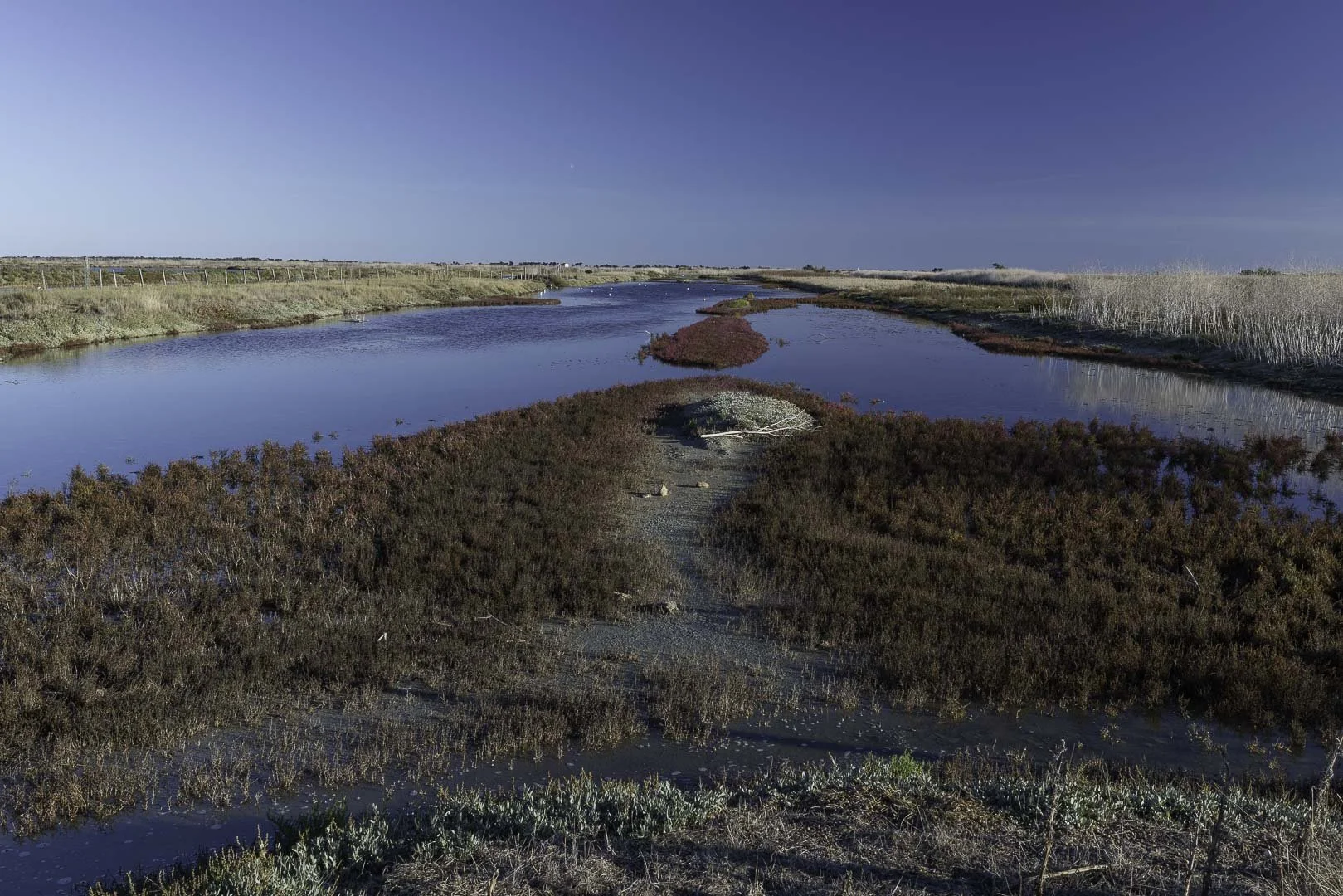
The marshes at evening — water, colour and vegetation moving towards abstraction.
Contact:
josephb.photography1@gmail.com
Then the world became smaller
Macro photography reversed the scale without changing the underlying question. A few centimetres of petal, wing, shell or stem can contain as much visual complexity as a landscape. Working close taught me to pay attention to edges, repetition, translucence and the smallest shifts in light.
The distinction between a 'grand' subject and a 'small' one began to feel increasingly arbitrary. What matters is not size, but whether something makes me stop and look longer.
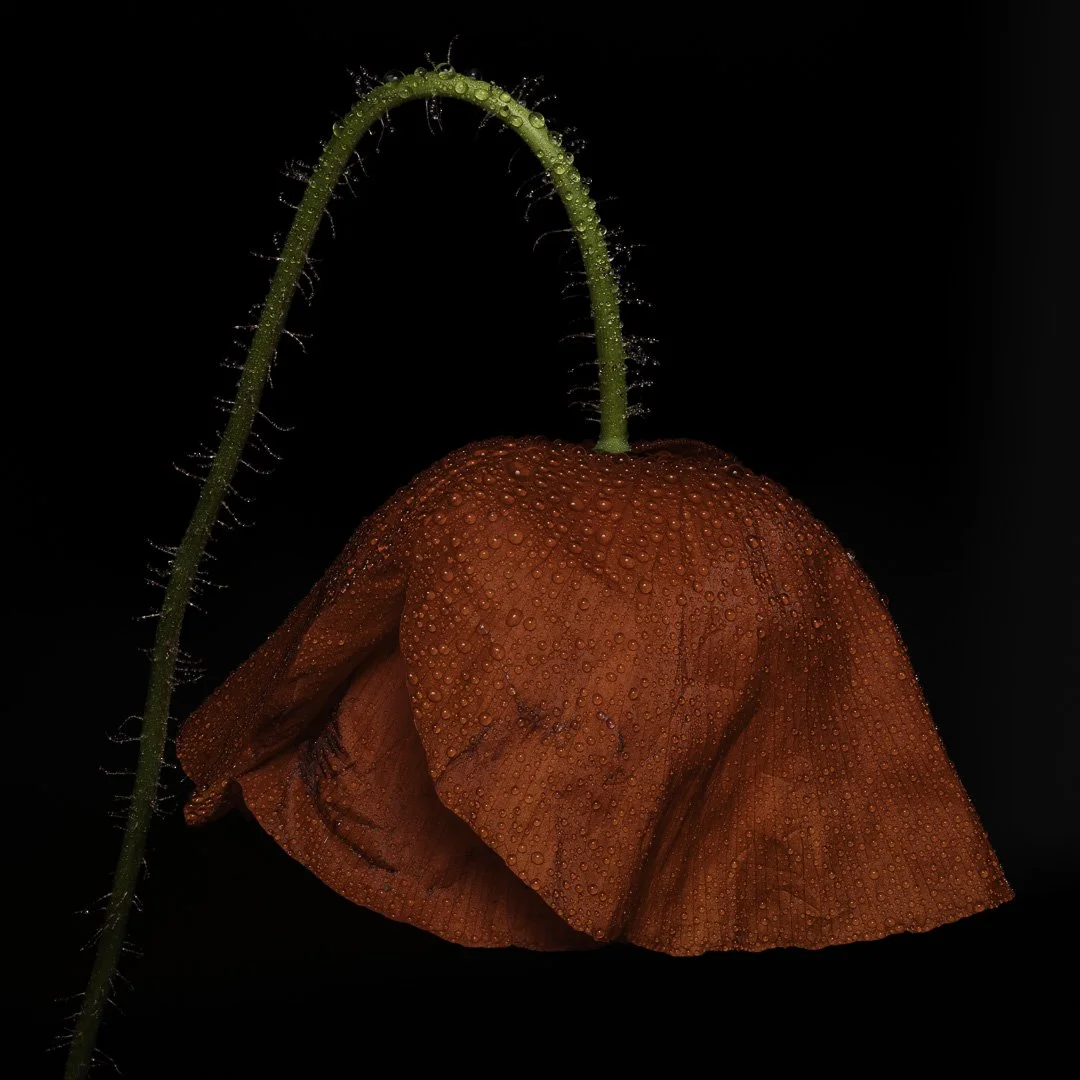
Matter, light and time
That way of seeing now connects much of my Fine Art work. In landscapes, I often move away from description towards texture, colour and natural geometry. In wildlife, I look for quiet presence and the relationship between an animal and its environment. In macro, I am drawn to structures that are usually passed without notice.
The three collections — Earth as Matter, Fragile Lives and The Invisible Life — are different in subject, but they come from the same instinct: to give attention to what is easily overlooked.
And then, the sky
Astrophotography extended the same curiosity in the opposite direction. After concentrating on a subject only millimetres across, standing beneath the Milky Way or photographing an eclipse creates an extraordinary shift in scale. Yet the process remains familiar: prepare carefully, wait, observe light, accept uncertainty.
From the smallest detail to the night sky, photography keeps returning me to the same place: attention.
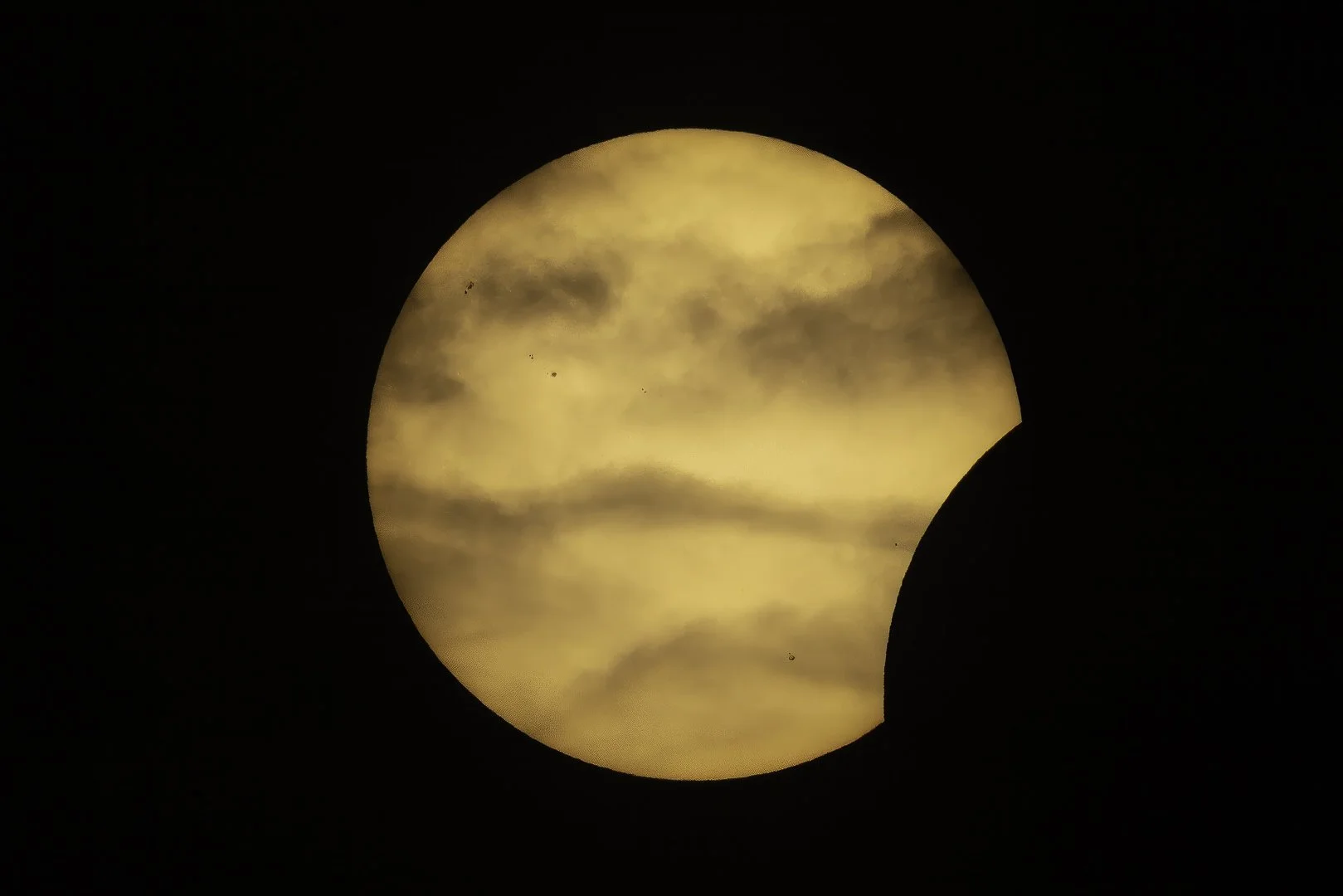
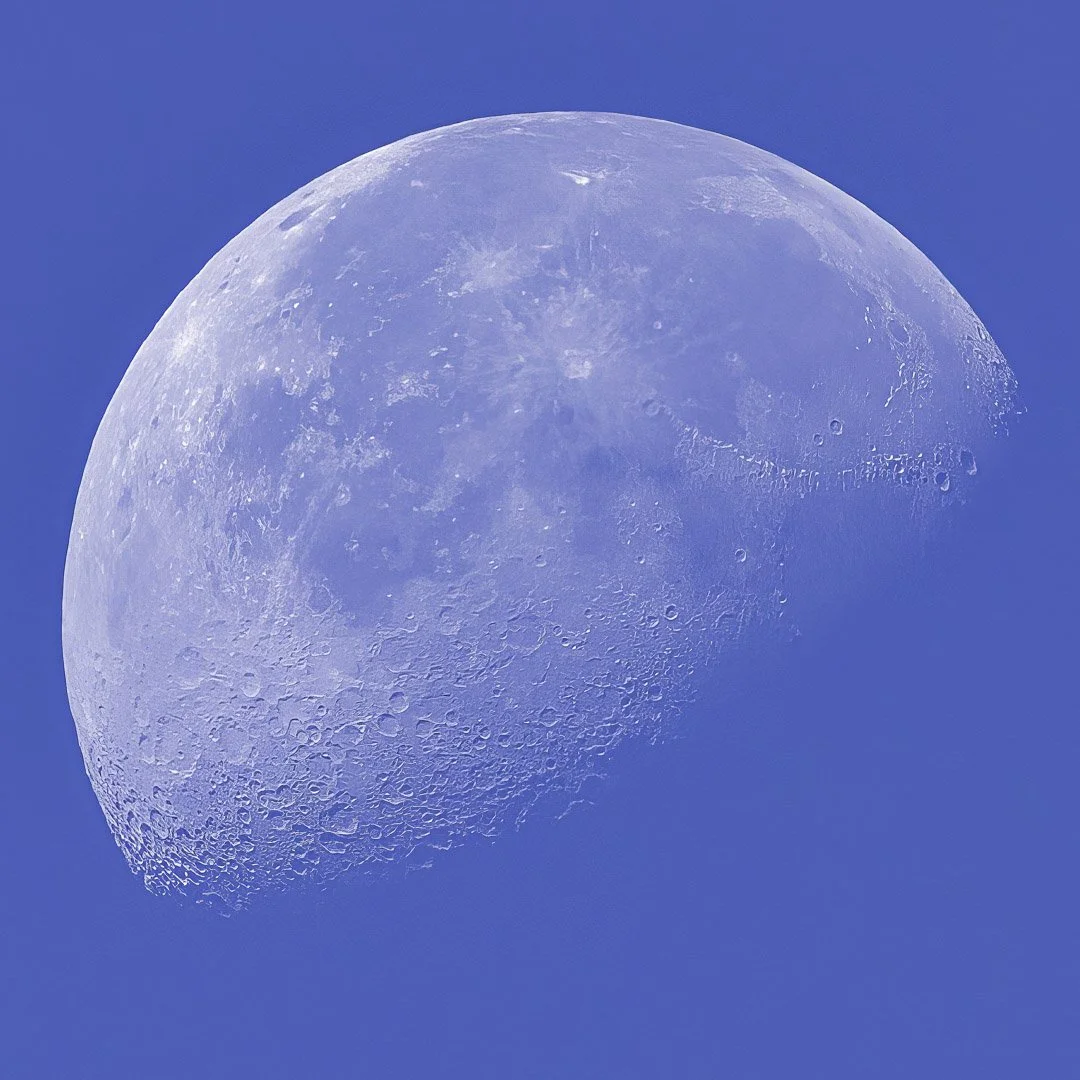
The scale changes. The reason I photograph does not.
After decades with a camera, I am less interested in collecting photographs than in making images that can hold attention beyond the instant in which they were made.
A photograph is not meant to be taken in at a glance. For me, its value begins when it asks us to remain with it — long enough to notice the life, matter or light it holds.
Explore the Fine Art Collections
Explore the Albums by theme - Wildlife, macro photography, landscapes, astrophotography and other visual explorations.
Explore the Albums by place - Photographic journeys across Europe, Asia, Africa, the Americas and Oceania.