Why Limited Edition Photography Matters
Understanding edition numbers, authenticity, artistic commitment and what collectors should know before acquiring a Fine Art photograph.
More Than a Number
In a world where digital images can be copied and shared almost endlessly, a limited edition photograph represents a different kind of commitment.
The image itself may exist as a digital file, but the Fine Art prints created from it belong to a clearly defined edition. The photographer agrees to produce no more than the authorised number of prints, according to the terms established for that artwork.
For collectors, this distinction matters.
A limited edition is not simply a number printed on a certificate. It is a promise about how a photograph will exist as a physical artwork.
And like any meaningful promise, its value depends on clarity, consistency and trust.
Contact:
contact@josephBphotography.com
What Does Limited Edition Photography Mean?
A limited edition establishes the maximum number of authorised Fine Art prints that can be produced from a photograph.
Unlike an open edition, which has no predetermined production limit, a limited edition has a defined quantity.
However, the words limited edition do not tell the whole story.
A collector should also understand how that limit applies. Does it cover every available size? Are different presentations counted separately? How are the prints numbered and documented?
These details are important because the integrity of an edition depends on its precise terms.
For my Fine Art photographs, each format is limited to 15 signed and numbered prints, across all available finishes, with an overall maximum of 30 prints per photograph.
Choosing a different presentation — such as a framed print or a Fine Art paper print mounted on Dibond — does not create an additional edition within the same format.
The limits are established in advance and form part of my commitment to collectors.
Understanding Edition Numbers
A numbered Fine Art print identifies an artwork's place within a defined edition.
For example, a print marked 3/15 indicates that it is numbered three within an edition limited to fifteen authorised prints.
The number does not represent a ranking of artistic quality. The first print is not necessarily more beautiful or more meaningful than the tenth.
What matters is that each numbered print belongs to a finite edition whose terms are respected.
In photography, where the original digital file remains available to the artist, that commitment is particularly significant.
The edition exists because the photographer chooses to establish and honour a limit.
The Role of the Signature and Certificate of Authenticity
A Fine Art photograph is more than the image it reproduces. It is also a physical object, created using specific materials and accompanied by information about its origin.
A signature establishes a direct connection between the artist and the print.
Edition numbering identifies its place within the authorised production.
A certificate of authenticity provides documentation supporting the artwork's identity and edition details.
Together, these elements help establish provenance — the documented history and origin of an artwork.
They also give collectors information worth preserving.
Keeping the certificate and purchase documentation with the photograph can be useful if the artwork is later transferred, inherited or resold.
A certificate does not make a photograph artistically valuable by itself. Its purpose is to document the authenticity of the work and the commitments associated with it.
Does a Limited Edition Make a Photograph More Valuable?
A limited edition creates a defined limit on supply. It does not guarantee that an artwork will increase in financial value.
This distinction is essential.
The future market value of a photograph may depend on many factors, including the artist's career, the significance of the work, its condition, its provenance and the interest of future collectors.
Rarity alone cannot determine any of these things.
I believe a Fine Art photograph should first be chosen because it creates a personal connection.
Perhaps it recalls a landscape you have experienced, reveals an unfamiliar detail of nature or captures a moment of wildlife that stays with you.
That connection is not something an edition number can measure.
The limited edition adds a clear framework around the artwork. It should never replace the emotional and aesthetic reasons for acquiring it.
Why the Photographer's Commitment Matters
For me, limiting an edition is an artistic decision as much as a practical one.
It means accepting that a photograph will have a finite existence as an authorised Fine Art print, even if there is continued interest in the image.
It also means maintaining accurate records, applying the same rules consistently and respecting the commitment made to every collector.
This is particularly important in photography.
Unlike a painting, which generally exists as a single physical original, a photograph can be printed more than once. The artist therefore has a responsibility to explain what is being offered and how the edition is controlled.
Trust is not created by scarcity alone. It is created by keeping the promise behind it.
What Should You Check Before Buying a Limited Edition Photograph?
Before acquiring a limited edition Fine Art print, take a moment to understand the artwork and its presentation.
Consider the edition size, the available formats and how the edition limit applies to them.
Check whether the print is signed and numbered, what authenticity documentation accompanies it and which materials are used.
Presentation also matters.
A photograph printed on Fine Art paper and presented in a wooden frame will have a different physical presence from the same photograph mounted on Dibond. Neither choice changes the artistic content of the image, but each creates a different relationship with the space around it.
These questions should be answered clearly before a purchase.
A collector should never have to rely on vague promises of exclusivity.
From My Collections to Your Space
My three Fine Art collections offer different ways of exploring the natural world.
Earth as Matter focuses on the forms, colours and textures of our planet, revealing the extraordinary visual richness of geological structures, water and natural surfaces.
Fragile Lives celebrates wildlife through photographs that reflect the presence, behaviour and vulnerability of animals within their environments.
The Invisible Life invites a closer look at the smaller forms of nature, revealing details and structures that often remain unnoticed.
Although their subjects differ, these collections share the same intention: to encourage a deeper appreciation of the natural world through photography.
A Fine Art print allows that connection to extend beyond the screen, becoming a lasting presence in the space where you live or work.
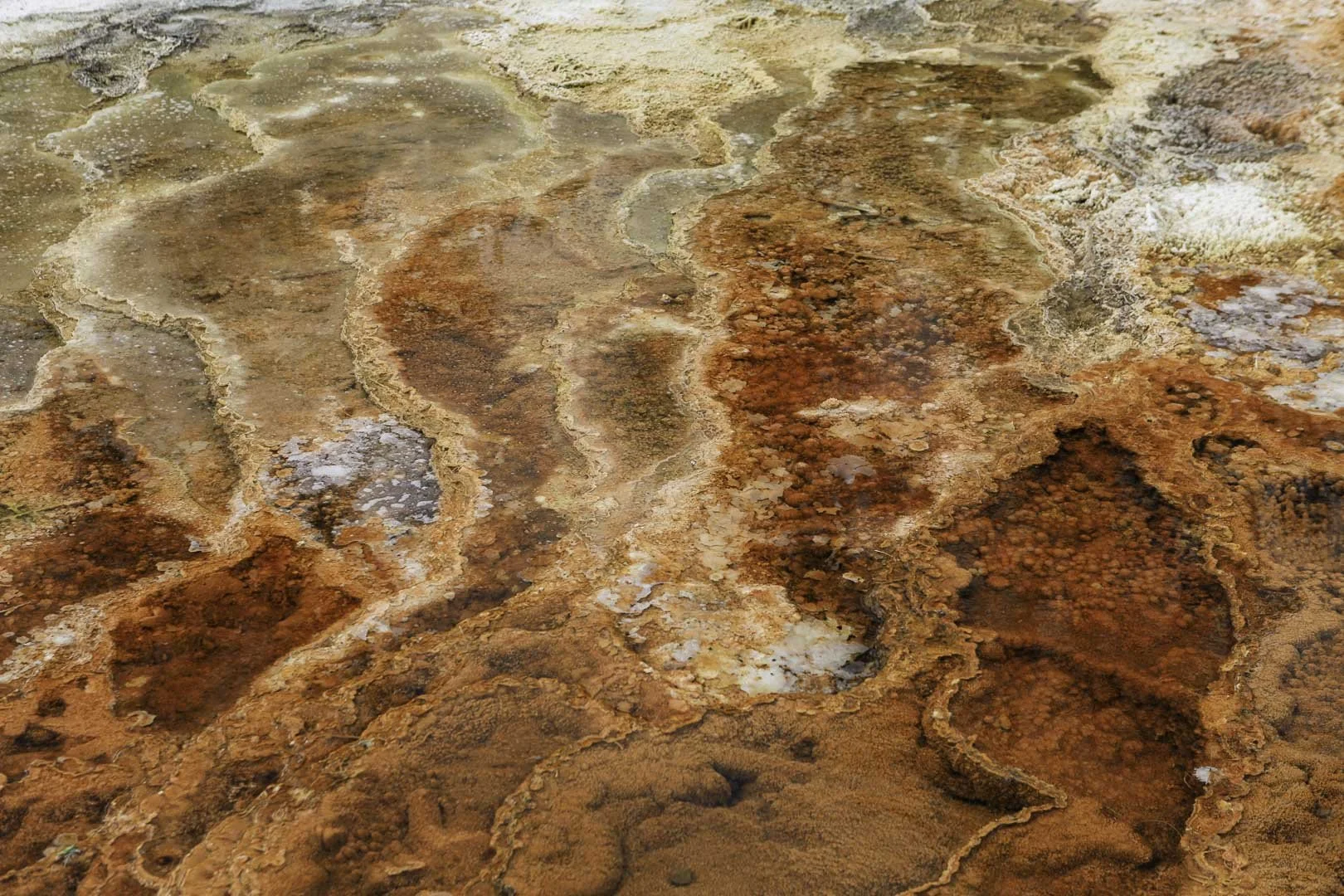
Earth as Matter
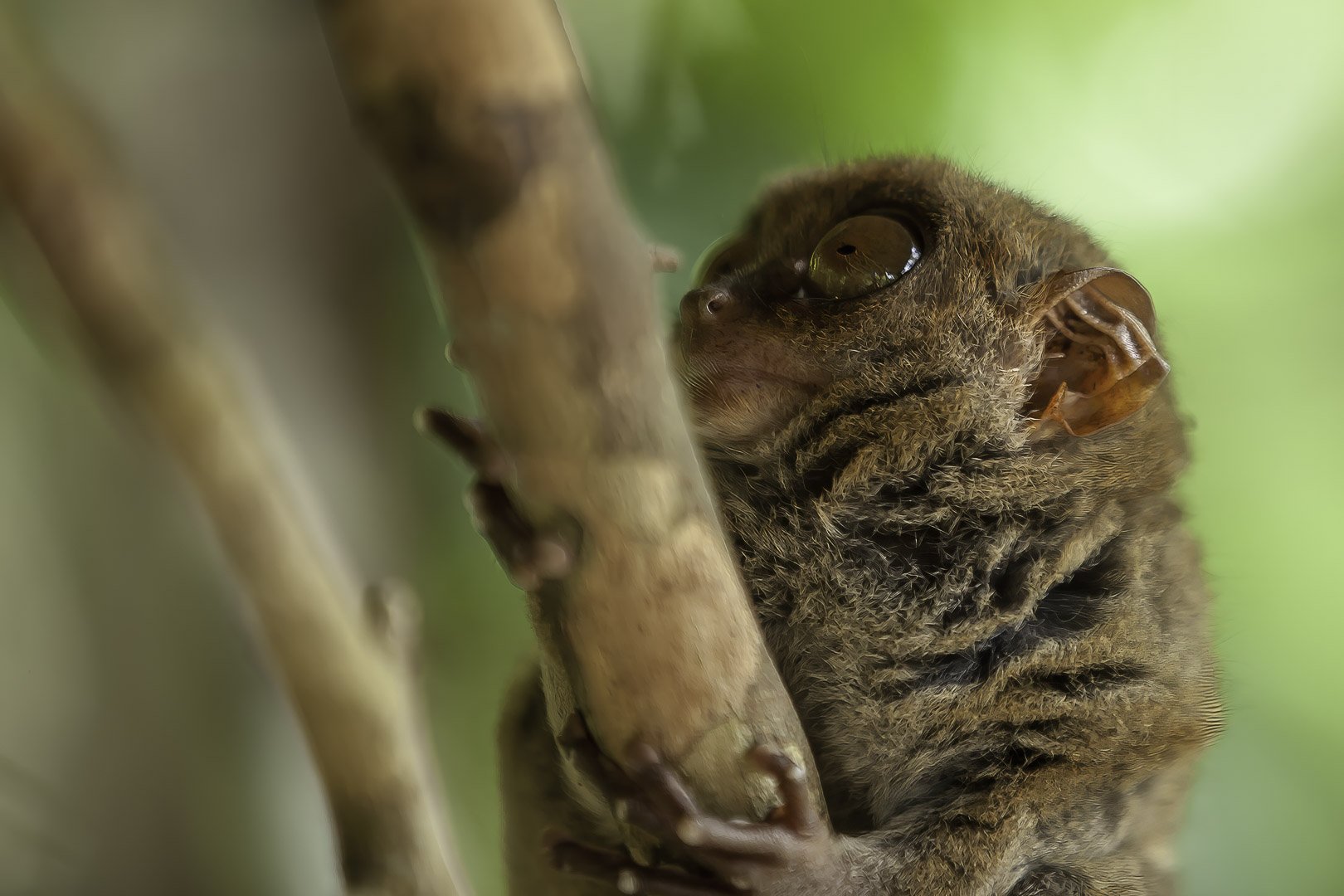
Fragile Lives
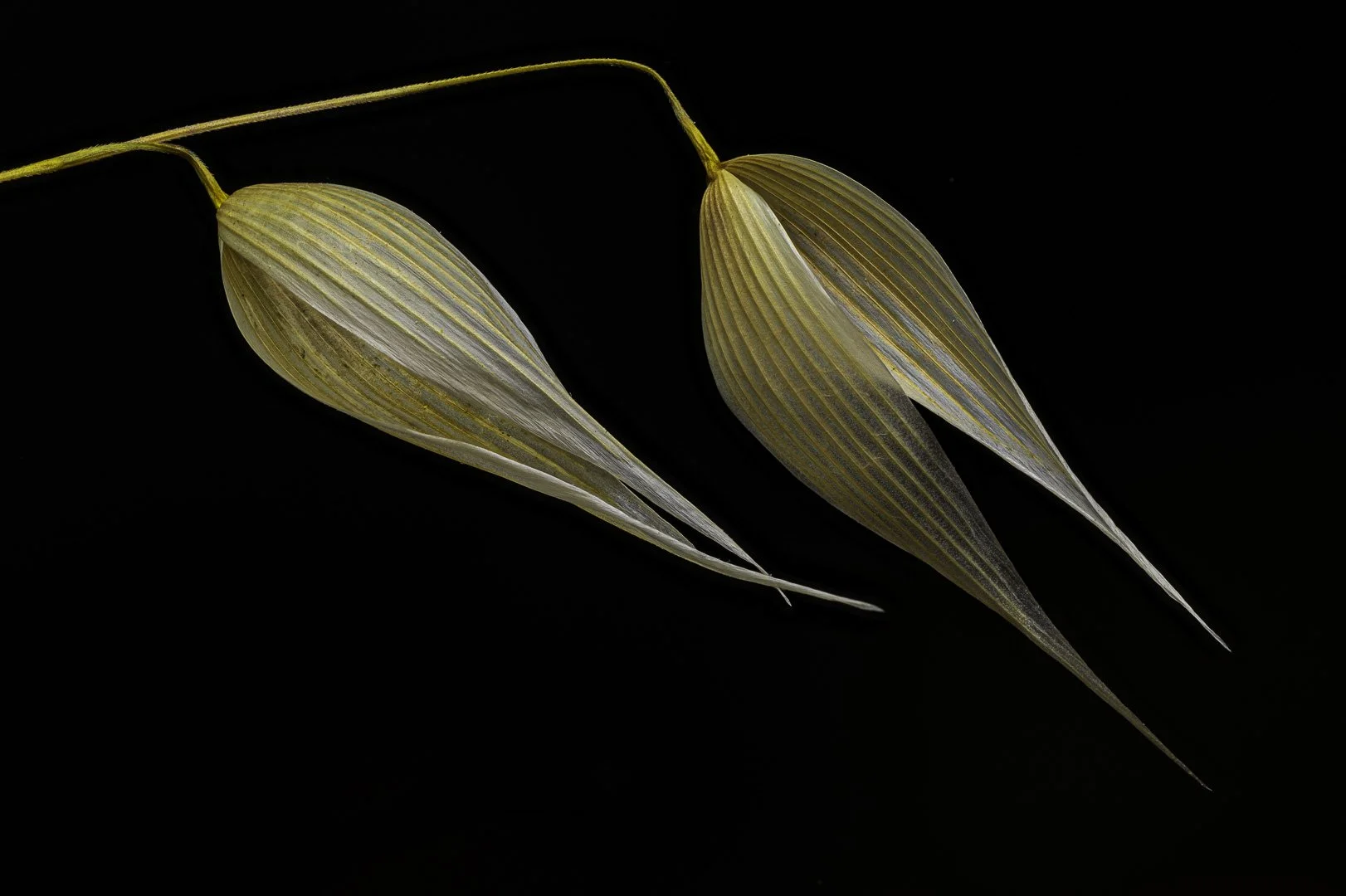
The Invisible Life
Collecting a Photograph That Matters to You
Acquiring a limited edition photograph is ultimately a personal decision.
Edition numbers, signatures and certificates help establish authenticity and transparency. They explain the conditions under which an artwork has been produced.
But they cannot tell you which photograph will continue to move you years from now.
That choice belongs to you.
For me, the purpose of a limited edition is not to turn photography into a promise of financial return.
It is to offer a carefully produced artwork within a clearly defined and respected commitment — allowing the image, rather than the language of scarcity, to remain at the centre of the experience.
Explore the Fine Art Collections
Explore the Albums by theme - Wildlife, macro photography, landscapes, astrophotography and other visual explorations.
Explore the Albums by place - Photographic journeys across Europe, Asia, Africa, the Americas and Oceania.