What Is a Fine Art Photography Print? Materials, Editions and Authenticity
What collectors should know about fine art paper, pigment inks, presentation, limited editions and the difference between a digital image and a physical artwork.
More Than an Image on Paper
A photograph on a screen is made of light, while a Fine Art print has a physical presence shaped by its materials, dimensions and presentation. The texture of the paper influences how we perceive subtle tones, and the size of the artwork changes our relationship with the image.
For me, creating a Fine Art print is not simply about reproducing a photograph. It is about giving an image the form in which I want it to be experienced, allowing its atmosphere, details and emotions to become part of a physical space.
The term Fine Art print does not have a single universal legal definition. It generally refers to a photographic work produced with artistic intent, carefully controlled printing and selected materials. Understanding those choices helps collectors appreciate what distinguishes a photographic artwork from an ordinary reproduction.
What Makes a Fine Art Photography Print Different?
A decorative poster can be visually appealing, but a Fine Art photographic print involves particular attention to tonal balance, colour accuracy, paper quality and presentation.
Each of these elements contributes to the final result. The richness of a dark background, the delicacy of a highlight or the subtle variations within a natural texture can change significantly depending on how the photograph is printed.
A signature or a high price does not, by itself, guarantee quality. What matters is the photographer's artistic intention, the care taken in producing the print and the clarity of the information provided about its materials and authenticity.
Contact:
contact@josephBphotography.com
Paper and Pigment Inks: Why Materials Matter
My Fine Art photographs are printed on Epson Fine Art Cotton Smooth Natural, a 100% cotton paper chosen for its refined surface and its ability to reproduce delicate tonal transitions without an overly glossy appearance.
I particularly appreciate how this paper respects the subtlety of natural light, whether in the soft textures of a landscape, the details of an animal's fur or the intricate structures revealed through macro photography.
The prints are produced using archival pigment inks, selected for their colour stability when combined with suitable paper and appropriate display conditions.
However, archival quality should not be understood as a promise of permanence. Like any artwork, a photographic print benefits from careful handling and protection against direct sunlight, excessive humidity and unsuitable framing materials.
From Digital File to Physical Artwork
Preparing a photograph for printing requires a different approach from displaying it on a screen. A backlit monitor can reveal details in shadows that may appear too dark on paper, while delicate highlights and colour transitions need particular attention.
The intended print size also influences the way an image is perceived. A composition that works beautifully on a small screen may reveal an entirely different character when printed at a larger scale.
My objective is never to exaggerate colours or contrast simply to create a stronger immediate impression. I want the finished print to remain faithful to the atmosphere and visual relationships that inspired me when I made the photograph.
This transition from digital image to physical artwork is one of the most rewarding aspects of Fine Art photography.
Framed Fine Art Print or Dibond?
The presentation of a photograph influences how it interacts with the surrounding space, and I offer two approaches with different visual characteristics.
A framed Fine Art print creates a clear separation between the artwork and the wall. My framing options include a solid wood Hamburg-style frame, a natural white mat and a choice of clear or anti-reflective museum glass. This presentation can bring warmth and elegance while allowing the photograph to become a distinct object within the room.
The Dibond presentation offers a more contemporary appearance. In this case, the Fine Art paper print is mounted onto a rigid aluminium composite panel, producing a clean, flat finish without a conventional frame or glazing.
Importantly, this is not a photograph printed directly onto aluminium. The image remains a Fine Art paper print; Dibond provides the support and presentation.
Neither option is inherently superior. The choice depends on the photograph itself, the atmosphere of the room and the way you wish to experience the artwork.
What Does a Limited Edition Add?
A limited edition represents a commitment by the photographer to produce no more than a clearly defined number of authorised prints.
For my Fine Art photographs, each format is limited to 15 signed and numbered prints, across all available finishes, with an overall maximum of 30 prints per photograph. This means that choosing a different presentation does not create an additional edition within the same format.
Each artwork is accompanied by documentation confirming its authenticity and place within the edition.
For me, limiting an edition is not about suggesting that a photograph will necessarily increase in financial value. It is about establishing a transparent relationship with collectors and respecting the commitment made when an artwork is acquired.
How to Choose Your First Fine Art Print
The first consideration should always be your connection with the photograph. Does it evoke a memory, create an atmosphere or reveal something you enjoy discovering each time you look at it?
Once you have found an image that speaks to you, consider its dimensions and where it will be displayed. A large print can establish a strong visual presence, while a smaller artwork may encourage a more intimate relationship with its details.
The choice of framing or Dibond, the surrounding light and the available wall space will also influence the final result.
Above all, I believe a Fine Art photograph should be something you enjoy living with, rather than simply an object chosen to complete a room.
From My Collections to Your Space
My three Fine Art collections offer different ways of exploring the natural world.
Earth as Matter focuses on the forms, colours and textures of our planet, revealing the extraordinary visual richness of geological structures, water and natural surfaces.
Fragile Lives celebrates wildlife through photographs that reflect the presence, behaviour and vulnerability of animals within their environments.
The Invisible Life invites a closer look at the smaller forms of nature, revealing details and structures that often remain unnoticed.
Although their subjects differ, these collections share the same intention: to encourage a deeper appreciation of the natural world through photography.
A Fine Art print allows that connection to extend beyond the screen, becoming a lasting presence in the space where you live or work.
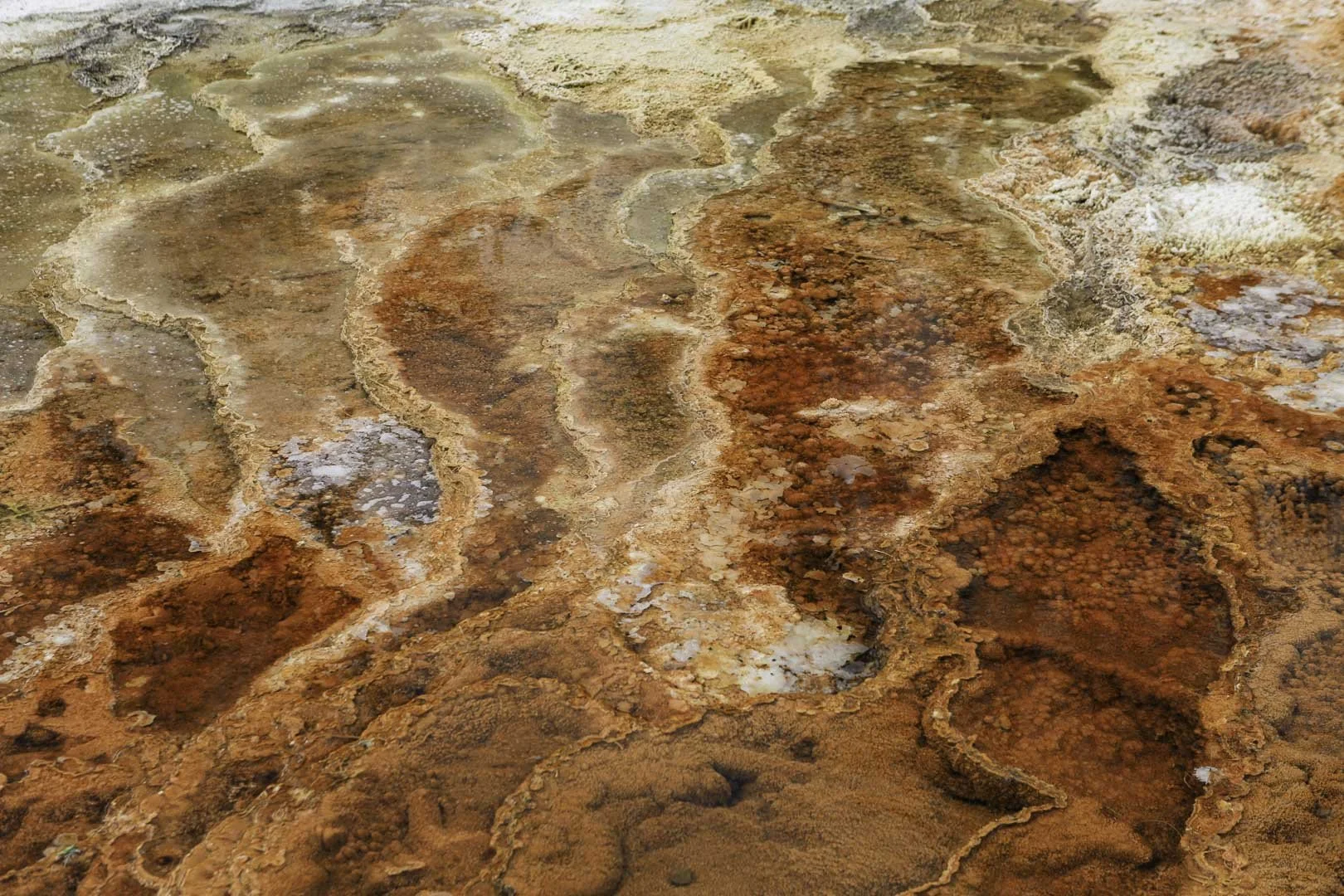
Earth as Matter
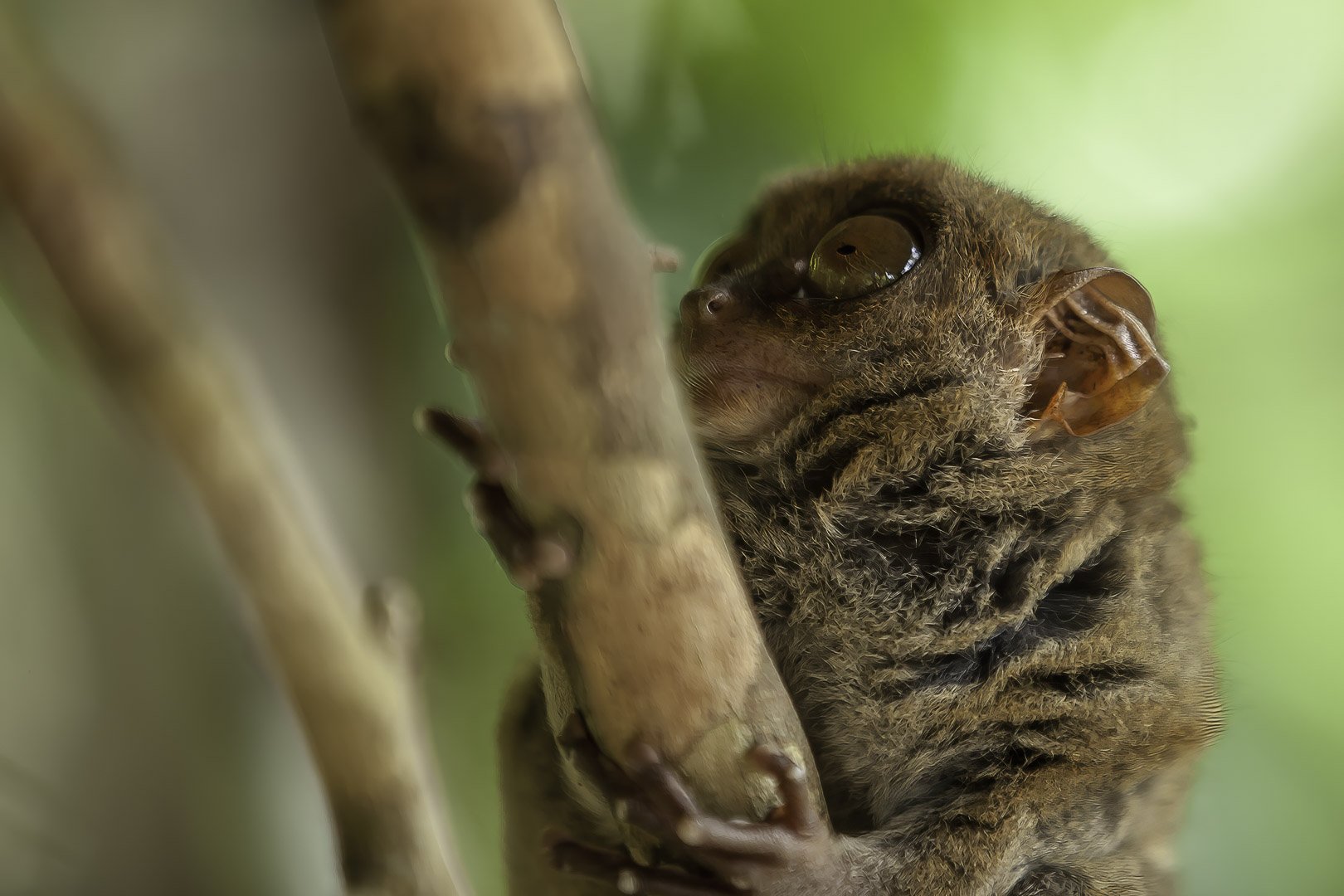
Fragile Lives
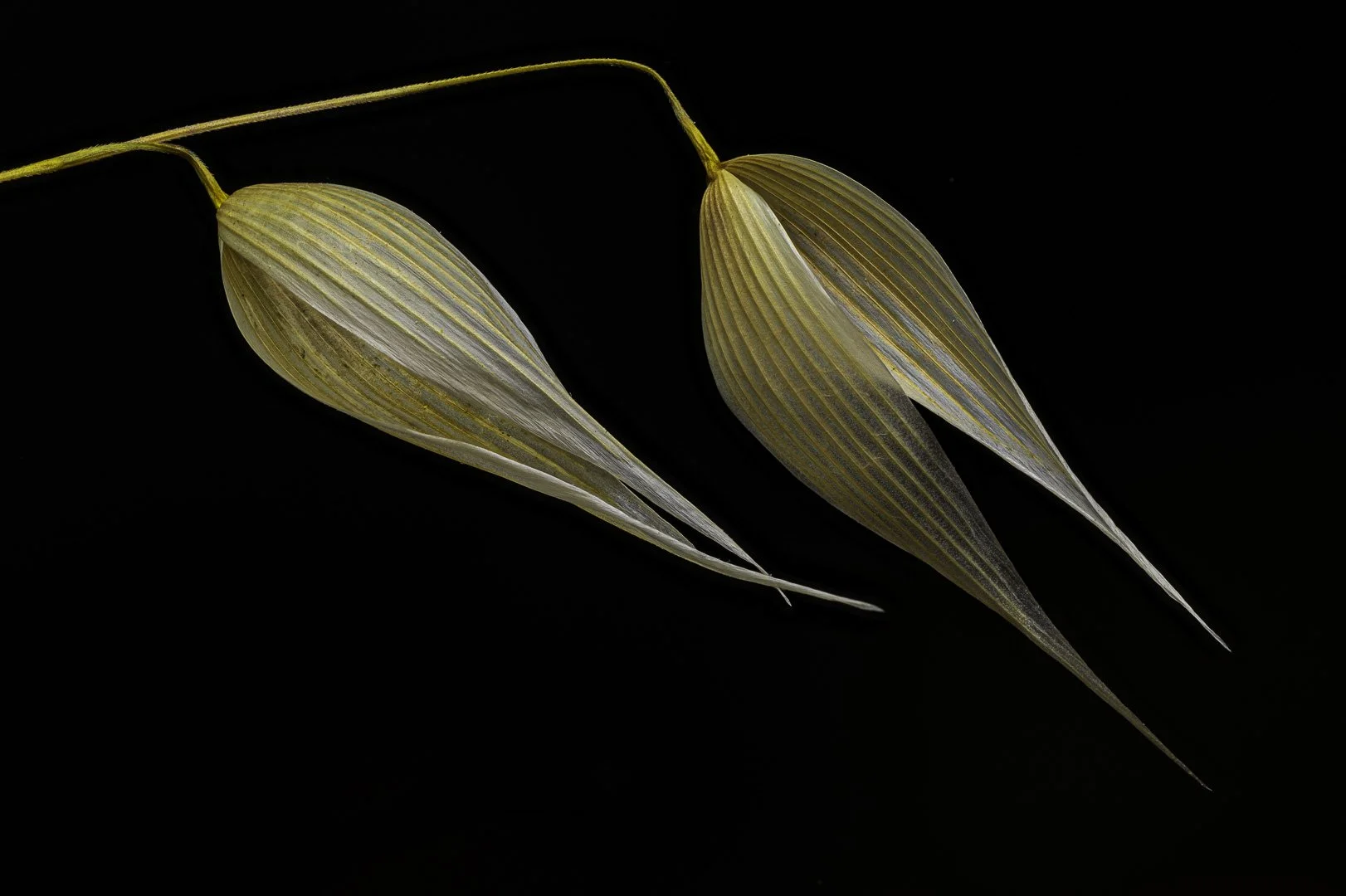
The Invisible Life
Explore the Fine Art Collections
Explore the Albums by theme - Wildlife, macro photography, landscapes, astrophotography and other visual explorations.
Explore the Albums by place - Photographic journeys across Europe, Asia, Africa, the Americas and Oceania.