My Journey Through Rajasthan:
Colors, Light & Sacred Heritage
India never reveals itself all at once.
It unfolds — in layers of color, sound, ritual, and emotion — and Rajasthan is one of the places where these layers meet most dramatically.
This trip was not just travel.
It was an overwhelming encounter with culture, spirituality, architecture, and daily life.
As a photographer, I came searching for light and stories. Rajasthan offered both in ways I could never have imagined.
Before traveling here, I thought I understood color.
I didn’t.
Rajasthan showed me what color means when it becomes part of life itself — dyed in cloth, painted on walls, reflected in marble, carried in people’s eyes, and scattered across every street like confetti from centuries of culture.
Contact:
josephb.photography1@gmail.com
At a Glance: My Rajasthan Photography Journey
Focus: Architecture, portraits, daily life, sacred places, textures, and landscapes
Style: Authentic, emotional, detail-driven — letting scenes unfold naturally
Conditions: Fog, harsh sun, golden hour, night photography, street movement
What inspired me: People, rituals, colors, light, and the extraordinary architecture
Goal of this post: Share my journey, the emotions behind each place, and the photographs that shaped the experience
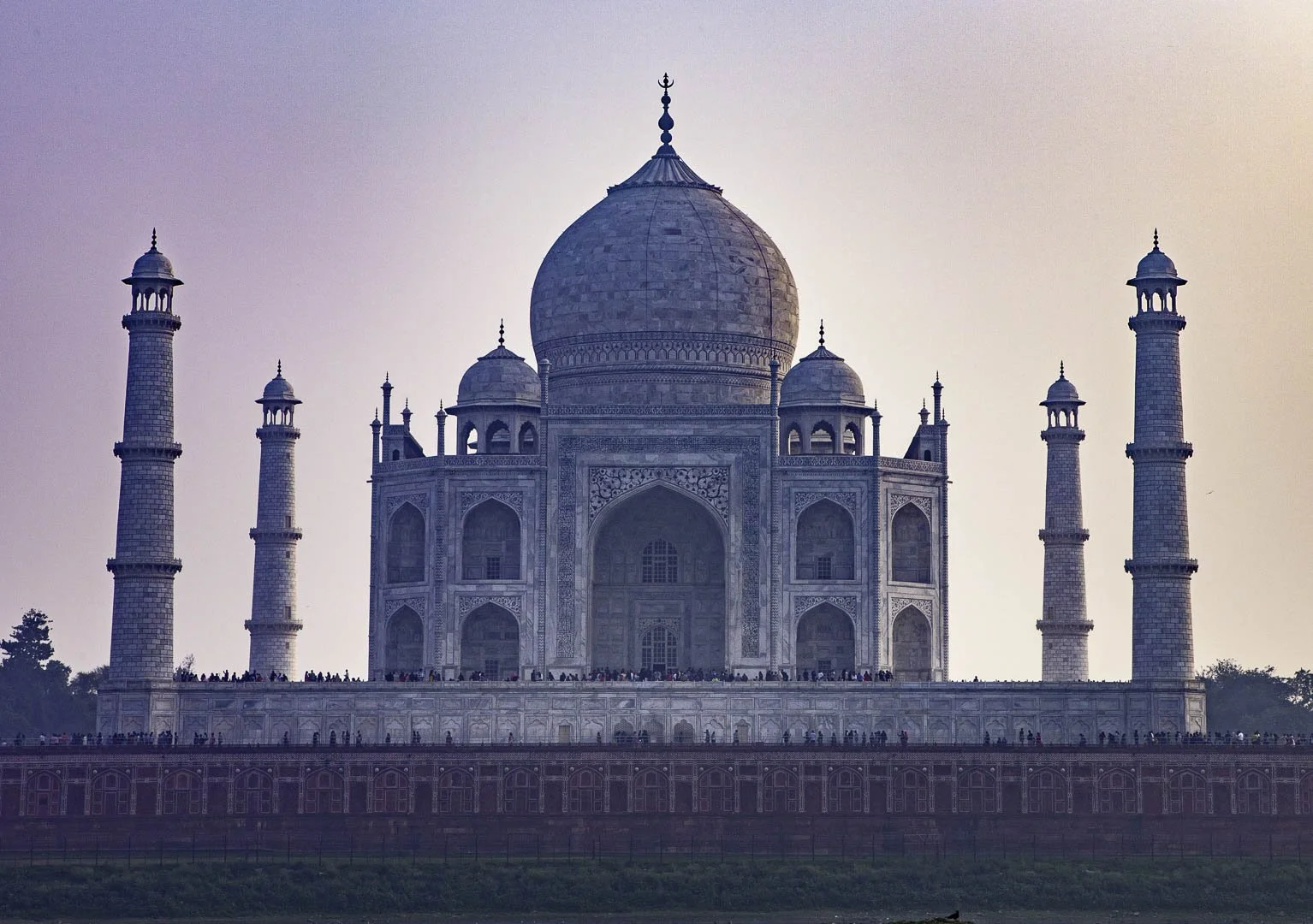
Agra – The Taj Mahal in Winter Fog
My journey began in Agra on a crisp winter morning. The Taj Mahal was shrouded in soft fog, transforming its iconic dome and minarets into fleeting silhouettes. Each glimpse through the mist felt like watching a dream materialize and dissolve before my eyes.
Walking through the gardens, I noticed how the fog softened the marble’s edges, turning intricate details into subtle textures. The usual crowds seemed distant and subdued, allowing the monument to reveal a quieter, almost meditative side.
For a photographer, fog is both a challenge and a gift. Traditional compositions fell apart, but new opportunities emerged — soft reflections, muted contrasts, and shadows that seemed to float. I slowed my pace, letting the scene dictate the frame rather than forcing it.
Photography here became an exercise in patience, observation, and humility.
The Taj Mahal in fog revealed not just its architecture, but the emotion and mystery that make it timeless.
Fatehpur Sikri – Red Stone and Midday Sun
From fog to fire.
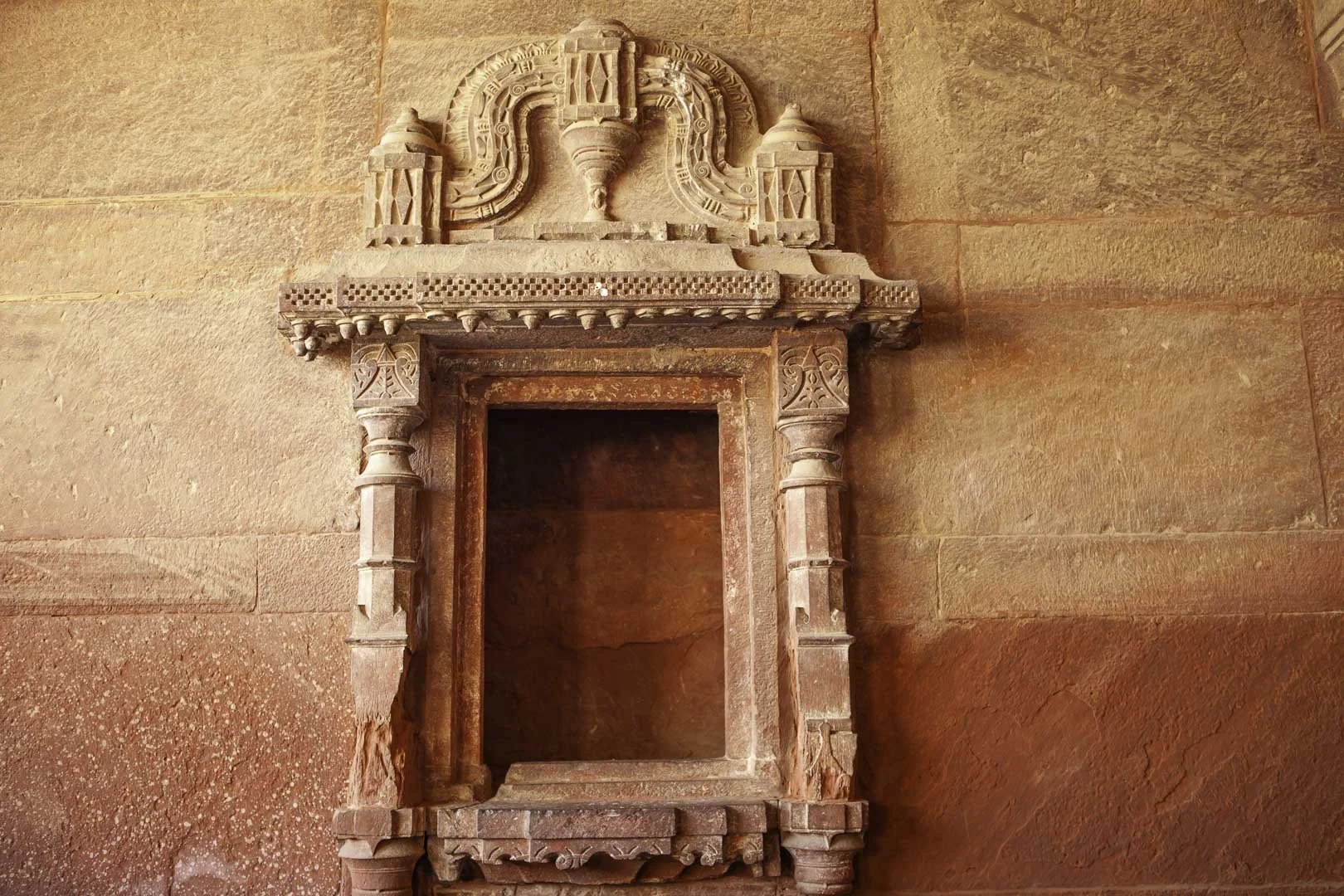
From the misty calm of Agra, Fatehpur Sikri greeted me with a blaze of deep red sandstone glowing under the harsh midday sun. Columns, arches, and expansive courtyards seemed carved from light itself, monumental yet alive with history.
Every angle revealed intricate geometry, and the interplay of sun and shadow created endless opportunities for photography. Walking through the courtyards, I felt connected to centuries of Mughal artisans, their vision frozen in stone yet vibrant in the warmth of sunlight.
Here, photography was about observation, patience, and embracing the bold contrasts of color and light. Each shadow, every arch, became a story waiting to be told.
Jaipur – Amber Fort & the Cultural Heartbeat
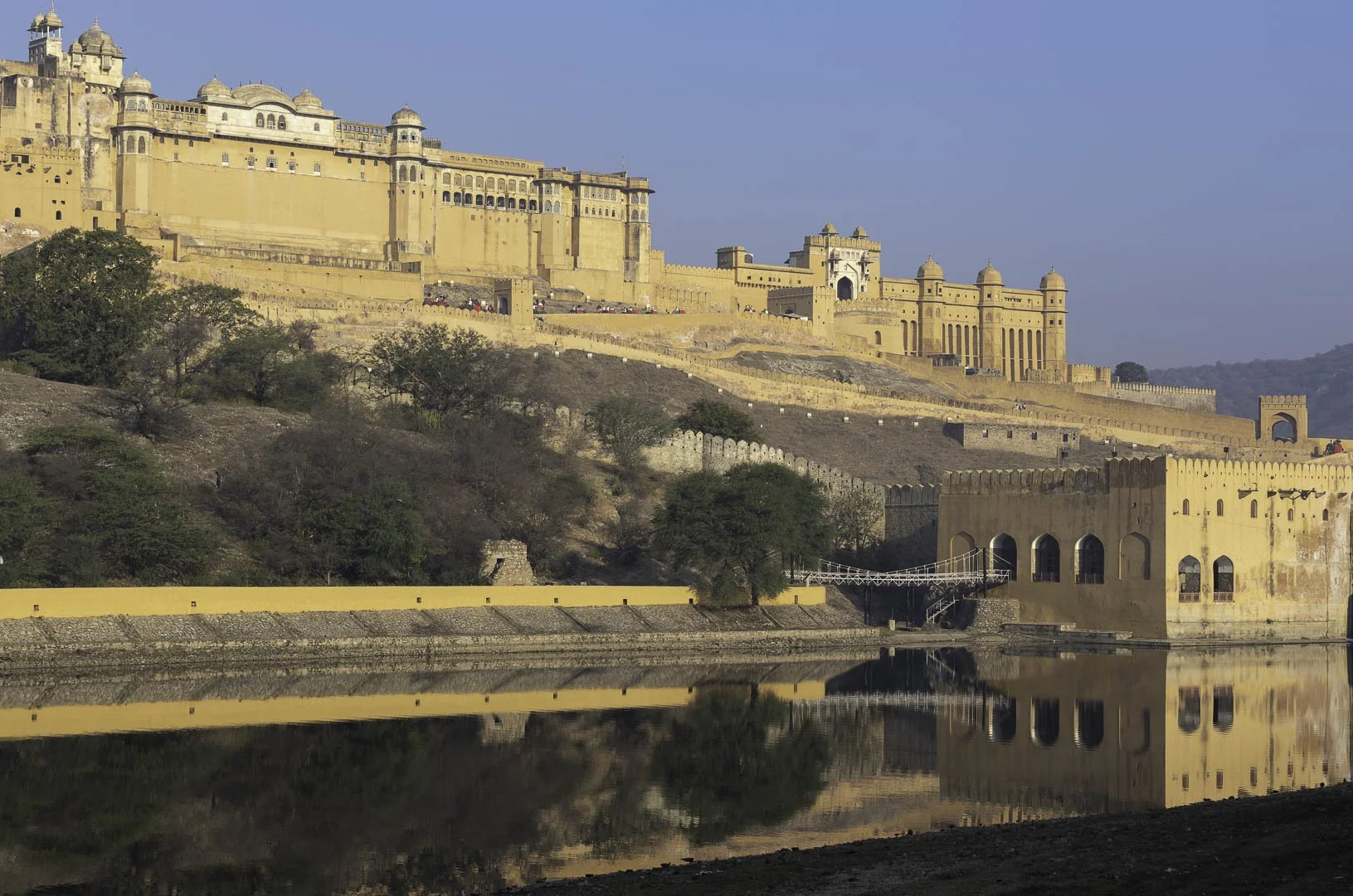
Amber Fort was a revelation. The ascent up the hill, accompanied by the soft rhythm of elephant steps, led me to a palace that glowed golden in the late afternoon light. Inside, mirrored halls reflected centuries of history, while ornate courtyards whispered stories of royalty, devotion, and artistry.
Stepping outside, Jaipur’s vibrant life was palpable. Colors, music, movement, and warmth surrounded every frame. Photography became a meditation: capturing architecture, light, and the human presence intertwined seamlessly. The city felt alive, its rhythm inseparable from the fort, reminding me that architecture and culture breathe together.
Amber Fort reminded me that culture isn’t static — it moves, breathes, and invites interaction. Every photograph here became a dialogue between past and present, structure and life. The experience taught me to look beyond the obvious and find emotion in every corner.
Whether capturing shadows along sandstone walls or the smiles of passersby, every image held a story waiting to be told.
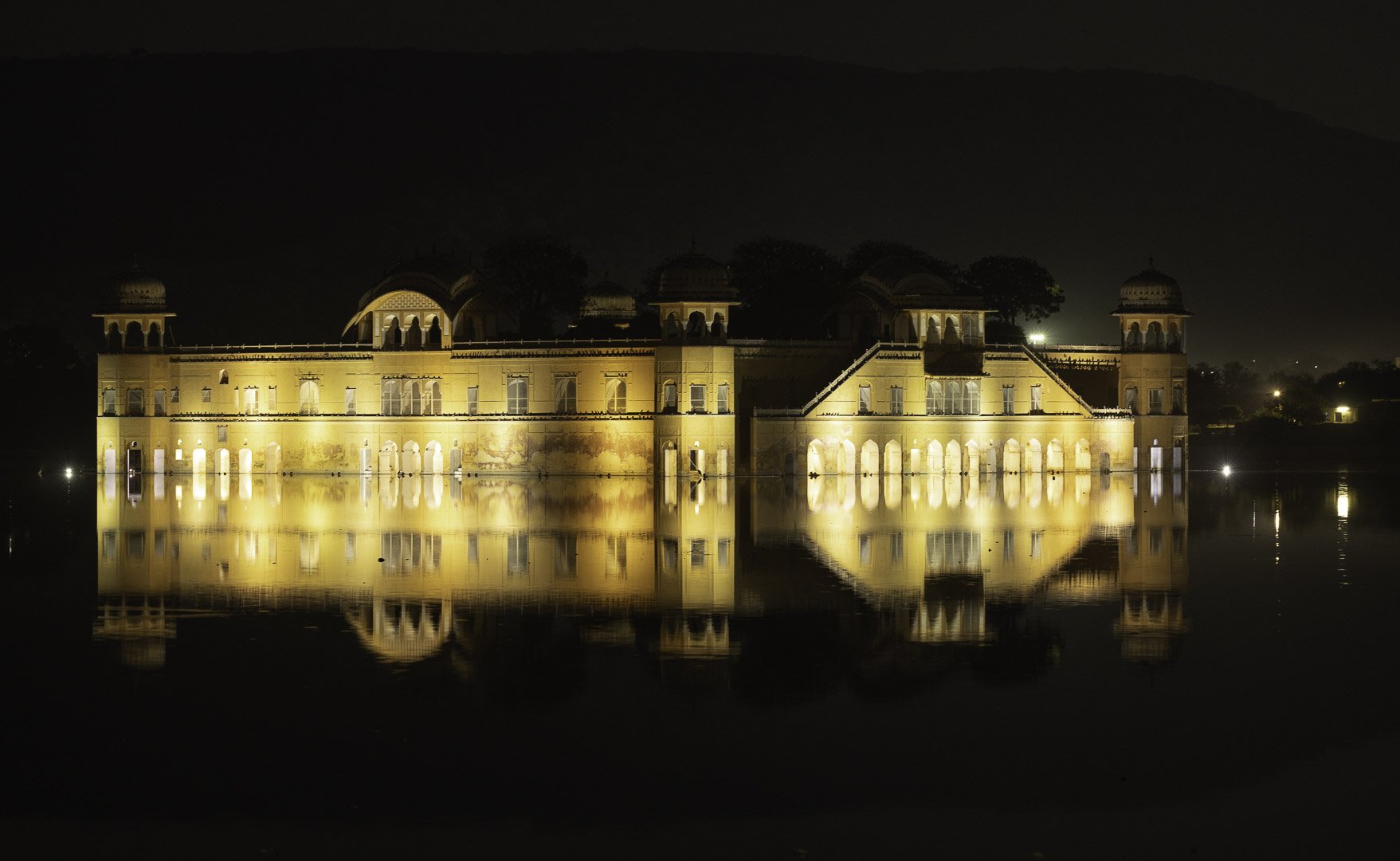
Jal Mahal by Night – A Miracle of Light
Jal Mahal at night is a scene of pure serenity. Floating on the calm water, the palace is bathed in golden light, its reflection perfectly mirrored on the still surface. The quiet ripples, distant sounds of the city, and gentle breeze created a moment that felt suspended in time.
Night photography here demanded patience. Every shift in light or movement of water changed the mood entirely. Capturing Jal Mahal’s stillness was not about technical perfection, but about feeling and translating the atmosphere into a photograph.
The palace seemed almost ethereal, as if it existed somewhere between reality and a dream.
Reflections shimmered with subtle movement, offering endless possibilities for framing and composition.
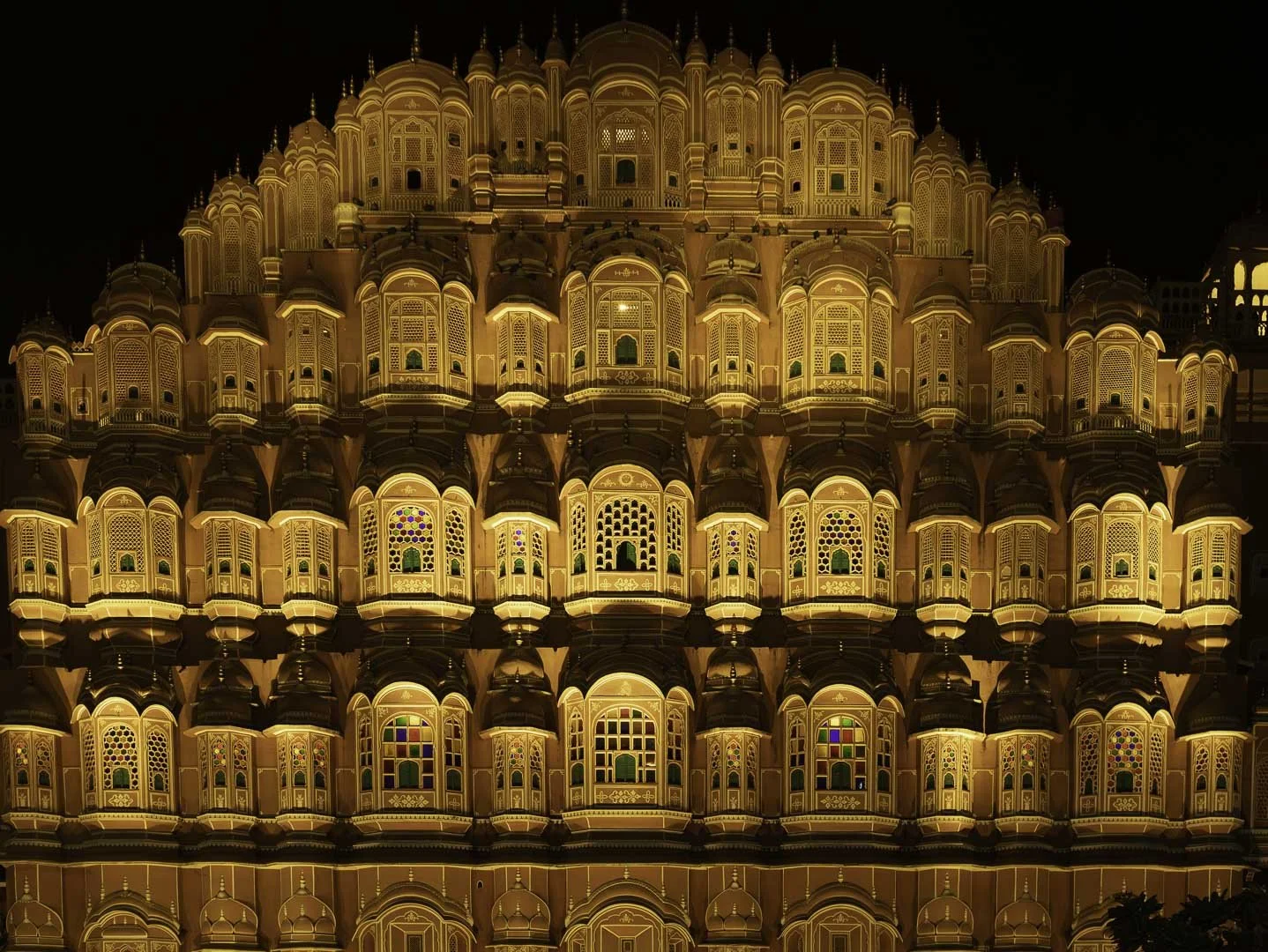
Hawa Mahal by Night – Architecture in a Thousand Windows
Hawa Mahal, illuminated at night, looks like a honeycomb of glowing windows. Its façade seems to have sprung from the imagination of someone dreaming without limits.
The effect is whimsical yet monumental, and every window framed a story of light, shadow, and scale. Photographing it required careful composition to capture both the architectural complexity and the enchanting atmosphere of night.
The building’s form seemed alive, pulsing softly with golden light, inviting both awe and curiosity.
Walking around its streets, I felt the building’s rhythm mirrored in the movement of people and city life below.
Pushkar – Markets, Faces, and the Unexpected
Pushkar brings Rajasthan close and personal. The markets are alive with color, movement, and texture. Vendors, rituals, and the sacred lake make every street a photographic canvas.
Capturing daily life here meant observing the flow of people, the play of light across textiles, and the expressions that tell a story without words.
Every frame revealed poetry in chaos, intimacy in the ordinary, and life in motion. Street corners, small temples, and unexpected encounters added layers to every image I captured.
The city felt alive in ways that are hard to describe — a pulse running through every alley, every stall, and every photograph.

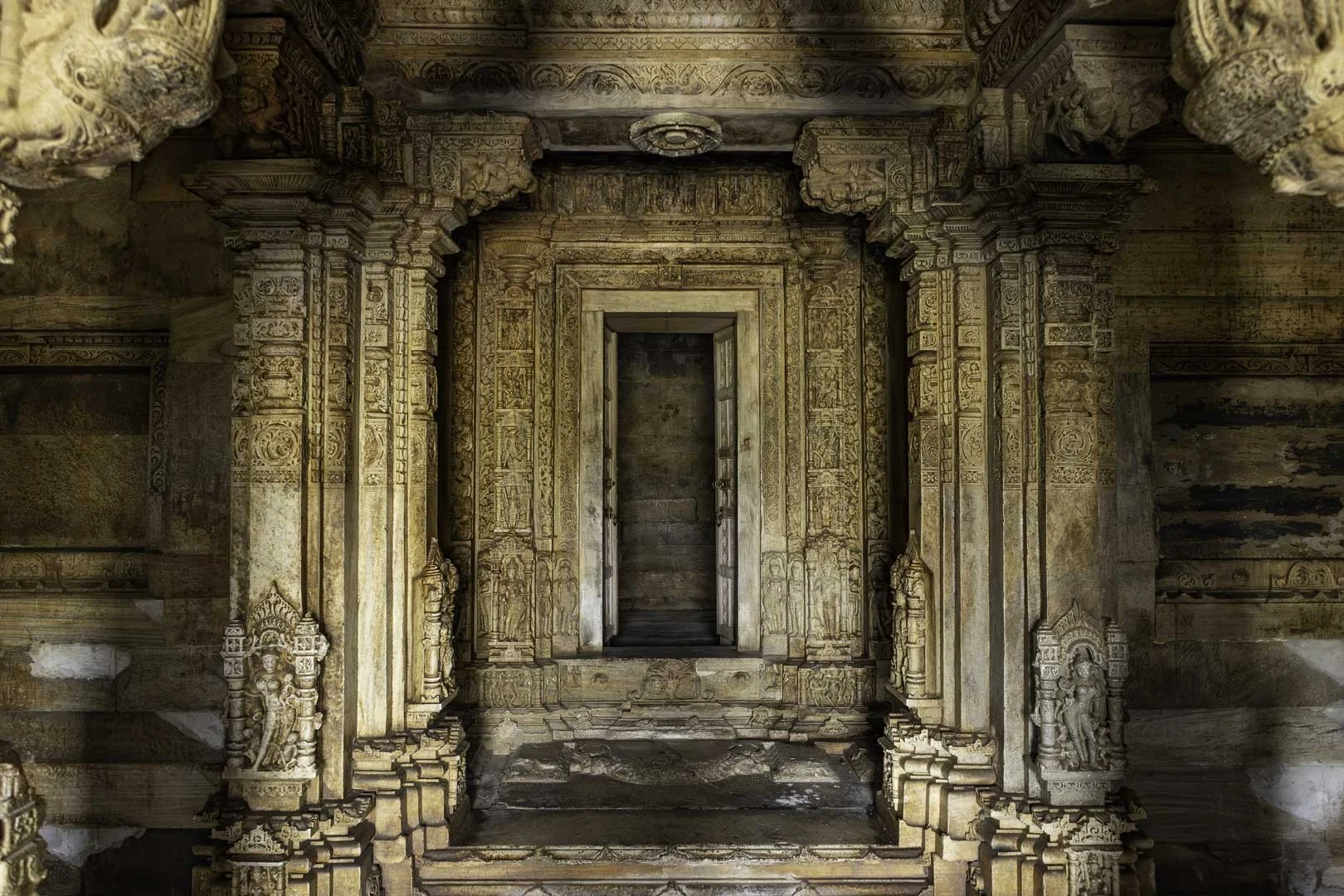
Udaipur – Sas Bahu Temple (Nagda) – Art, Stone & Stories
The Sas Bahu Temple was an unexpected highlight. Delicate carvings, intricate patterns, and symbolic motifs filled every surface. Light and shadow accentuated the artistry, creating endless opportunities for thoughtful photography.
Walking among the stone, I felt a connection to centuries of devotion and craftsmanship.
Every frame became a dialogue with history, culture, and the human spirit embedded in stone.
The temple’s quiet corners revealed hidden carvings and narratives, and sunlight streaming through small openings made patterns dance across the walls.
It was a space where every photograph felt like a conversation with time itself.
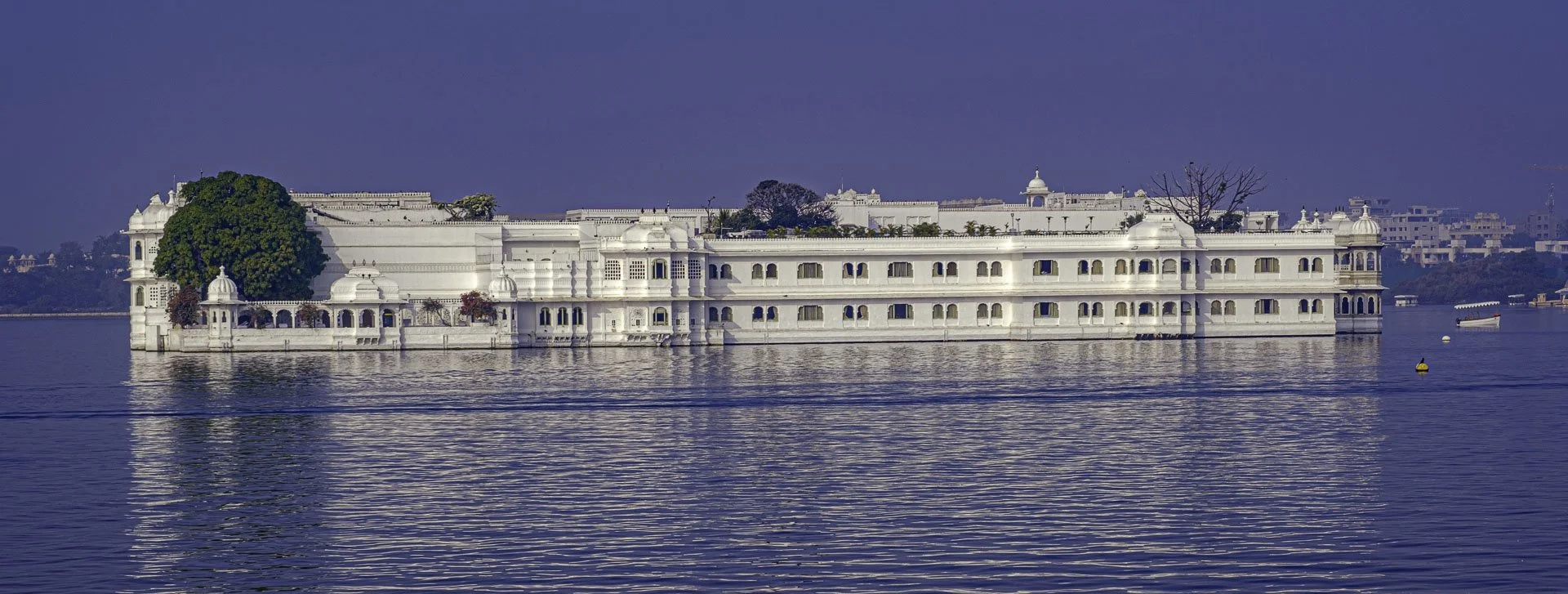
Udaipur – Taj Lake Palace – Serenity on Water
The Taj Lake Palace seems to float between reality and reflection. Calm waters mirror the structure perfectly, and at blue hour, the elegance of its geometry is amplified.
Photography here was about capturing harmony: between architecture, water, and light.
Patience was rewarded as reflections shifted subtly with the evening breeze, and each image felt like a meditation on balance and serenity.
As twilight deepened, soft tones in the sky blended with the palace’s white marble, creating a visual symphony of color and calm.
Udaipur – City Palace – Miniature Paintings & Light
City Palace is a world of its own: mirror rooms, intricate doors, colorful mosaics, and miniature paintings that feel alive. Each corner invites exploration, revealing new textures, details, and stories.
Soft light filters through carved windows, illuminating delicate artworks and casting patterned shadows on marble floors.
Every hallway tells a tale — from royal ceremonies to daily life centuries ago — and every photograph captures layers of history and artistry.
Observing these details taught me patience and a new level of attentiveness to subtle beauty, making photography a deeply meditative act.
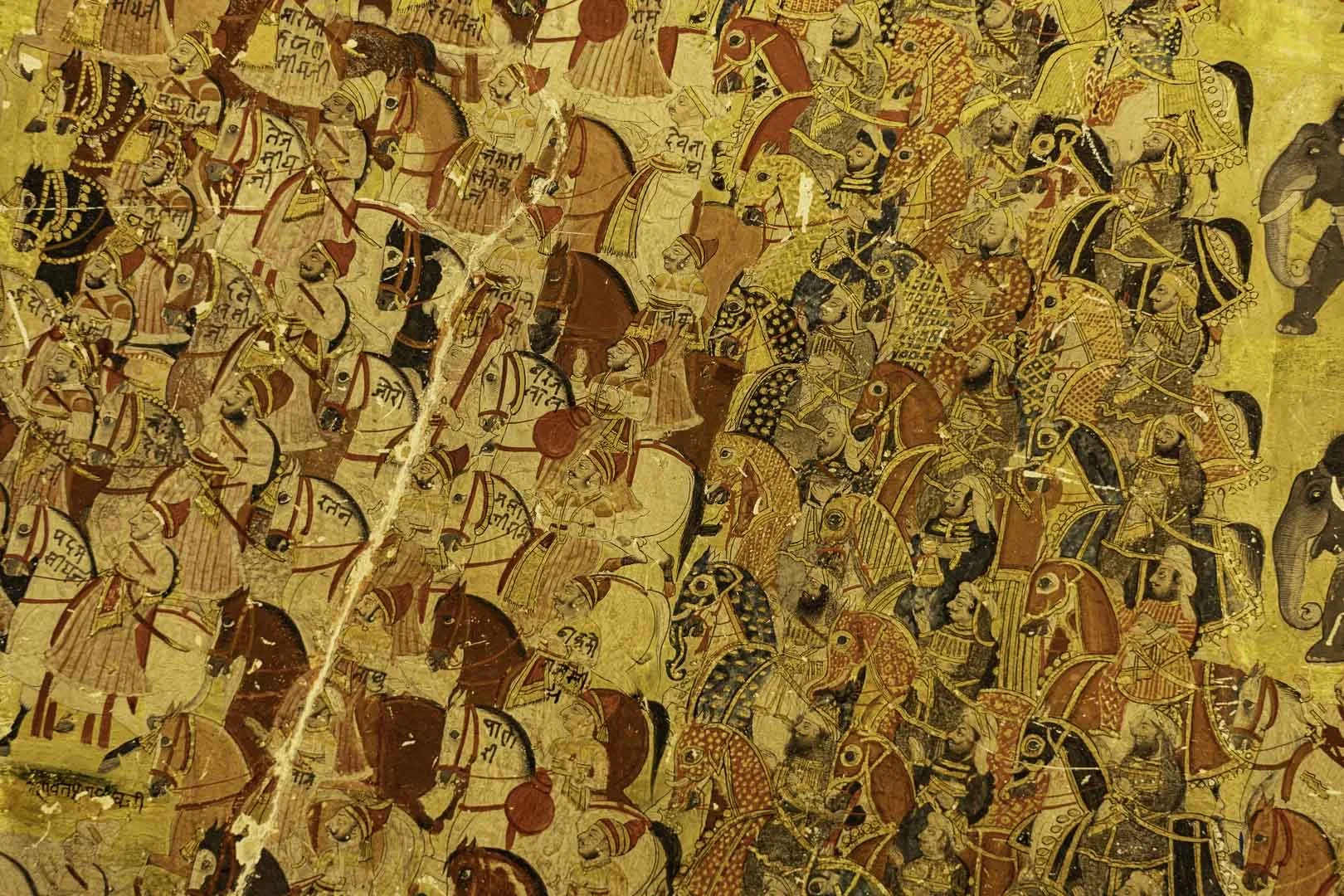
Ranakpur – Jain Temple of a Thousand Columns
The Ranakpur Jain Temple is pure marble poetry. 1,444 individually carved columns, each unique, catch the light in ways that transform the interior into a luminous forest of stone.
Walking through the temple felt surreal — like floating inside a sculpture where every detail whispers devotion, skill, and patience.
Soft shafts of light accentuate carvings of flora, deities, and geometric patterns, creating an ethereal atmosphere.
Photography here was about observing quietly, letting compositions reveal themselves naturally, and capturing the temple’s vastness without losing the intimacy of its intricate details.
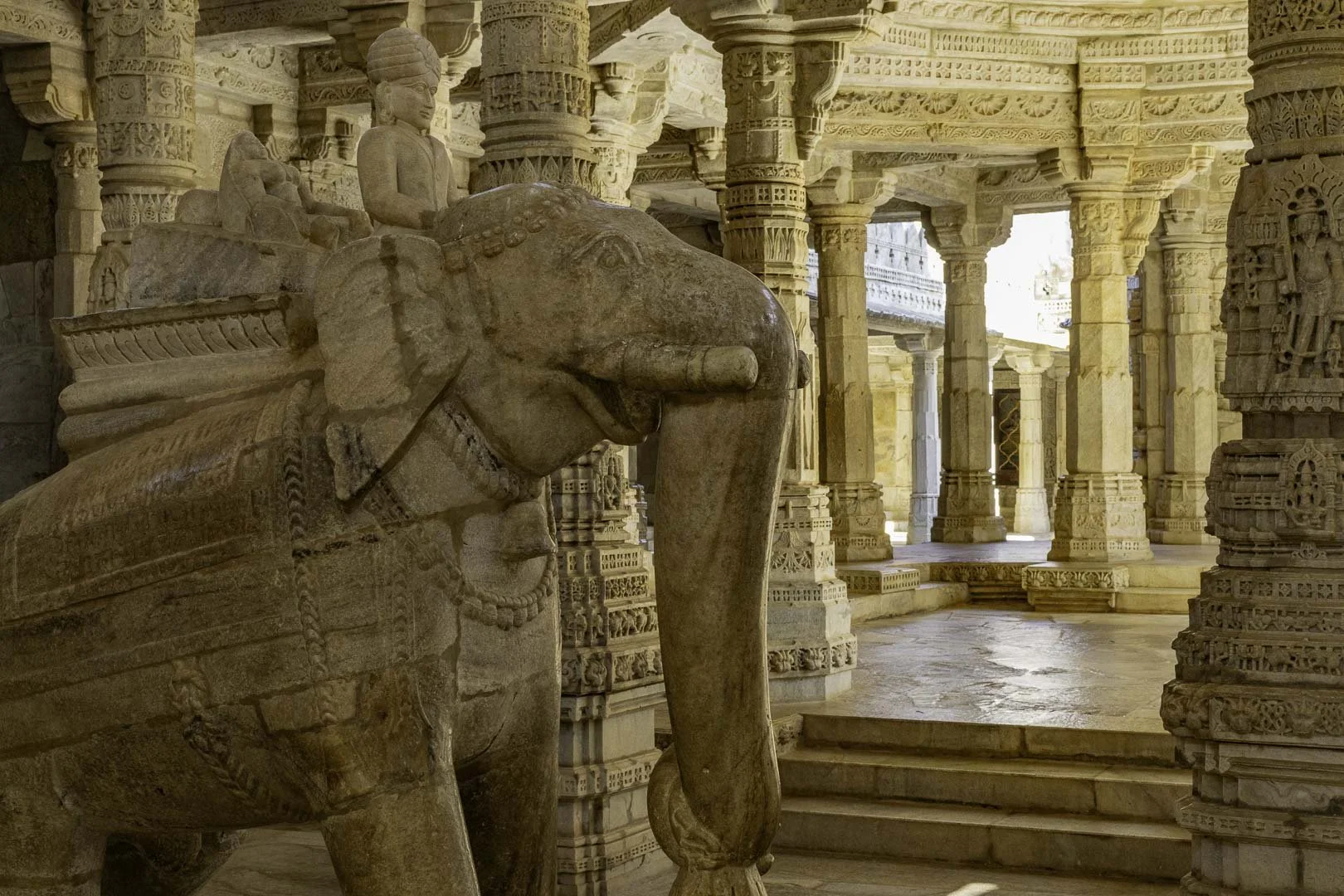
Jodhpur – The Blue City
Jodhpur is where Rajasthan changes mood. Narrow alleys, blue-painted houses, and textured walls create a city that feels both vibrant and timeless.
Every street corner offers photographic magic: shadows and light play across doors, windows, and rooftops, while local life adds color and movement.
Observing the city taught me how architecture, daily life, and light interact, turning ordinary moments into stunning visual compositions.
Each image became a study in color, texture, and geometry — a reminder of the beauty hidden in everyday surroundings.
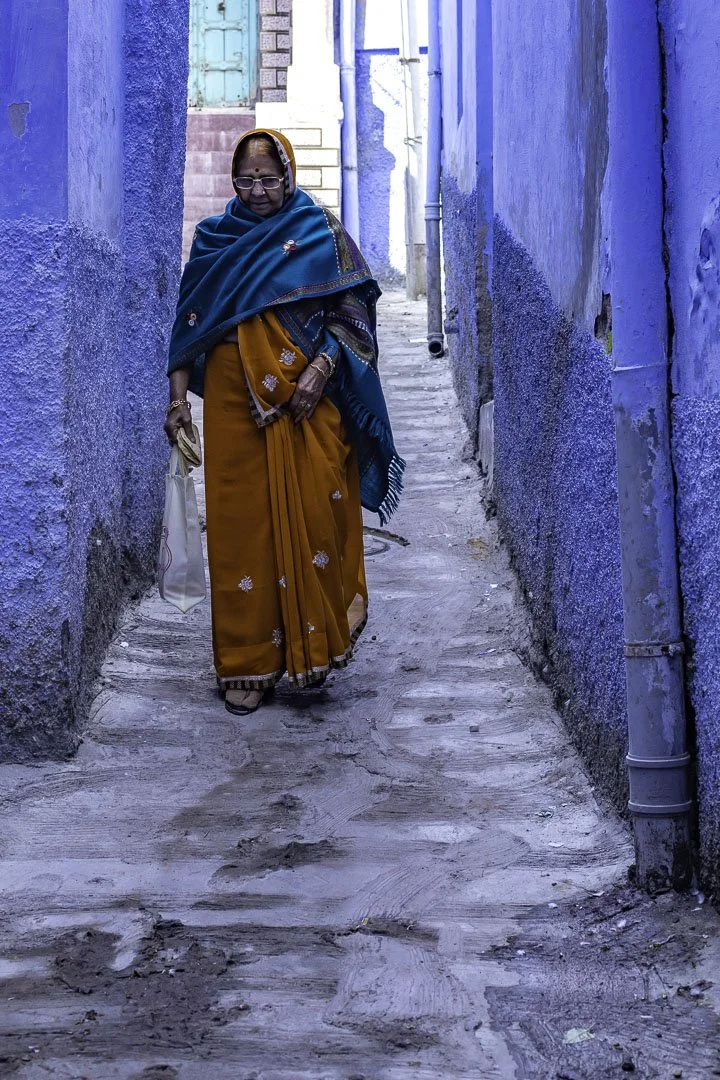
Jodhpur – Mehrangarh Fort – Power & Majesty
Mehrangarh Fort dominates the city like a stone guardian. Massive walls, intricate courtyards, and breathtaking vistas create a sense of awe and history.
Golden hour brought the fort alive: shadows deepened, textures emerged, and the interplay of sunlight and stone highlighted architectural details.
Inside, rooms with ornate patterns, weapons, and paintings revealed centuries of power and culture.
Photography here was about scale, detail, and storytelling — capturing the grandeur of the fort while honoring the human stories embedded in its walls.
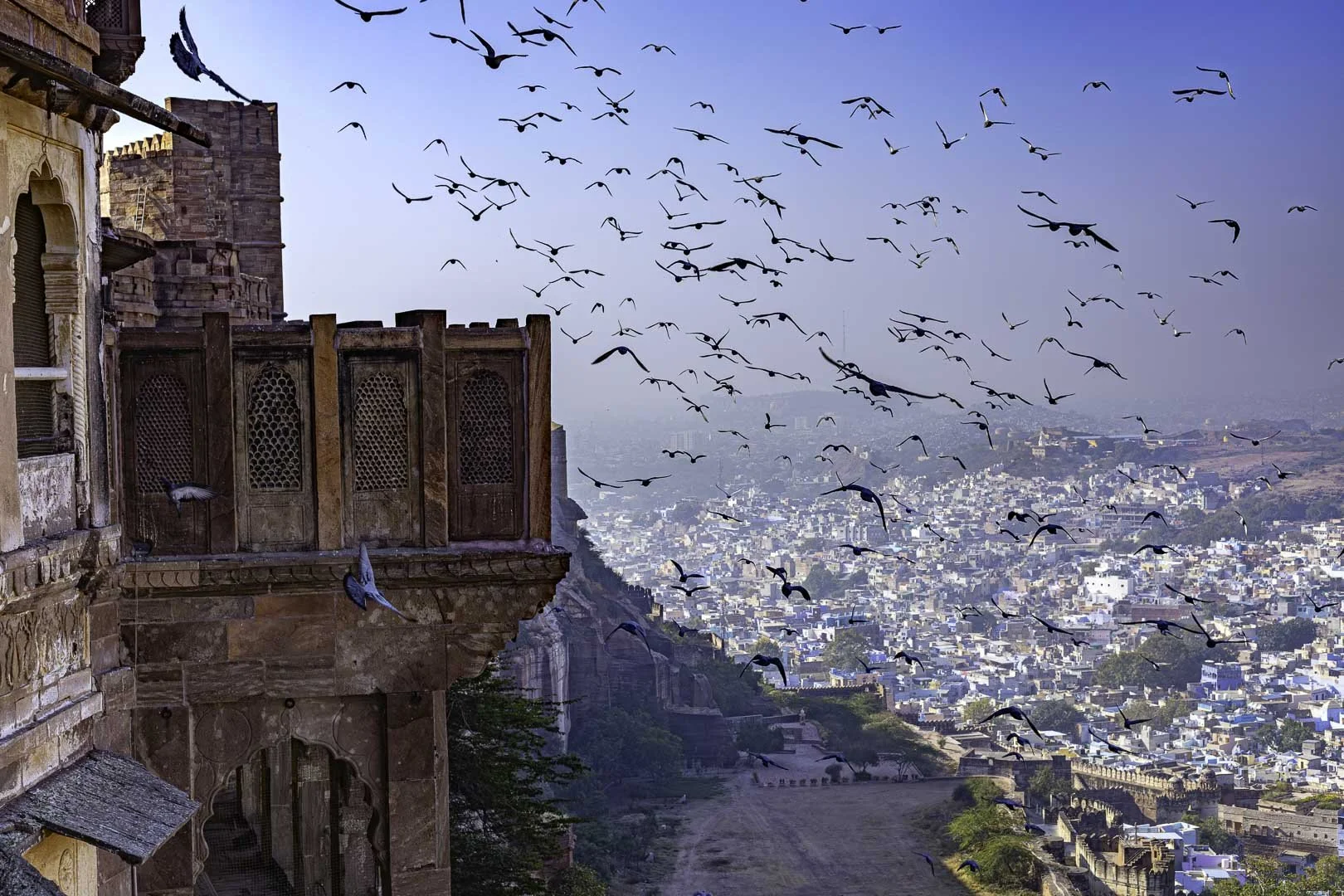
Ranthambore – The Beauty of Not Finding a Tiger
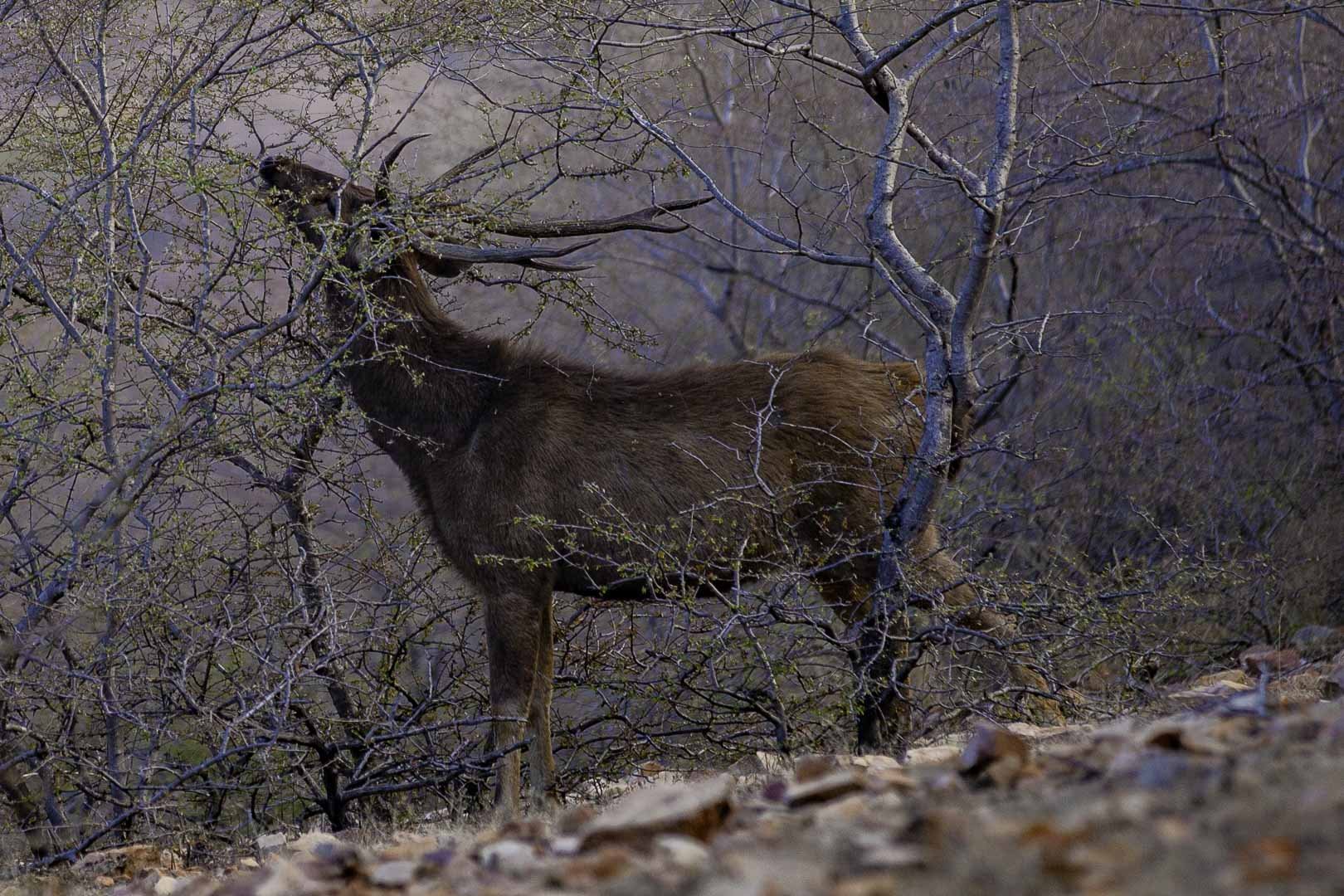
Ranthambore reminded me that wildlife photography is unpredictable. We didn’t see a tiger, but the landscapes were stunning: misty forests, morning sunlight filtering through trees, and birds in flight created endless photographic opportunities.
Patience and observation became my tools. Even without the iconic predator, the forest revealed layers of color, texture, and atmosphere that made every frame meaningful.
The experience emphasized that nature photography is about embracing what appears — the quiet beauty, fleeting moments, and the thrill of anticipation.
How Rajasthan Changed My Photography
Rajasthan didn’t just offer me images to capture — it transformed the way I approach photography and, in a way, the way I see the world. Every city, village, temple, market, and forest became a classroom in observation, patience, and storytelling.
Color as Emotion
Before visiting Rajasthan, I thought of color as simply a visual element — something to be balanced or enhanced in post-processing. Here, color became emotion. The vibrant saris in Jodhpur’s alleys, the deep red sandstone of Fatehpur Sikri, and the soft pastels of Udaipur’s palaces taught me that every hue carries mood, history, and life. I began to see color not just as something to photograph but as a language to convey atmosphere and feeling. Even small details — a turquoise door, a golden temple light, or a splash of marigolds in the market — became essential narrative elements in my storytelling.
Light as a Guide
From the diffused fog at the Taj Mahal to the harsh midday sun at Fatehpur Sikri, from golden hour at Amber Fort to the shimmering reflections of Jal Mahal at night, I realized that light is more than illumination — it is emotion, texture, and drama. Photography in Rajasthan became an exercise in patience, in waiting for the precise moment when light transforms a scene from ordinary to extraordinary. I learned to read light like a map, to follow it, and to anticipate how it would interact with surfaces, people, and architecture. Shadows became as important as highlights, and every subtle shift in lighting conditions could tell a different story.
People and Presence
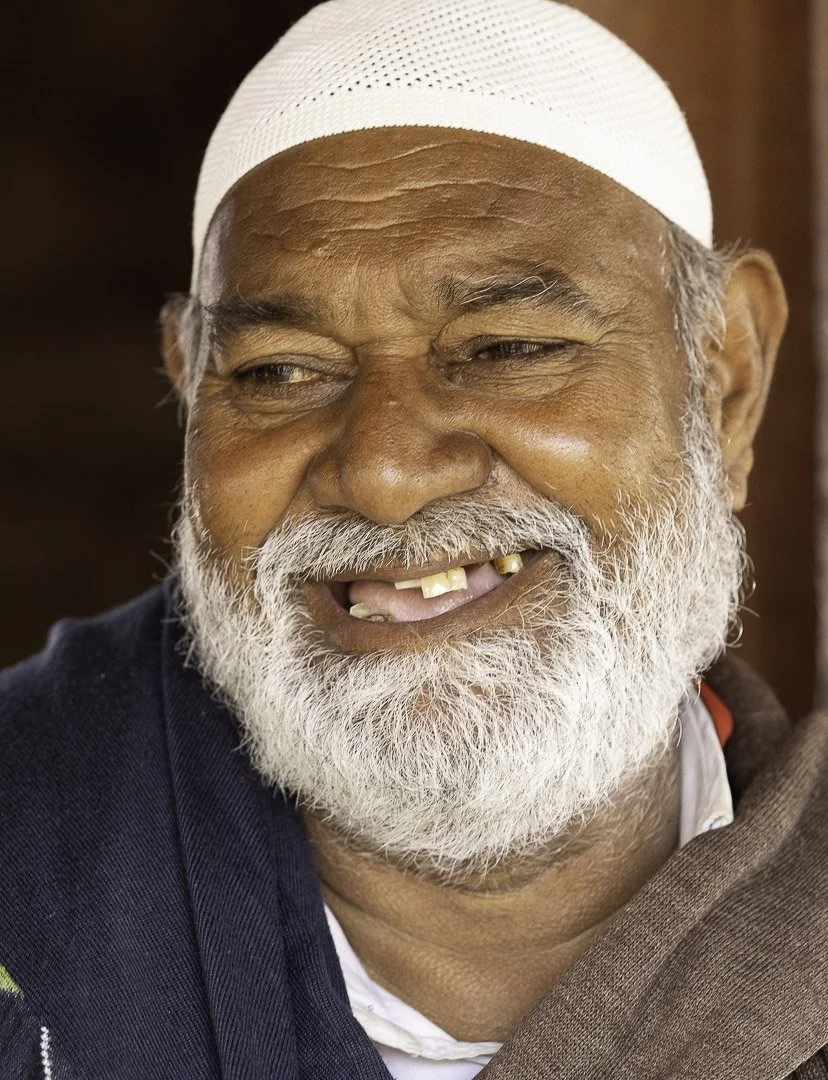
Perhaps the greatest lesson came from the people I encountered. Rajasthan’s markets, ghats, and temples are alive with human stories. Portraits are not just faces — they are narratives of resilience, joy, ritual, and daily life. I learned to approach people with respect, patience, and curiosity, letting their stories unfold naturally rather than forcing a staged moment. Each photograph became a collaboration, a conversation that required listening as much as pointing the lens. The fleeting expressions, gestures, and interactions I captured taught me empathy and attentiveness — qualities that changed not only my photography but my perspective on travel itself.
Architecture as Poetry
Rajasthan’s architecture challenged me to see structure as storytelling. Every fort, palace, temple, and alley has its rhythm, geometry, and flow. Amber Fort taught me grandeur and theatrical light; the intricate carvings of Sas Bahu Temple and Ranakpur Jain Temple demanded mindfulness and respect for detail; the blue streets of Jodhpur revealed that even the simplest urban environment could be a canvas for patterns, contrast, and texture. I began to approach architecture not as static monuments, but as living compositions, waiting to interact with light, people, and atmosphere. Photography became a dialogue between observer and space.
Wildlife and Patience
Ranthambore reminded me that photography is as much about patience as skill. Even when we didn’t find tigers, the forests offered moments of beauty: mist rising over trees, birds caught mid-flight in golden morning light, or a quiet reflection on a still pond. Wildlife photography became a lesson in observation, humility, and respect — an exercise in waiting for the world to reveal itself on its own terms. This patience, cultivated in the forests and deserts of Rajasthan, has since informed every aspect of my photographic approach.
Personal Growth and Perspective
Ultimately, Rajasthan taught me that photography is more than capturing pretty images; it is about observing deeply, connecting with people, and seeing the extraordinary in the ordinary. It reshaped my understanding of storytelling, patience, and creativity. I returned not just with photographs, but with a heightened awareness of light, color, detail, and human presence. Each image I captured in Rajasthan is a reminder that beauty is layered, fleeting, and deeply intertwined with emotion.
In short, Rajasthan changed my photography by teaching me to see — truly see — the world around me. It reminded me that a photograph is not just an image, but a story, a feeling, and a conversation between the observer and what is observed. Every corner, every shadow, every fleeting moment in Rajasthan left its mark on how I approach my craft, and I carry those lessons with me in every frame I now create.
-
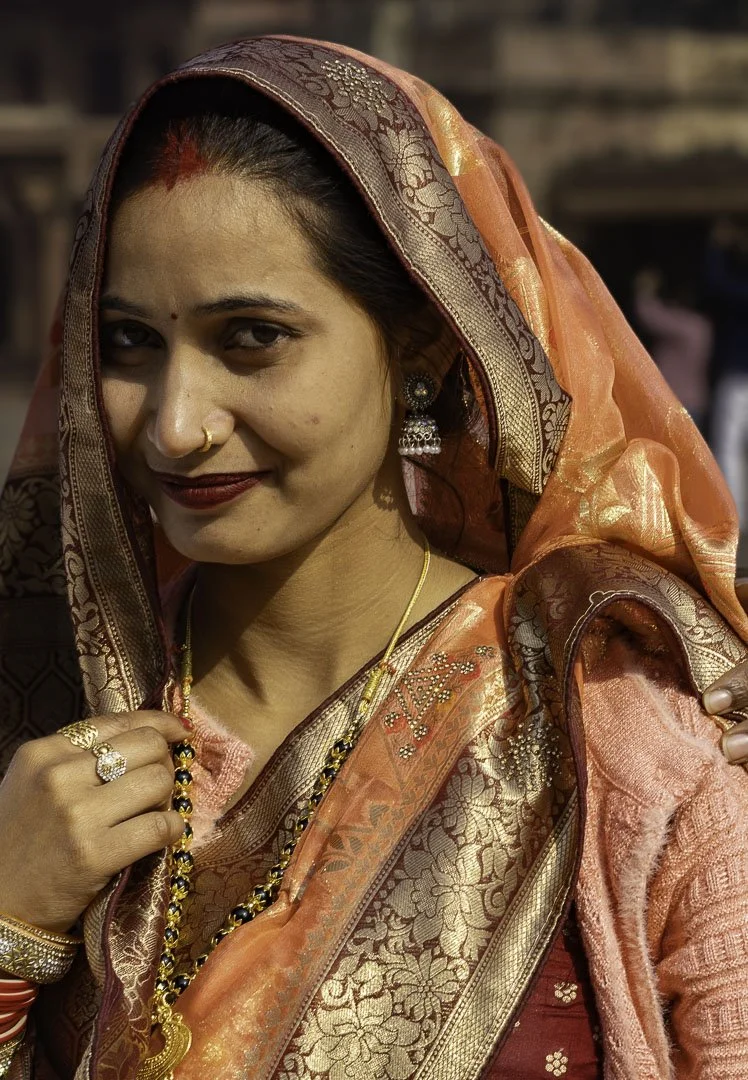
![Close-up portrait of Indian woman wearing a nose ring and traditional jewelry, intense gaze]()
Woman with Nose Ring
-
![Close-up portrait of Indian man with salt-and-pepper beard and thoughtful gaze]()
Bearded Portrait
-
![Street portrait of Indian man looking away with reflective mood]()
Looking Away
-
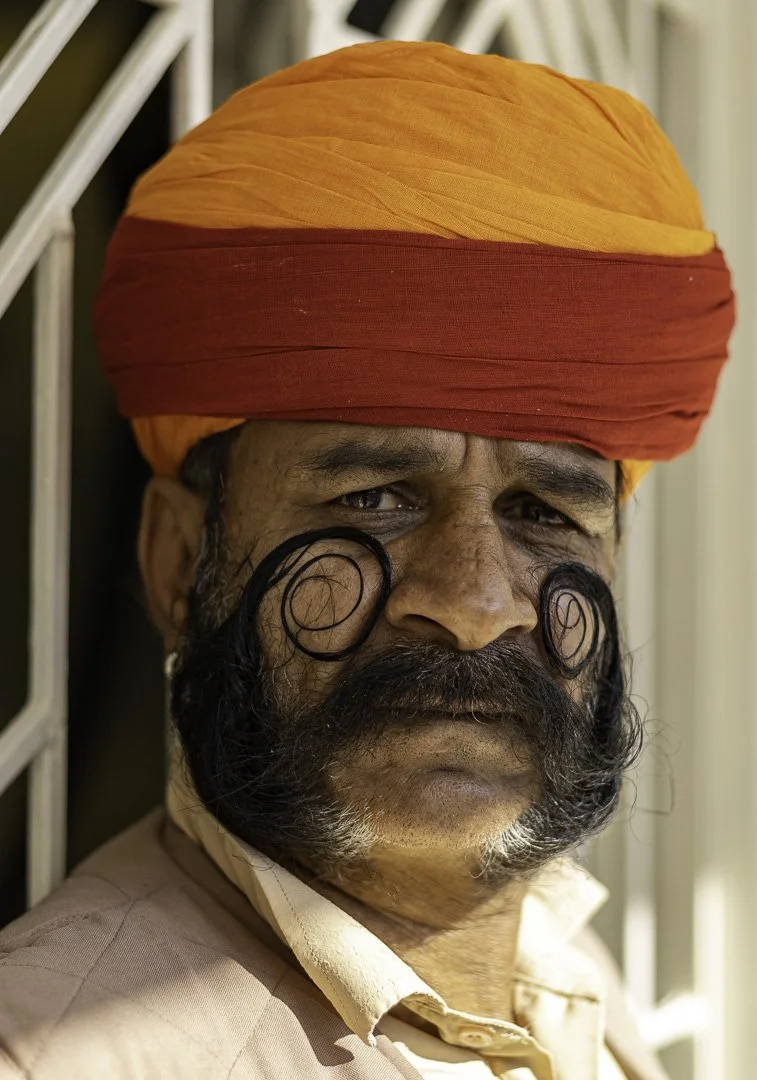
![Indian street portrait of man with curled mustache and confident expression]()
Curled Mustache
-
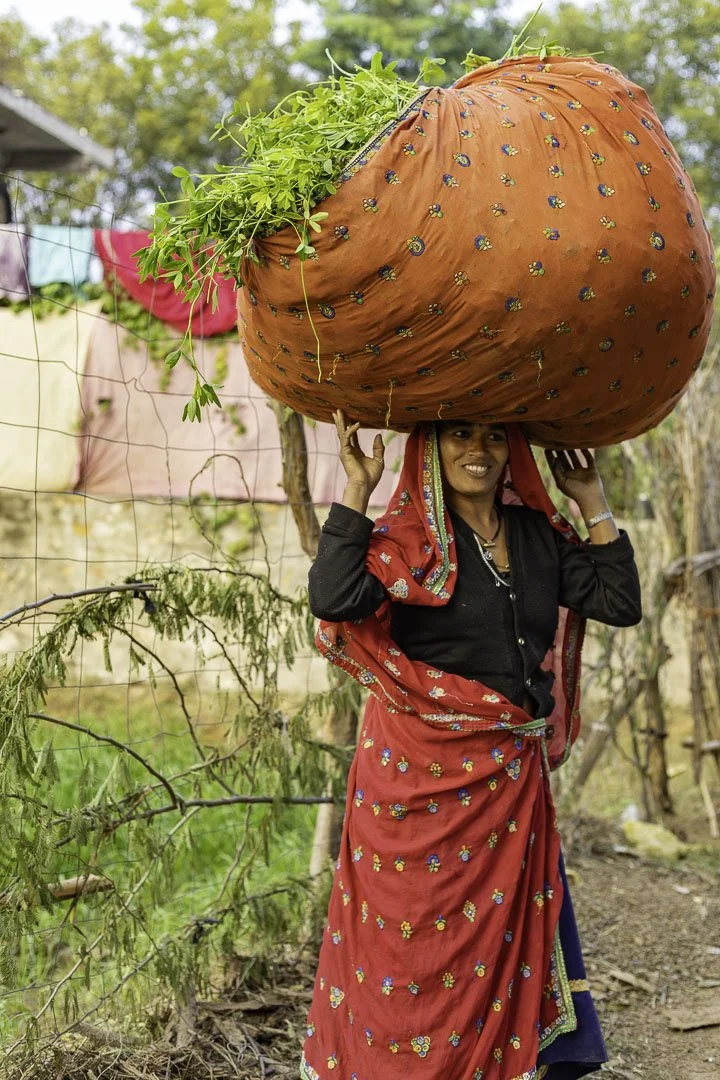
![Indian woman carrying her harvest on her head, traditional rural scene]()
Woman Carrying Harvest
-
![Shy Indian woman smiling gently while looking at the camera]()
Shy Smile
-
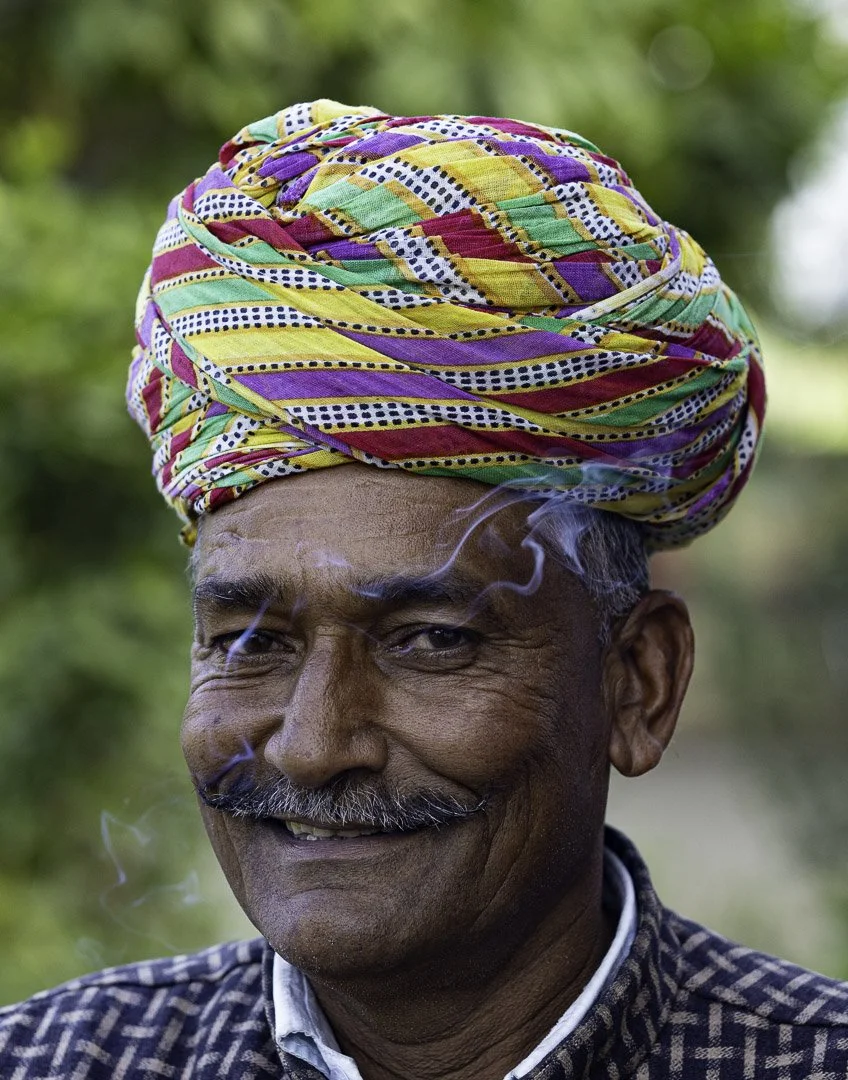
![Indian man smiling as smoke drifts around him, sharp and expressive eyes]()
Through the Smoke
-
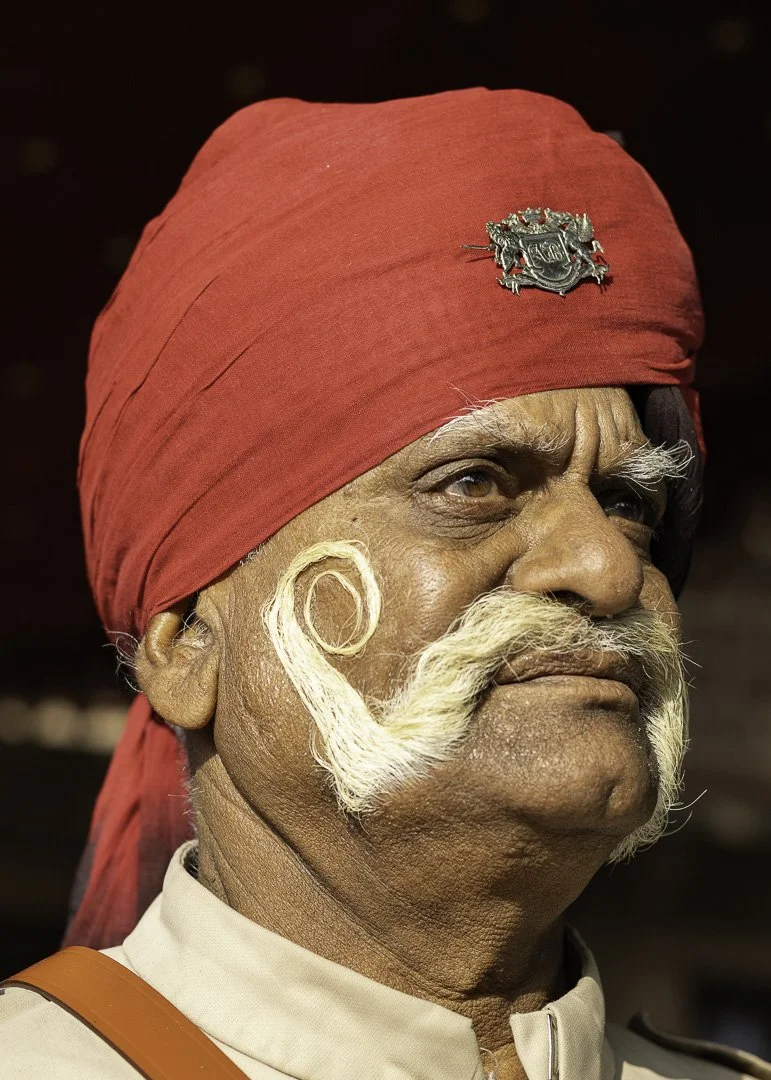
![Indian man wearing a red turban and white mustache, proud and dignified look]()
Red Turban
-
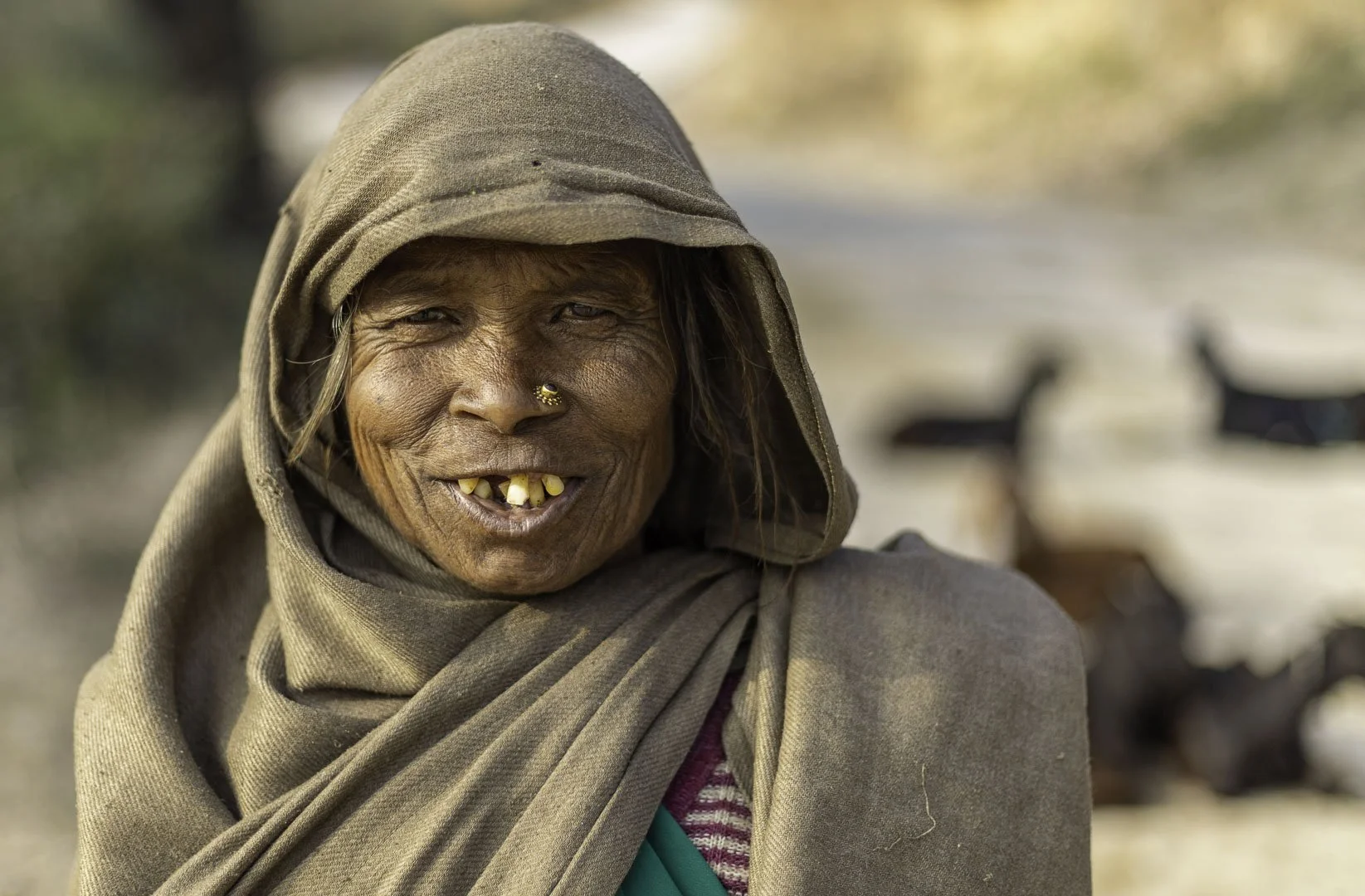
![Close-up portrait of elderly Indian woman with wrinkles highlighted by natural light]()
Natural Light
-
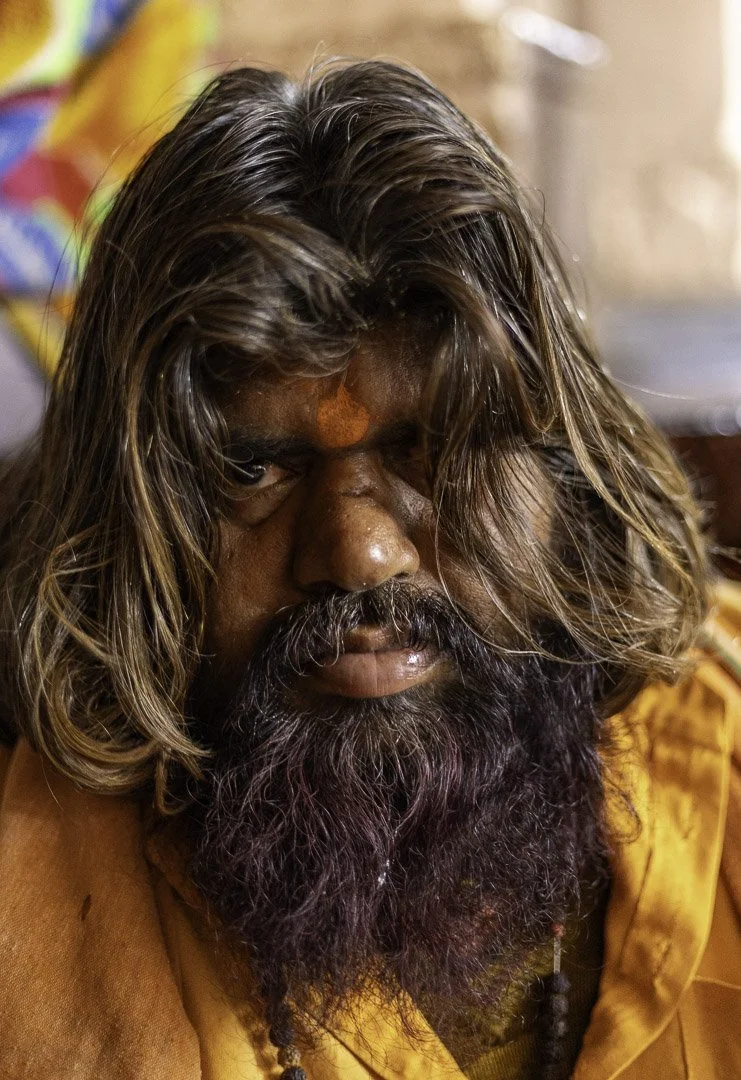
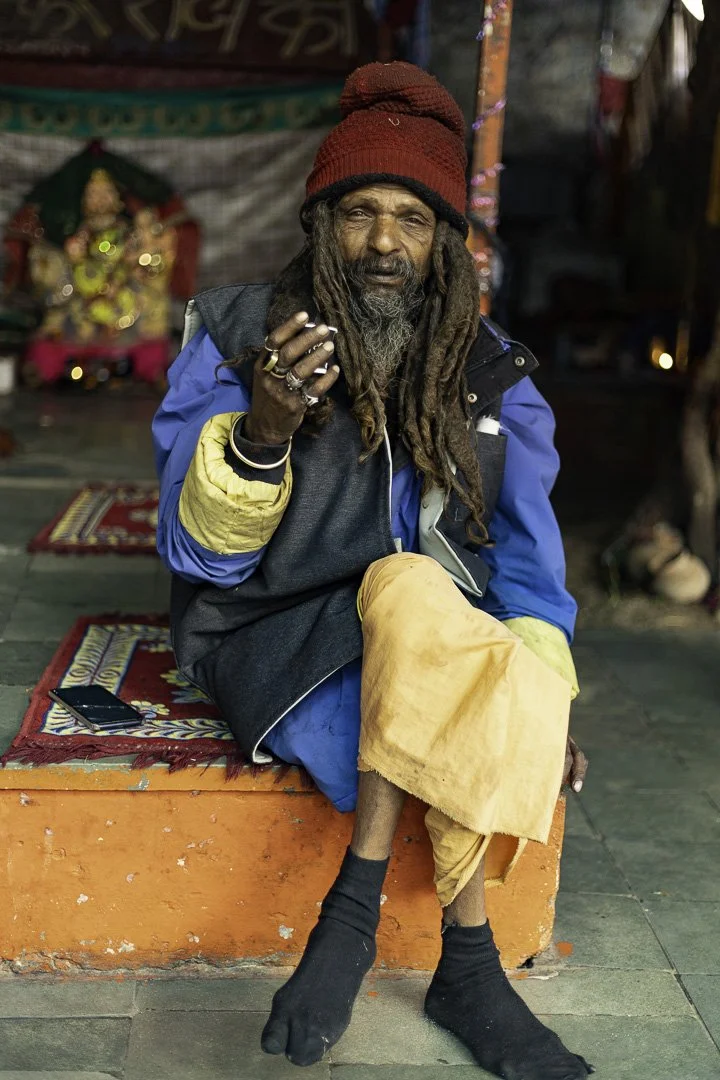
![Very old Indian man with long hair and beard, sitting on the street in Pushkar market drinking coffee, wearing socks]()
Elderly Man in Pushkar
-
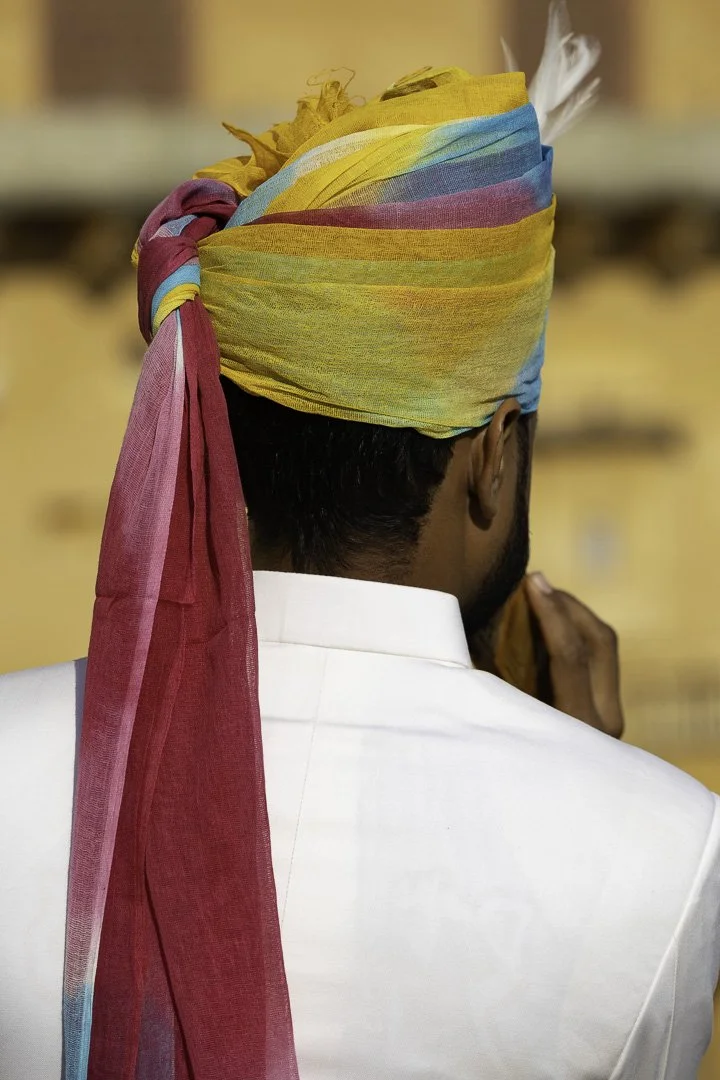
![Indian man captured from behind wearing white traditional clothes and a bright multicolored turban]()
Walking in Tradition
-
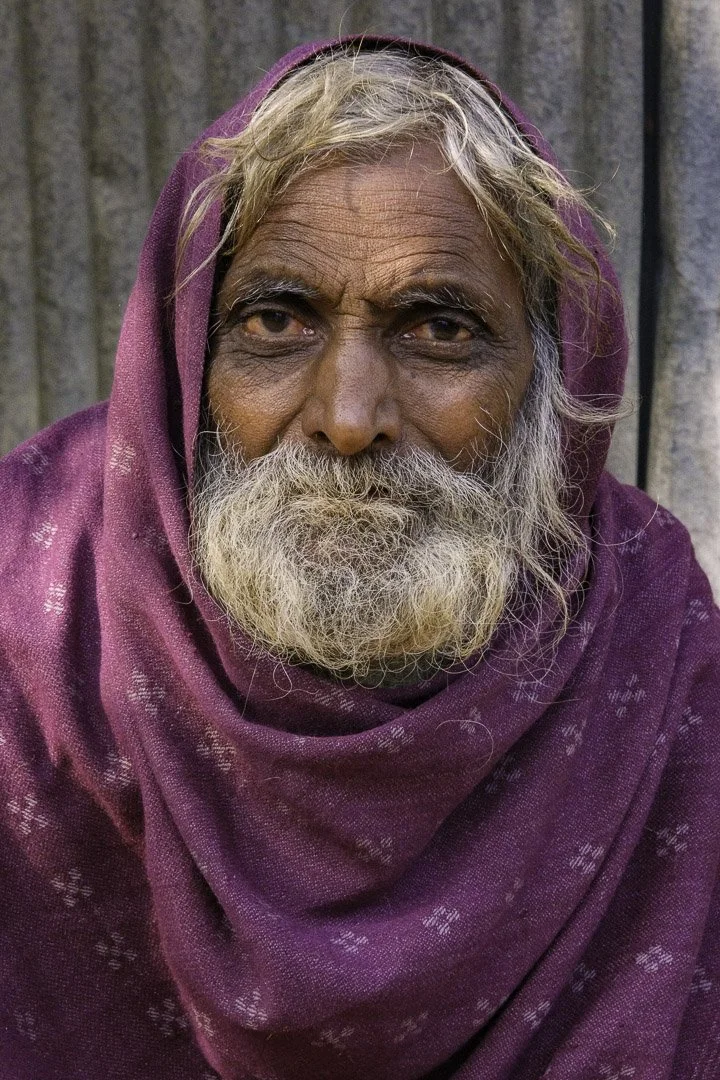
![Very old Indian man looking at the camera, wearing a purple scarf around his body and head, with a wise and thoughtful expression]()
Wise Elder
-
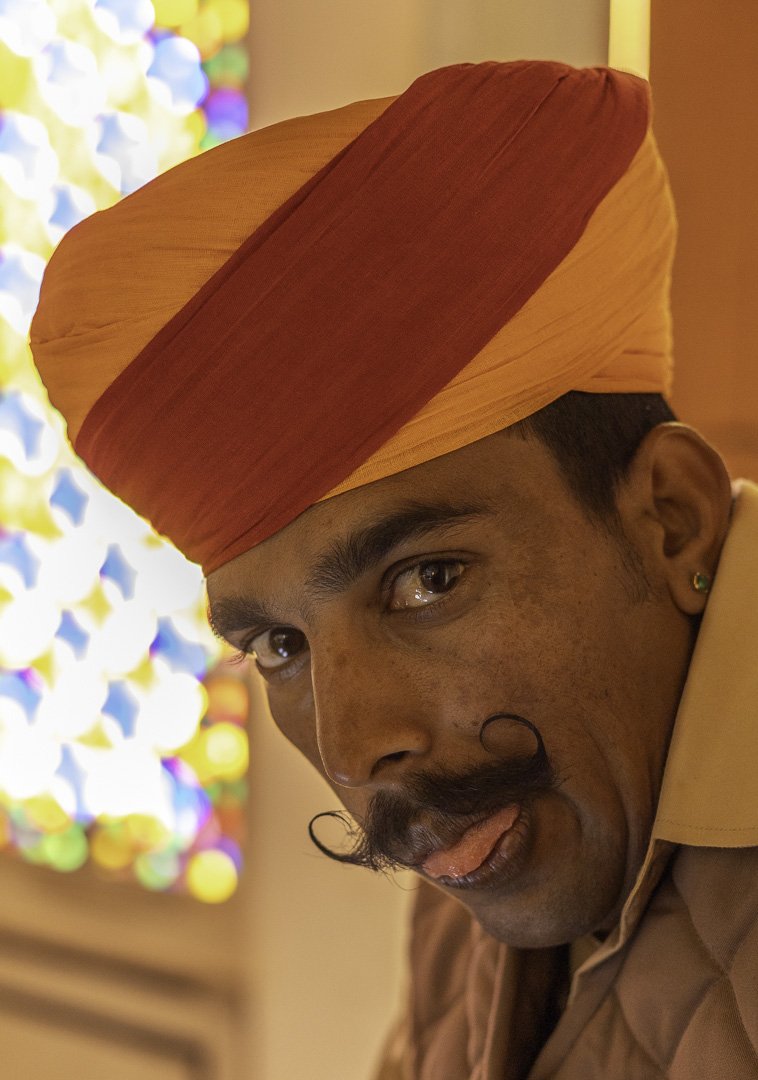
![Indian man with intense eyes and tongue out, wearing an orange and red turban inside a palace]()
Playful Expression

See More of My India - Rajasthan Work
Spiritual & Cultural India → [link to album]
Streets & Daily Life → [link to album]
Faces of India → [link to album]
Wildlife & Nature → [link to album]
India – Rajasthan Hub → [link to hub page]
See More, Connect, and Join My Journey
Explore my full galleries to see more of my work
Subscribe to my newsletter for photography tips and stories (coming soon)
Contact me for prints or photography services