How to Choose Fine Art Photography for Interior Spaces
Finding the right photograph, size and presentation to create a meaningful connection between art and the spaces we inhabit.
Art That Becomes Part of Your Everyday Life
A photograph can change the atmosphere of a room.
It can introduce a sense of calm, create a striking focal point or invite us to look more closely at something we might otherwise overlook.
Unlike an image briefly viewed on a screen, a Fine Art photograph displayed in a home or workplace becomes part of our everyday surroundings.
We return to it, often without consciously noticing. Over time, we may discover details, colours or emotions that escaped us at first.
Choosing a photograph for an interior is therefore about more than matching an artwork to a wall.
It is about finding an image you want to live with.
Contact:
contact@josephBphotography.com
Start With the Photograph, Not the Room
Interior design often begins with colours, furniture and proportions.
When choosing Fine Art photography, I believe the starting point should be different.
First, find a photograph that speaks to you.
It might be a landscape that evokes a place you love, an encounter with wildlife that creates an immediate emotional connection, or an abstract natural composition that invites interpretation.
The photograph does not need to match every colour in the room.
Sometimes, a subtle contrast creates a more interesting relationship between the artwork and its surroundings.
A warm-toned photograph can bring depth to a minimalist interior. A quiet, monochromatic composition can introduce balance into a colourful space.
What matters is that the image continues to hold your attention beyond the first impression.
Consider the Scale of the Space
The size of a photograph has a significant influence on how it is experienced.
A large Fine Art print can become the central element of a room, particularly when displayed above a sofa, a bed or a piece of furniture.
A smaller print can create a more intimate experience, encouraging the viewer to approach and discover its details.
Neither approach is inherently better.
The right size depends on the available wall space, the distance from which the photograph will be viewed and the visual presence you want it to have.
Before choosing a format, it can help to measure the wall and temporarily mark the proposed dimensions.
Remember to consider the finished dimensions of a framed artwork, including the mat and frame, rather than the photograph alone.
The goal is not necessarily to fill the wall.
Sometimes, the space around an artwork is as important as the artwork itself.
Let Colour and Light Shape the Atmosphere
Nature offers an extraordinary range of colours and tonal relationships.
The deep blues of ice and water can create a sense of tranquillity.
Warm mineral tones may introduce energy and texture.
A wildlife photograph can bring a feeling of presence and immediacy, while a delicate macro composition may encourage a quieter, more contemplative atmosphere.
Lighting also influences how a print is perceived.
Natural daylight changes throughout the day, and artificial lighting can alter the apparent warmth or contrast of an image.
It is worth considering where the photograph will hang and how the light will reach it.
Avoid prolonged direct sunlight, excessive humidity and locations exposed to significant temperature fluctuations.
Thoughtful placement helps protect the artwork while allowing its colours and details to be appreciated.
Framed Fine Art Print or Dibond?
Presentation changes the way a photograph interacts with an interior.
A framed Fine Art print offers a classic and refined appearance.
In my collection, the photograph is printed on Fine Art paper and presented with a natural white mat in a solid wood Hamburg-style frame.
The frame introduces a visual boundary around the image, while the mat creates space between the photograph and its surroundings.
Depending on the selected option, clear glass or anti-reflective museum glass can be used.
A Fine Art print mounted on Dibond offers a different aesthetic.
The photograph is first printed on Fine Art paper, then mounted on a rigid aluminium composite panel.
Without the visual presence of a traditional frame, the image can feel more direct and contemporary.
Neither presentation is universally preferable.
A framed print may complement an intimate living space, while Dibond can work particularly well in a minimalist or architectural setting.
The choice depends on the photograph, the room and your personal preferences.
One Statement Piece or a Thoughtful Arrangement?
A single photograph can give a room a strong visual identity.
This approach works particularly well when the artwork has enough space to establish its presence.
But several photographs can also create a meaningful relationship.
A pair of images may share a colour palette, a subject or a similar sense of movement.
A group of smaller works can encourage the viewer to discover connections between different details of nature.
When combining photographs, I would focus on visual coherence rather than strict uniformity.
The images do not need to depict the same subject, but they should have a reason to exist together.
Consistent spacing and carefully considered alignment can help the arrangement feel intentional.
For a more understated result, a single photograph may be all that is needed.
Choosing Photography for Homes and Professional Spaces
The relationship between photography and interior space extends beyond private homes.
In a living room, an artwork may become a focal point and a conversation starter.
In a bedroom, a quieter composition can contribute to a more restful atmosphere.
In an office, a photograph of nature may offer a welcome visual pause during the working day.
Hotels, restaurants and other hospitality spaces can also use photography to establish a distinctive atmosphere.
For architects and interior designers, the challenge is often to balance the character of the artwork with the identity of the space.
Fine Art nature photography offers a wide range of possibilities, from expressive wildlife portraits to restrained, almost abstract compositions.
The most successful choice is not necessarily the most spectacular image.
It is the one that feels right in its setting.
From My Collections to Your Space
My three Fine Art collections offer different ways of exploring the natural world.
Earth as Matter focuses on the forms, colours and textures of our planet, revealing the extraordinary visual richness of geological structures, water and natural surfaces.
Fragile Lives celebrates wildlife through photographs that reflect the presence, behaviour and vulnerability of animals within their environments.
The Invisible Life invites a closer look at the smaller forms of nature, revealing details and structures that often remain unnoticed.
Although their subjects differ, these collections share the same intention: to encourage a deeper appreciation of the natural world through photography.
A Fine Art print allows that connection to extend beyond the screen, becoming a lasting presence in the space where you live or work.
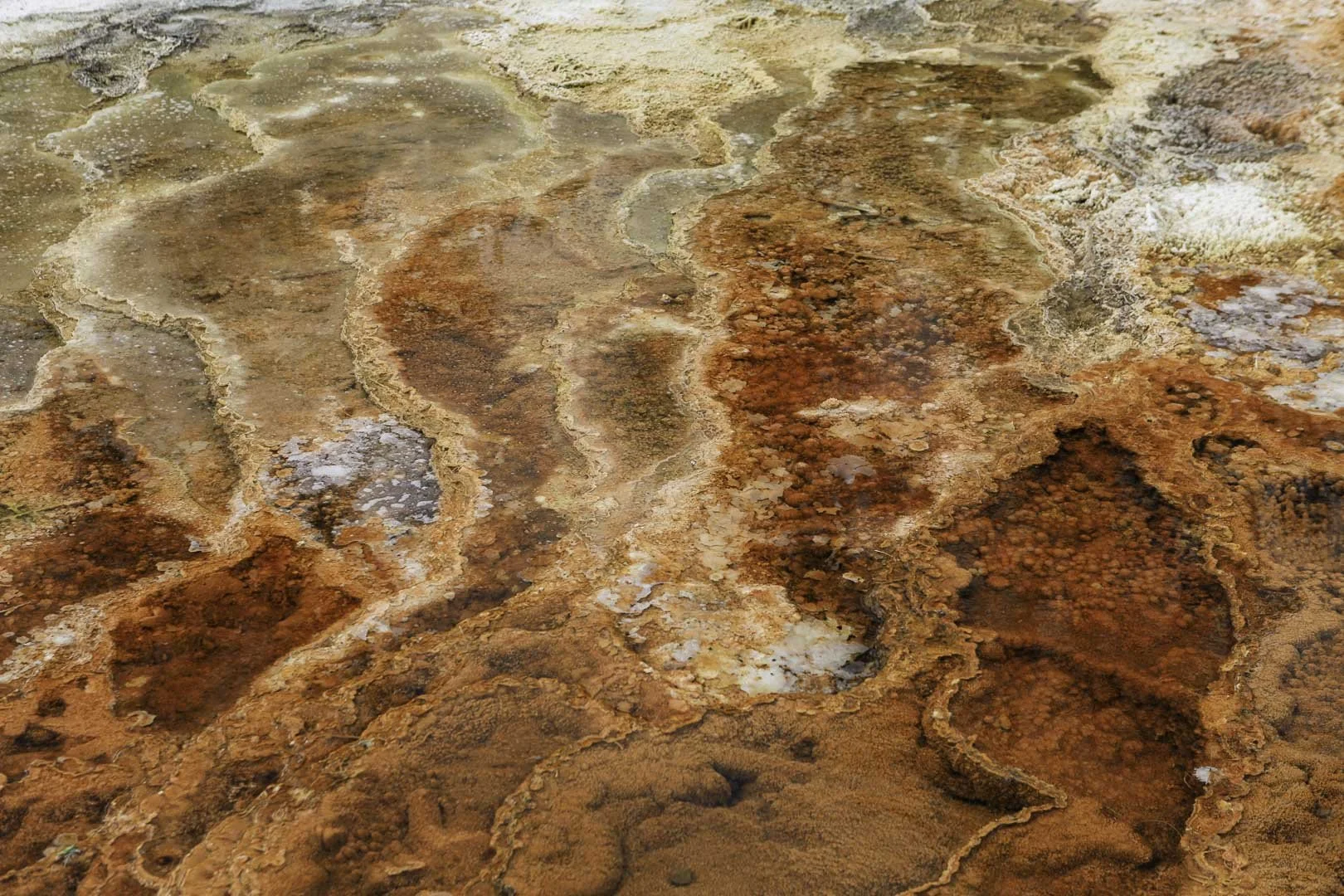
Earth as Matter
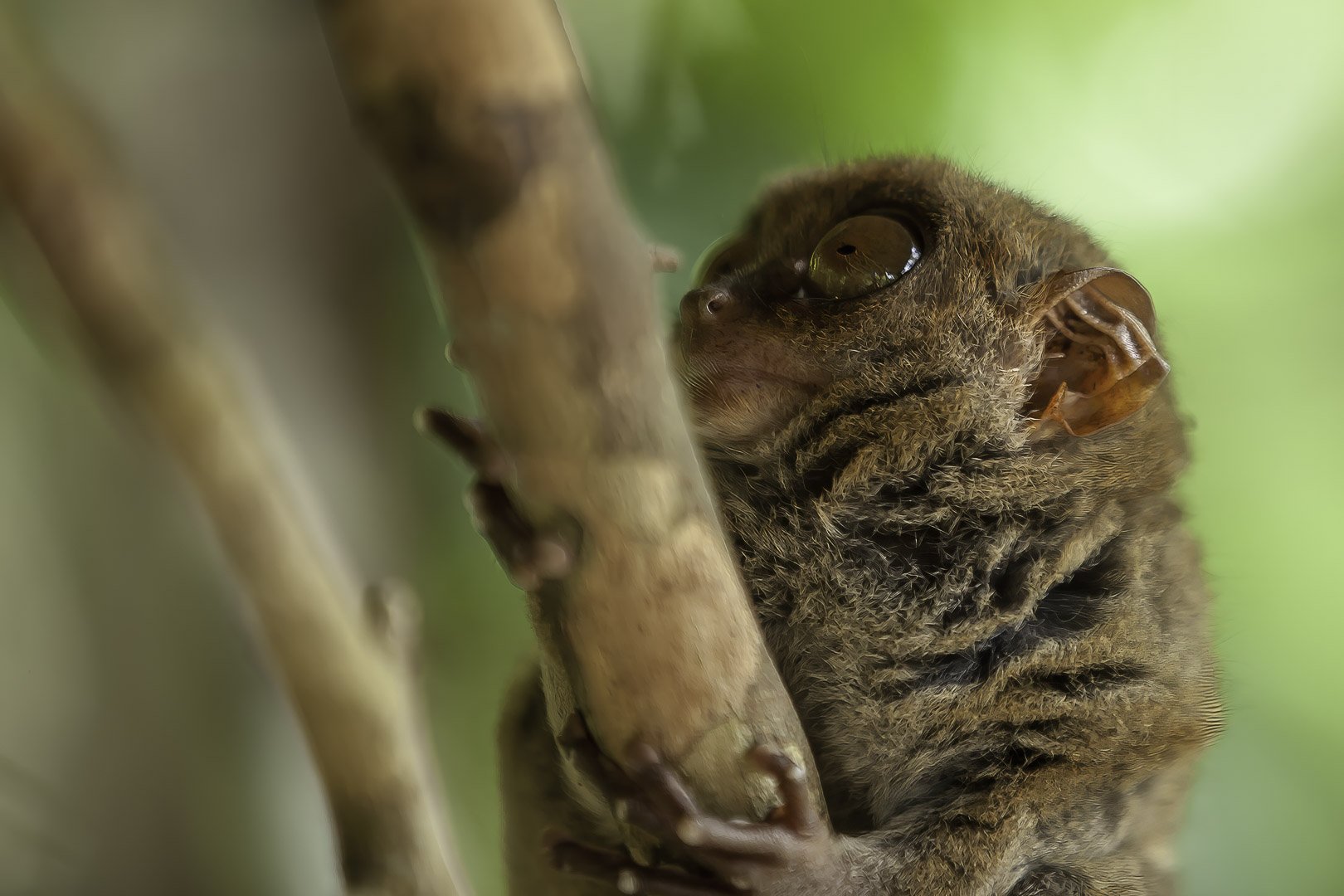
Fragile Lives
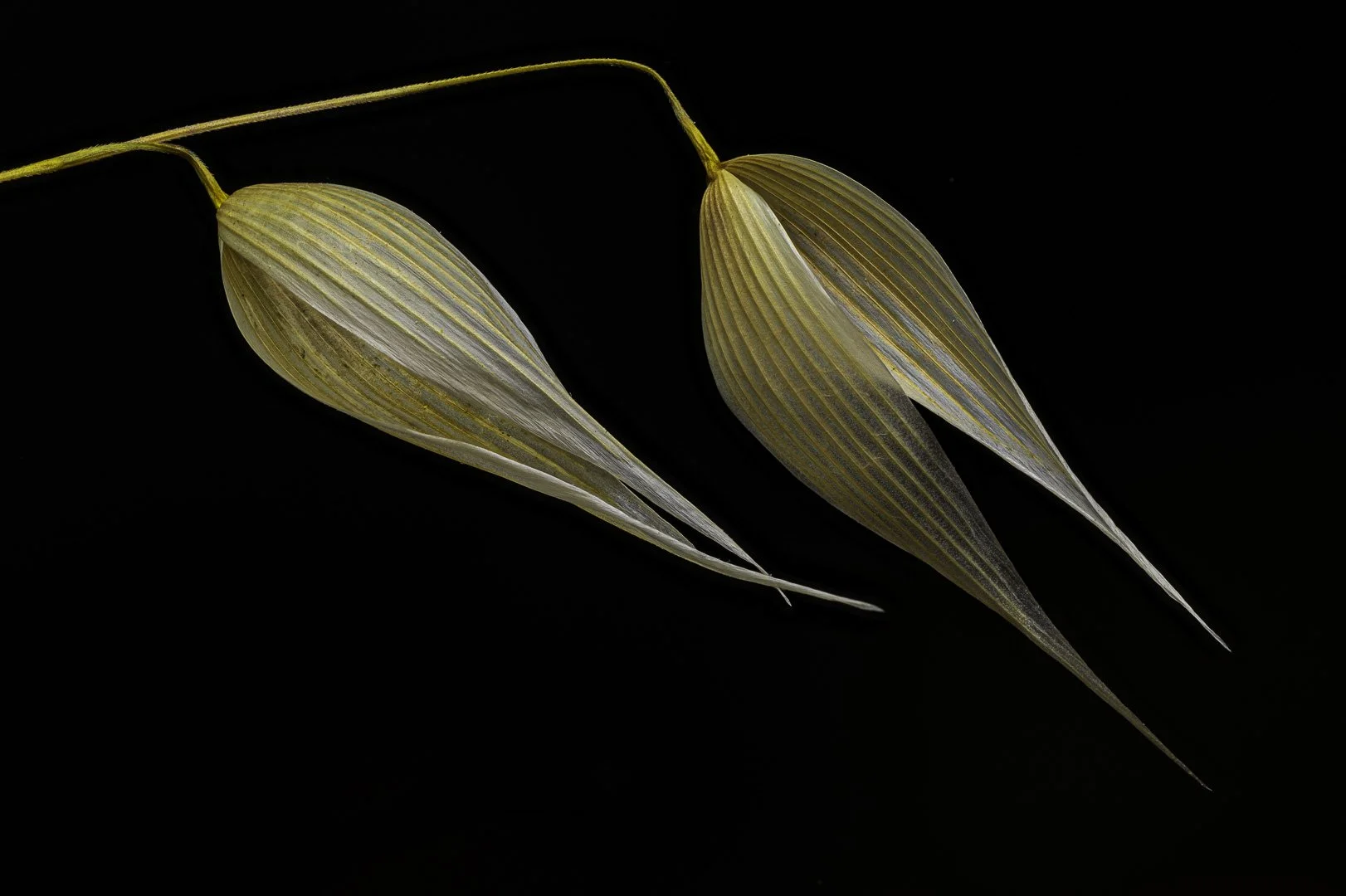
The Invisible Life
Choose an Artwork You Will Want to Keep Looking At
Trends in interior design change.
Colours, materials and furniture evolve, sometimes more quickly than we expect.
A photograph chosen only because it matches a particular decorative style may eventually feel out of place.
An image that creates a genuine personal connection has a better chance of remaining meaningful.
That is why I encourage collectors to take their time.
Explore different subjects, consider how a photograph makes you feel and imagine living with it over the years.
The right Fine Art photograph does not simply complete a room.
It gives you a reason to pause, look again and reconnect with something beyond the space itself.
Explore the Fine Art Collections
Explore the Albums by theme - Wildlife, macro photography, landscapes, astrophotography and other visual explorations.
Explore the Albums by place - Photographic journeys across Europe, Asia, Africa, the Americas and Oceania.