Alaska Wildlife and Glacier Photography: At the Edge of the Wild
A personal photographic journey through Alaska’s wilderness, from Denali to its glaciers and marine wildlife — and a powerful encounter with the reality of climate change.
Alaska: A Wilderness That Changes the Way You See
I travelled to Alaska to discover and photograph one of the world's most extraordinary natural environments.
I expected immense landscapes, glaciers, mountains and unforgettable encounters with wildlife. I hoped to experience the particular feeling of freedom that comes from being surrounded by nature on such a vast scale.
Alaska gave me all of that.
But it also gave me something I had not anticipated: a much deeper awareness of the fragility of our planet, and a growing sense of responsibility for what we are leaving behind.
Some journeys change the way we photograph. Others change the way we think.
For me, Alaska did both.
Denali National Park — The Privilege of Wild Encounters
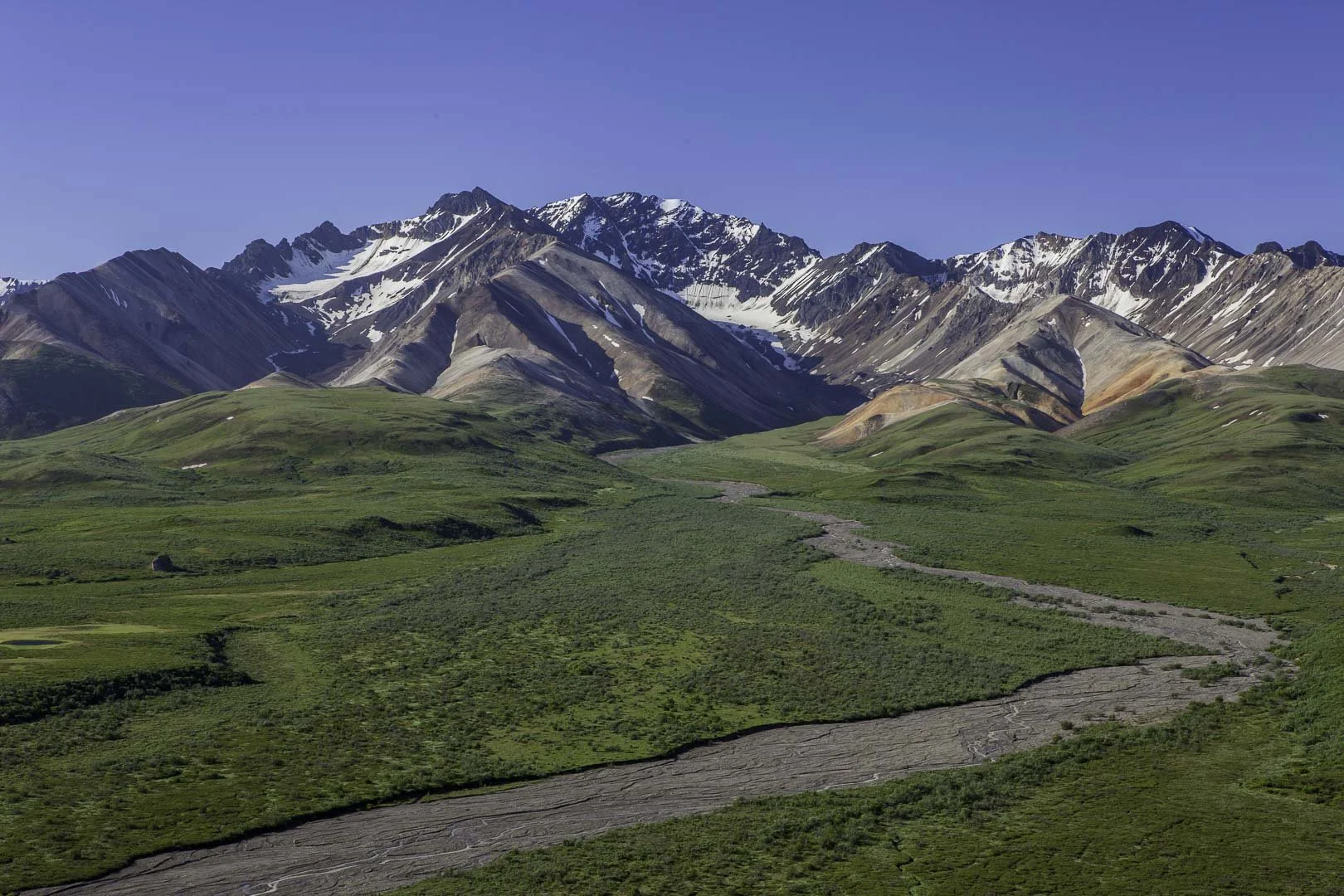
In Denali National Park, the scale of the landscape is overwhelming.
Mountains, valleys and open wilderness stretch far beyond what a photograph can easily contain. The light changes constantly, transforming colours, revealing distant ridges and sometimes concealing entire sections of the landscape.
Yet it was often the presence of wildlife that made these vast spaces feel most alive.
Photographing a grizzly bear, observing moose in their natural environment or watching smaller animals moving through the landscape brought a different dimension to the experience.
These were not animals performing for a camera. They were simply living.
I have always believed that wildlife photography should begin with respect. Understanding behaviour, maintaining distance and allowing animals to remain undisturbed are more important than obtaining a spectacular image.
In Denali, that conviction felt especially meaningful.
The animals belonged to the landscape. I was only passing through it.
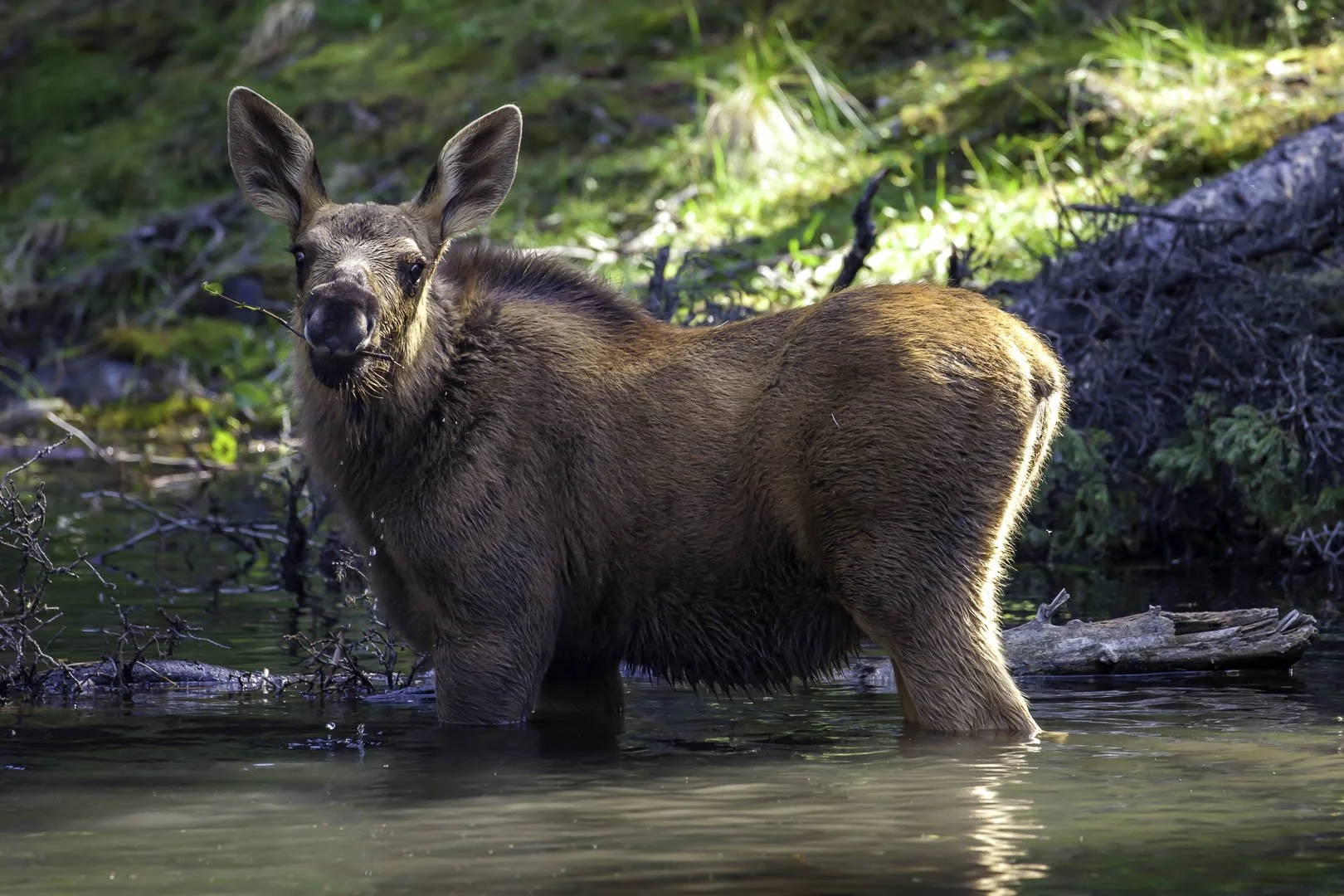
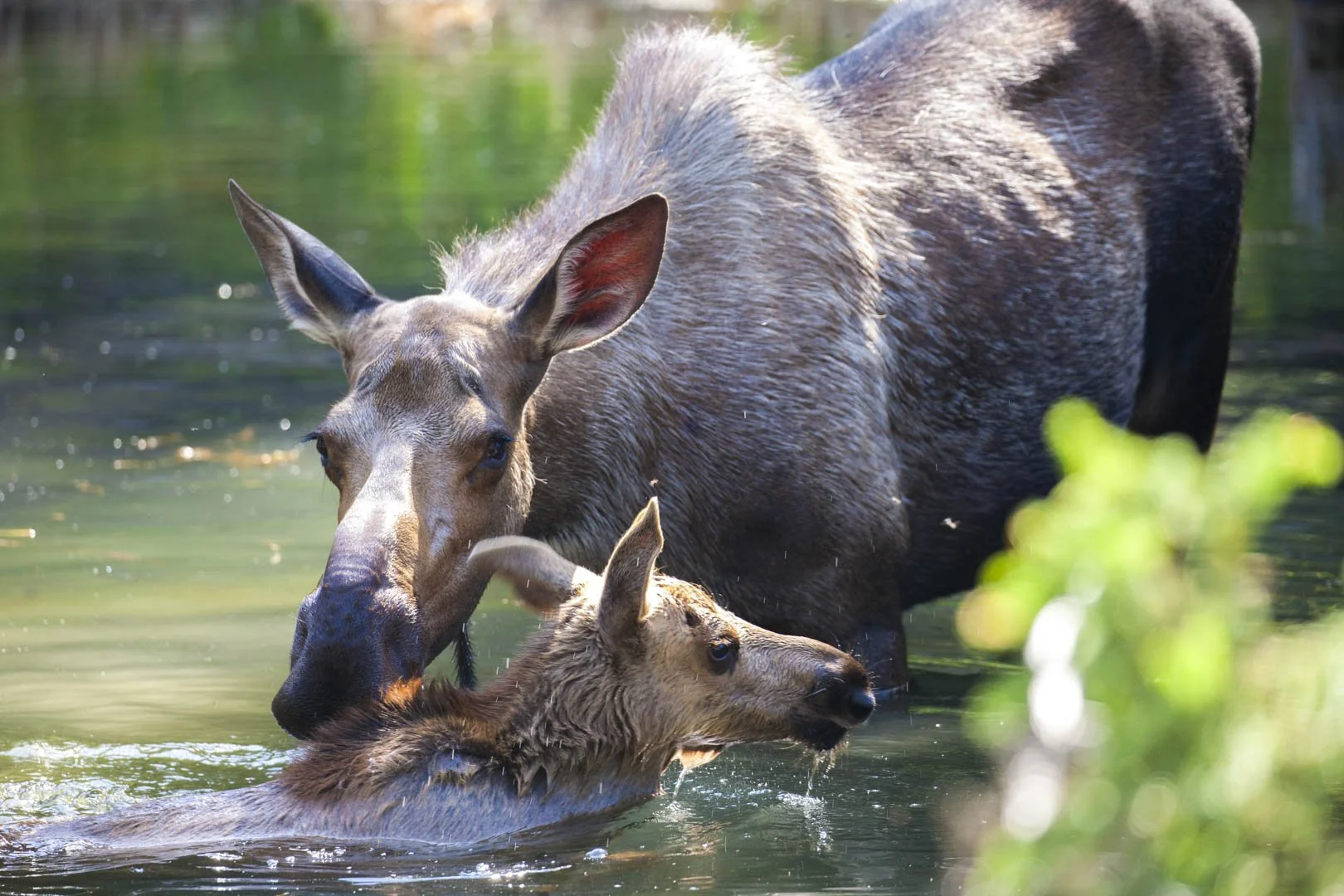
I remember the particular emotion of watching moose in the water, including a mother and her calf. Their presence, their movements and the surrounding environment formed a single scene.
I wanted my photographs to preserve that relationship.
Because protecting wildlife means more than protecting individual animals. It also means protecting the habitats that allow them to live.
Contact:
contact@josephBphotography.com
Columbia Glacier — The Sound I Will Never Forget
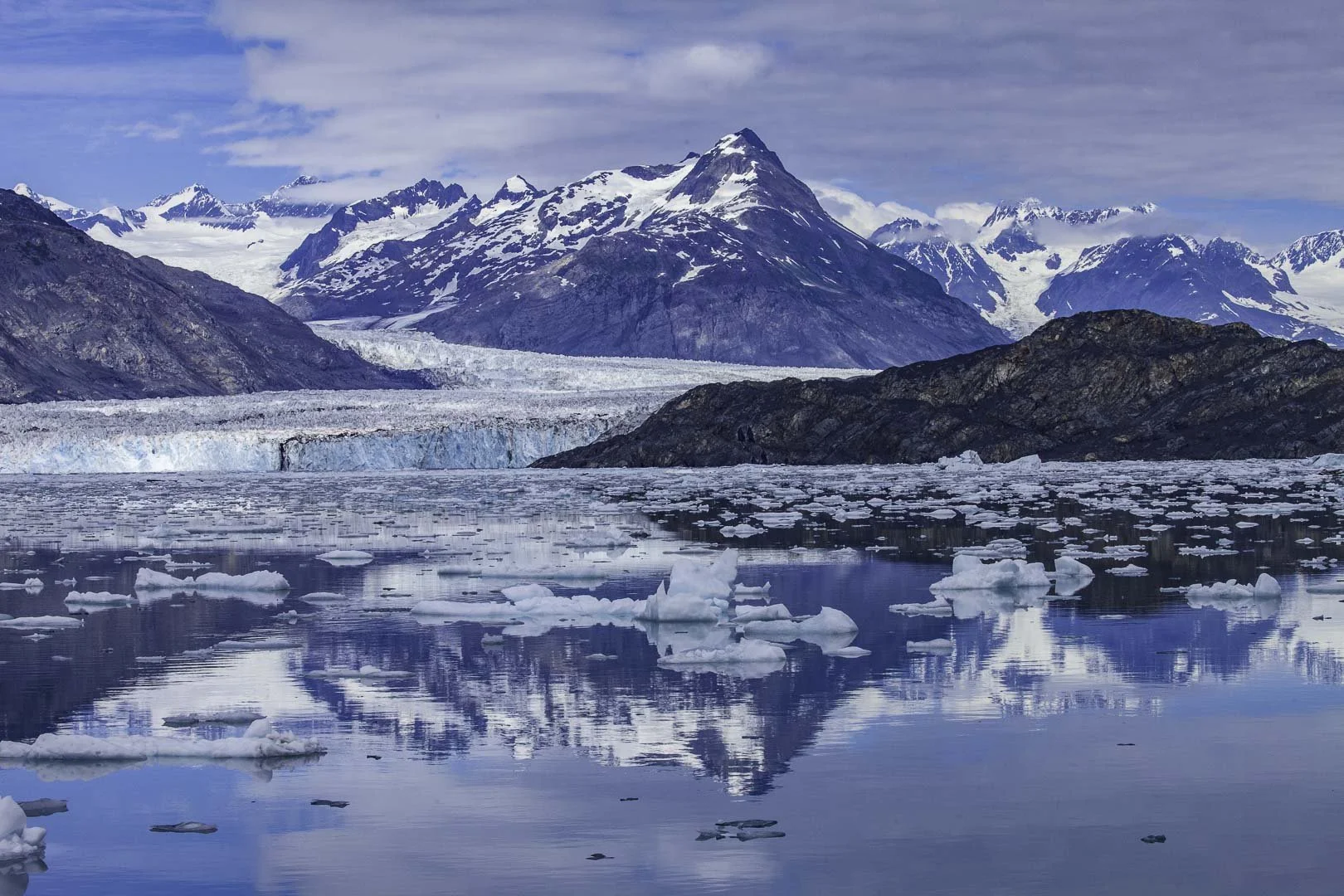
Some experiences remain etched in our memories long after a journey has ended, not only because of what we have seen, but because of what we have heard and felt. Standing before the immense wall of ice at Columbia Glacier, I was about to experience one of those unforgettable moments.
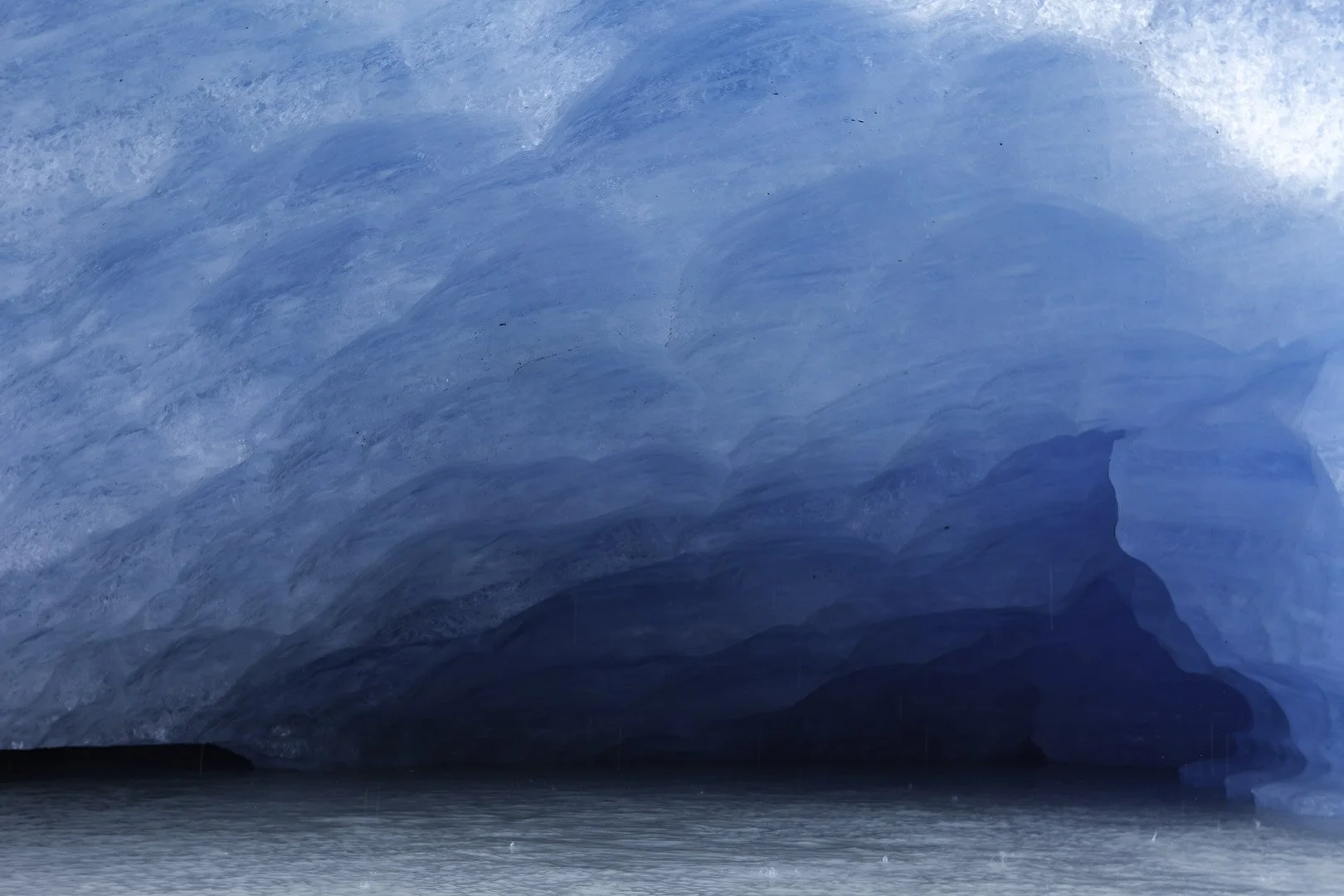
Without warning, a deafening crack broke the silence as a massive section of the glacier fractured and collapsed into the sea. Watching such an enormous volume of ice break away and disappear into the water was both breathtaking and deeply unsettling. The sheer force of the event, the overwhelming sound and the sudden transformation of the landscape created an experience far more powerful than anything I could have anticipated.
I felt extraordinarily privileged to witness such a remarkable natural phenomenon, yet my fascination was accompanied by emotions that were much more difficult to reconcile. Alongside the wonder came sadness, anger and a profound sense of helplessness, as I found myself contemplating not only the extraordinary beauty of the scene, but also the uncertain future of these magnificent landscapes.
Of course, glaciers have always fractured and released ice into the sea. This process, known as calving, is a natural part of their dynamics, and no individual collapse can be attributed directly to climate change. However, the broader scientific evidence is unequivocal: human-induced global warming is causing widespread glacier retreat and accelerating ice loss in many regions of the world.
Knowing this gave the moment an entirely different significance. What I was witnessing was a natural event, but it also brought me face to face with the vulnerability of environments that are undergoing profound changes as our planet warms. The distinction between a single spectacular collapse and the long-term consequences of climate change was clear to me, yet it did nothing to diminish the emotional impact of being there.
For years, I had read about retreating glaciers, rising global temperatures and the consequences of climate change, understanding the science and recognising the seriousness of the warnings. But standing in front of that immense wall of ice, hearing it fracture and watching it fall into the sea, transformed an intellectual understanding into something immediate, tangible and deeply personal.
I had travelled to Alaska hoping to capture the extraordinary beauty of its wilderness, but that moment reminded me that photography can never fully convey the experience of being present. My camera could record the falling ice and the dramatic transformation of the glacier, yet it could not reproduce the deafening sound, the physical intensity of the event or the conflicting emotions it awakened in me.
And perhaps that is why this memory remains so powerful. Beyond the photographs, I brought home the feeling of having witnessed something extraordinary, together with a growing conviction that admiring the beauty of our planet is no longer enough if we are not equally determined to protect its future.
Seals on Melting Ice — A Fragile Balance
Among my most moving encounters in Alaska were seals resting on a small piece of floating ice, surrounded by the vast waters of the fjord. Their peaceful presence contrasted with the fragility of the melting ice beneath them, creating a scene that was both beautiful and deeply unsettling.
As a photographer, I was drawn to the simplicity of the composition, but my thoughts soon turned to the relationship between these animals and their environment. Although seals naturally use floating ice as resting platforms, and this particular scene did not indicate immediate danger, it reminded me how dependent wildlife is on habitats that are increasingly affected by environmental change.
Climate change is transforming polar and marine ecosystems, with consequences that vary between species and regions. Watching those seals, I felt privileged to witness such an intimate moment, yet troubled by the uncertainty surrounding the future of these environments.
The photograph remains precious to me because it captures more than an encounter with wildlife. It reflects a question that followed me throughout the journey: what will remain of these extraordinary places for future generations?
Northwestern Glacier and Exit Glacier — A Landscape in Transformation
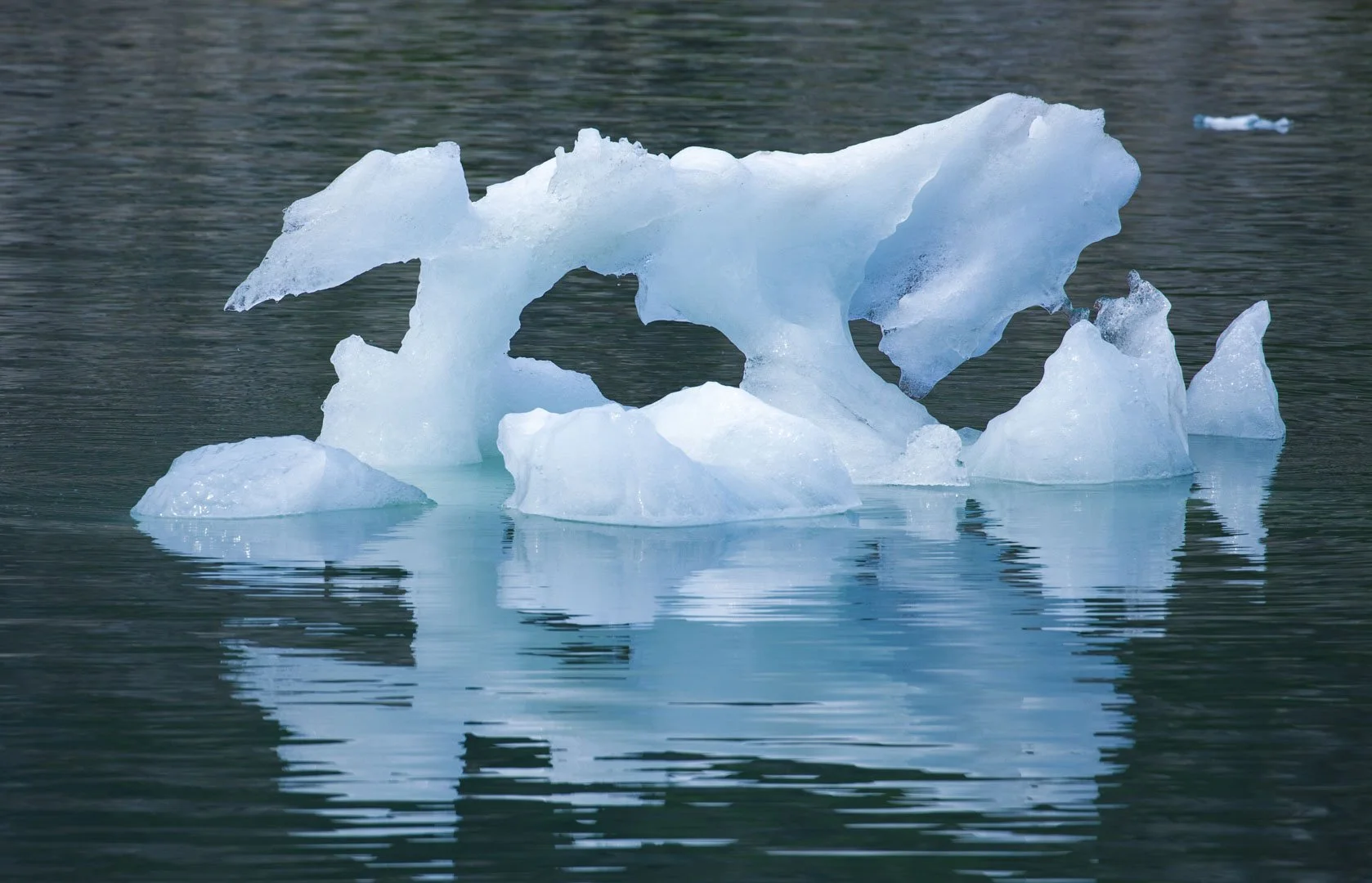
Northwestern Glacier and Exit Glacier revealed another dimension of Alaska's extraordinary landscapes, where ice, rock and water combine to create an endless variety of shapes, colours and textures. As a photographer, I was fascinated by the fractured surfaces, deep blue crevasses and subtle contrasts that sometimes transformed the landscape into an almost abstract composition.
Yet after witnessing the collapse of ice into the sea, I could no longer look at these glaciers solely for their beauty. At Exit Glacier, the retreat of the ice has been documented over decades, offering tangible evidence of how a warming climate is reshaping the region.
The U.S. National Park Service has recorded these changes in Kenai Fjords National Park, providing scientific context for what visitors can observe in the landscape. Understanding this broader reality made my photographic experience more meaningful, as every detail seemed to carry both the beauty of the present and the uncertainty of the future.
Alaska Marine Wildlife — Beauty, Freedom and Vulnerability
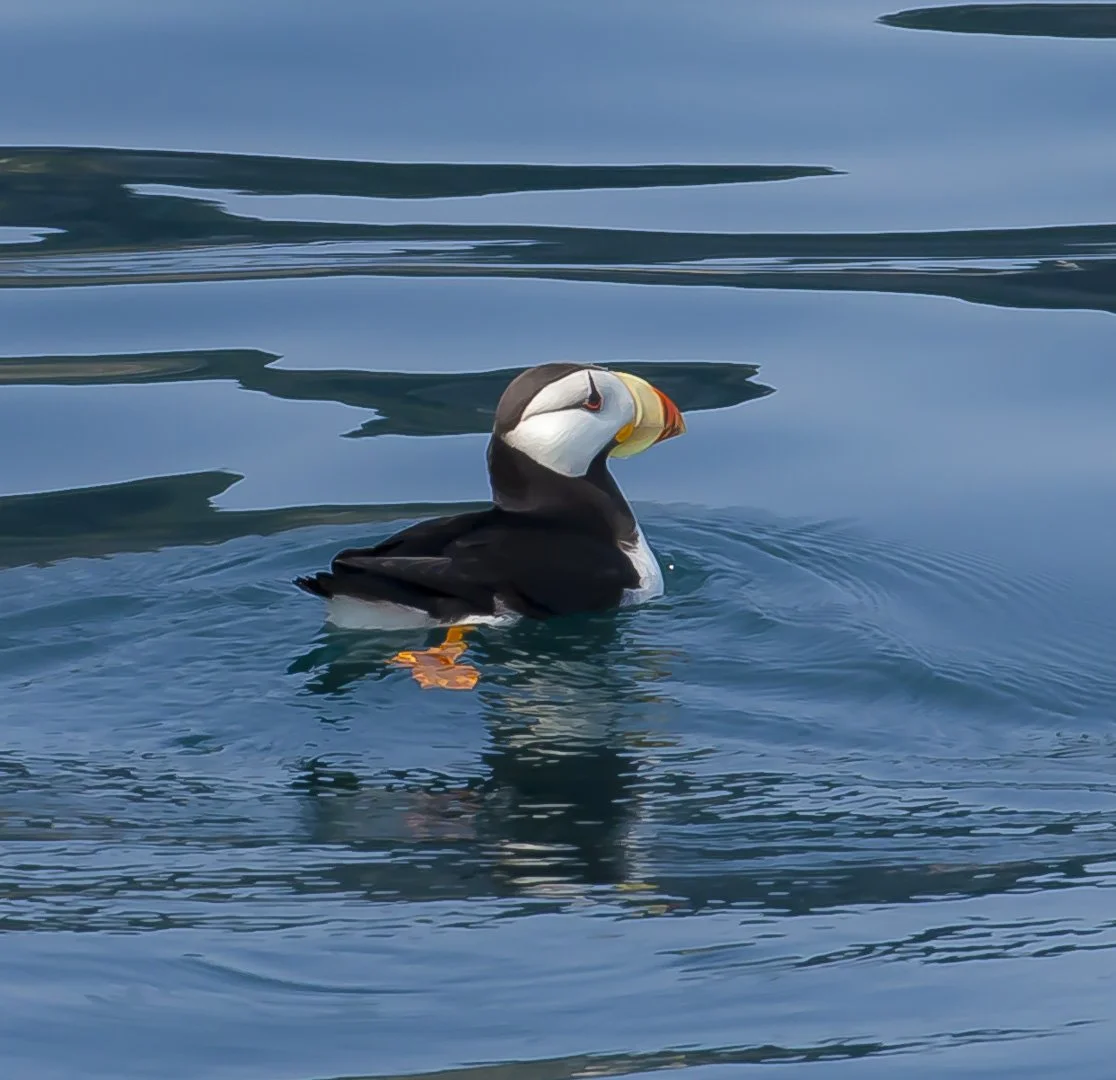
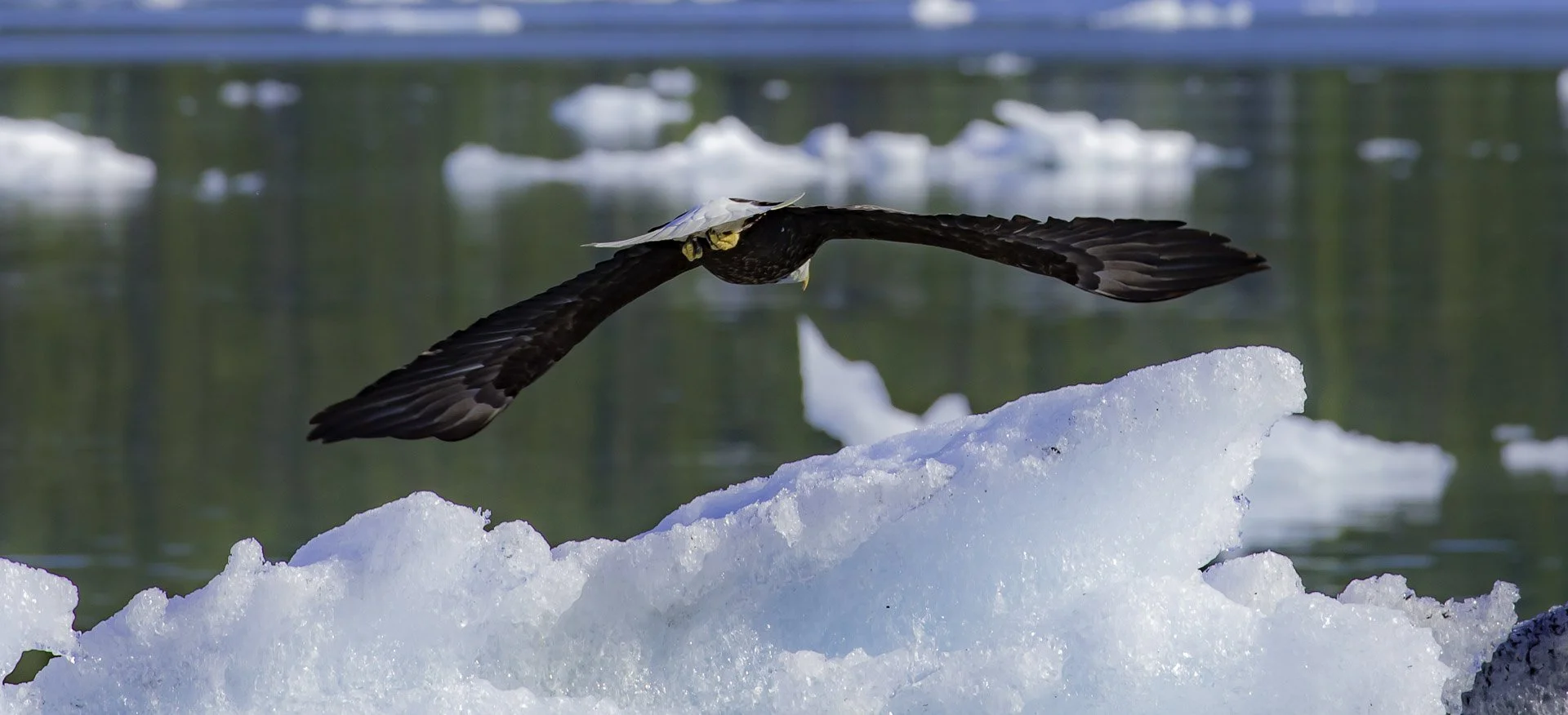
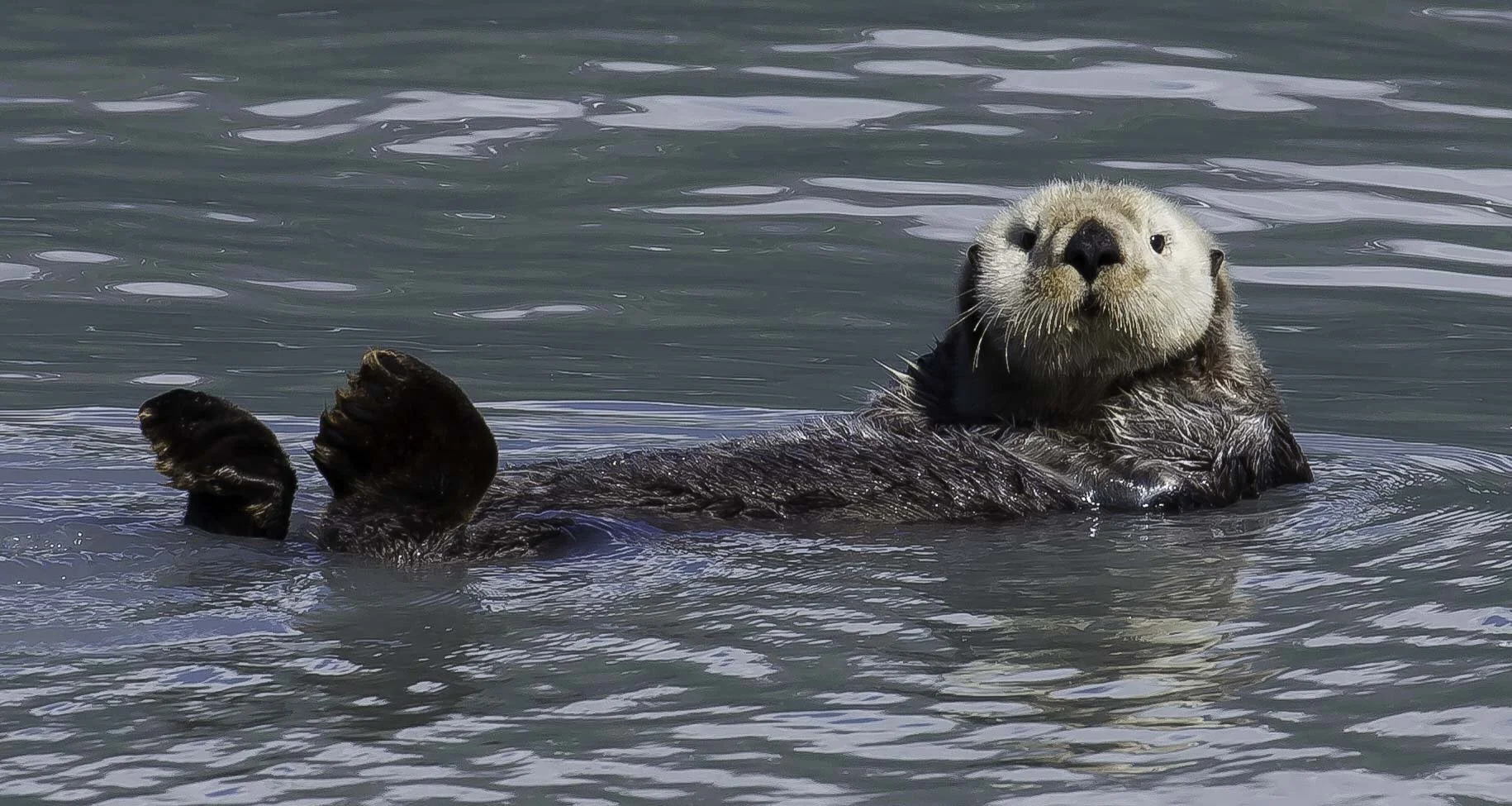
Alaska's coastal waters offered unforgettable encounters with orcas, seabirds, sea lions and sea otters, each revealing a different aspect of the region's extraordinary biodiversity. Photographing these animals required patience and anticipation, as their movements and the constantly changing conditions rarely allowed for predictable compositions.
What moved me most was the freedom of these encounters. The animals were living on their own terms, and I was simply fortunate enough to observe them. Yet their presence also reminded me that wildlife cannot be separated from the ecosystems on which it depends.
As ocean temperatures rise and marine environments change, many species face new pressures on their habitats and food sources. I do not want my photographs to portray every animal as a victim of climate change, but I do want them to encourage a deeper appreciation of the natural world and a greater awareness of our responsibility to protect it.
What Are We Leaving to Our Children?
Throughout this journey, I found myself returning to a question that became increasingly difficult to ignore: what kind of planet are we leaving to our children?
Witnessing a glacier collapse into the sea and observing seals resting on melting ice brought an emotional dimension to a reality I had previously understood mainly through scientific reports. I felt sadness, anger and a profound sense of helplessness, particularly when considering the gap between what we know about climate change and the urgency of our collective response.
Yet I refuse to believe that helplessness should lead to resignation. Scientific evidence makes clear that human activities are driving global warming, but it also shows that our choices today can still limit its future consequences.
We cannot reverse every change already under way, but we can act to reduce further damage. For the generations who will follow us, we must do more, and we must act faster.
Photography as Witness — From Alaska to Fine Art
I travelled to Alaska hoping to photograph its extraordinary wilderness, but I returned with a stronger conviction that photography can do more than celebrate beauty. Although an image cannot reproduce the sound of a collapsing glacier or the emotions of witnessing it, it can encourage viewers to look more closely and reflect on what they see.
That belief connects my Fine Art collections. Fragile Lives explores wildlife and its relationship with the environment, while Earth as Matter reveals the forms, colours and textures shaping our planet. The Invisible Life draws attention to smaller forms of life that are easily overlooked.
Alaska reinforced the connection between these different approaches. The immense glacier and the small fragment of ice supporting a group of seals were part of the same natural world, reminding me that beauty, biodiversity and environmental responsibility cannot be separated.
I hope my photographs can create an emotional connection that encourages others not only to admire nature, but also to recognise the importance of protecting it.
What the Journey Changed: From Awareness to Action
What I brought home from Alaska was not only sadness or concern, but also a renewed determination to act. Witnessing the beauty and vulnerability of these environments made the urgency of addressing climate change feel more personal than ever.
We already know that limiting global warming requires rapid and sustained reductions in greenhouse gas emissions. Individual choices matter, but meaningful progress also depends on collective action, ambitious policies and changes across the systems that shape our societies.
As a photographer, I can contribute by sharing what I witnessed and encouraging others to look beyond the beauty of an image. I believe that awareness becomes truly valuable when it inspires responsibility and action.
We cannot afford to admire the beauty of our planet while remaining indifferent to its future.
Explore More of the USA
Alaska — Wildlife and Glacial Landscapes
Discover Alaska through its wildlife, vast wilderness and glacial landscapes.
USA National Parks — Landscapes of the American West
Explore my photographs of the American West, from the Grand Canyon and Monument Valley to Bryce Canyon, Arches and Yellowstone.
New York — Urban Photography
Explore a different side of the United States through the architecture, streets and urban energy of New York City.
Explore the Fine Art Collections
Explore the Albums by theme - Wildlife, macro photography, landscapes, astrophotography and other visual explorations.
Explore the Albums by place - Photographic journeys across Europe, Asia, Africa, the Americas and Oceania.
-
![Blue glacier ice reflected in the calm waters of an Alaskan fjord, creating an abstract composition of light and colour.]()
Blue Reflection
-
![Puffin in their natural coastal habitat in Alaska.]()
Puffin
-
![Bald eagle spreading its wings as it takes off from a floating piece of ice in Alaska.]()
Bald eagle spreading its wings
-
![Sea otter floating on its back in the cold coastal waters of Alaska.]()
Sea Otter
-
![Sculptural blue iceberg with natural openings and curved surfaces floating in the waters near Columbia Glacier, Alaska.]()
Melting Glacier Sculpture
-
![Vast mountain landscape in Denali National Park, Alaska, with snow-covered peaks and open wilderness.]()
Denali National Park
-
![Young moose swimming through the water in Denali National Park, Alaska.]()
Baby Moose
-
![Moose mother and calf together in their natural wetland habitat in Denali National Park, Alaska.]()
Moose family
-
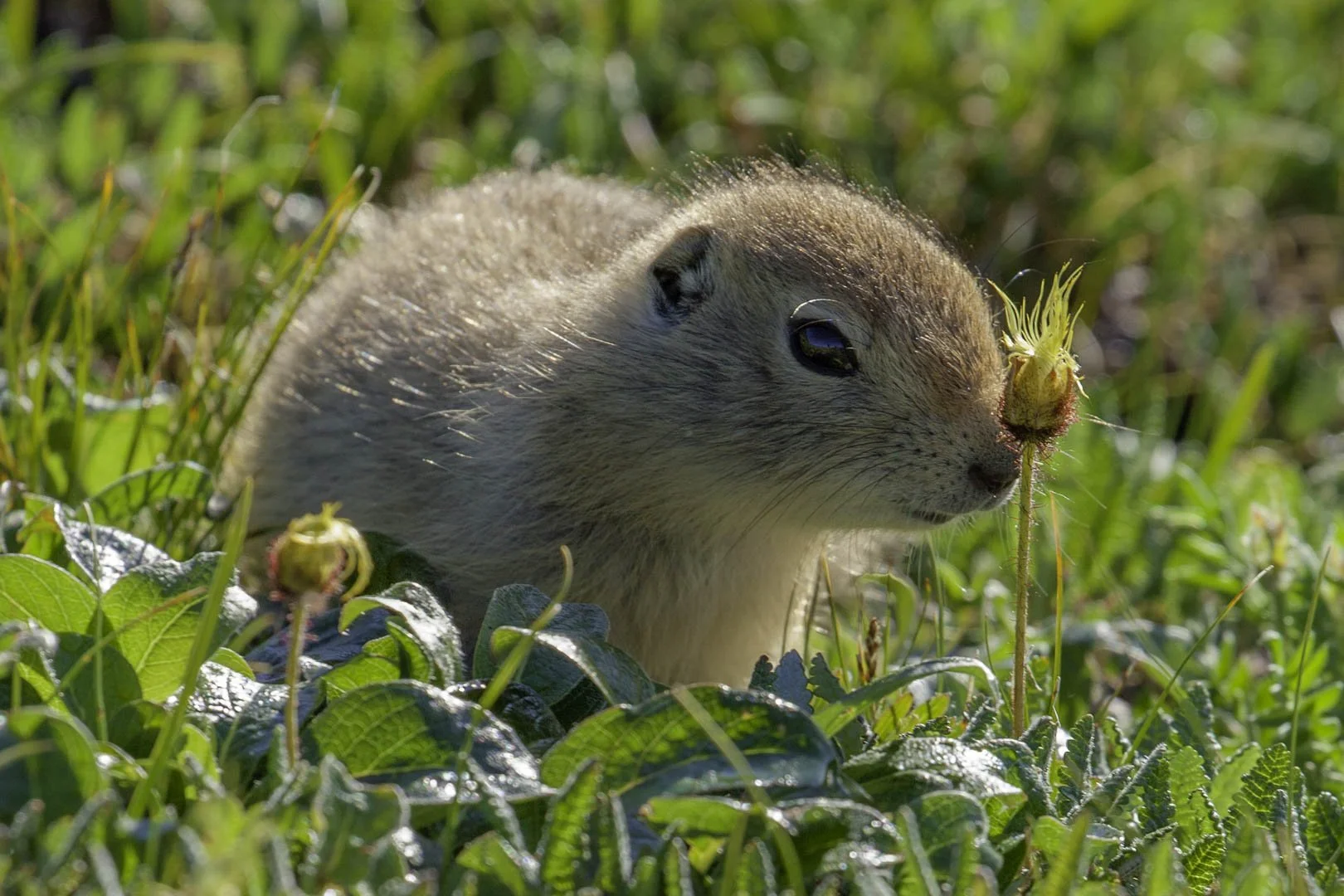
![Ground squirrel in its natural tundra habitat in Denali National Park, Alaska.]()
Ground squirrel
-
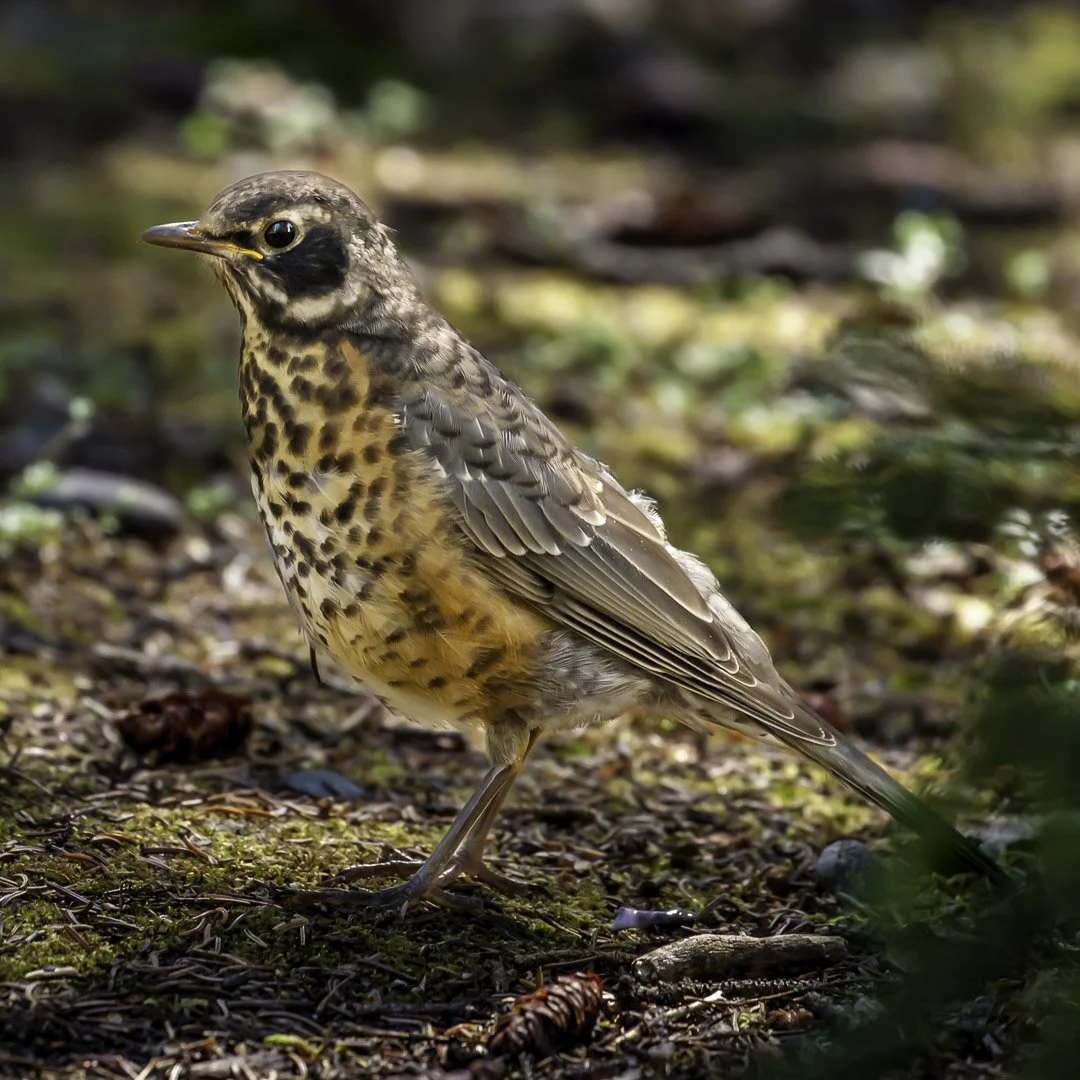
![American robin in its natural habitat in Denali National Park, Alaska.]()
American Robin
-
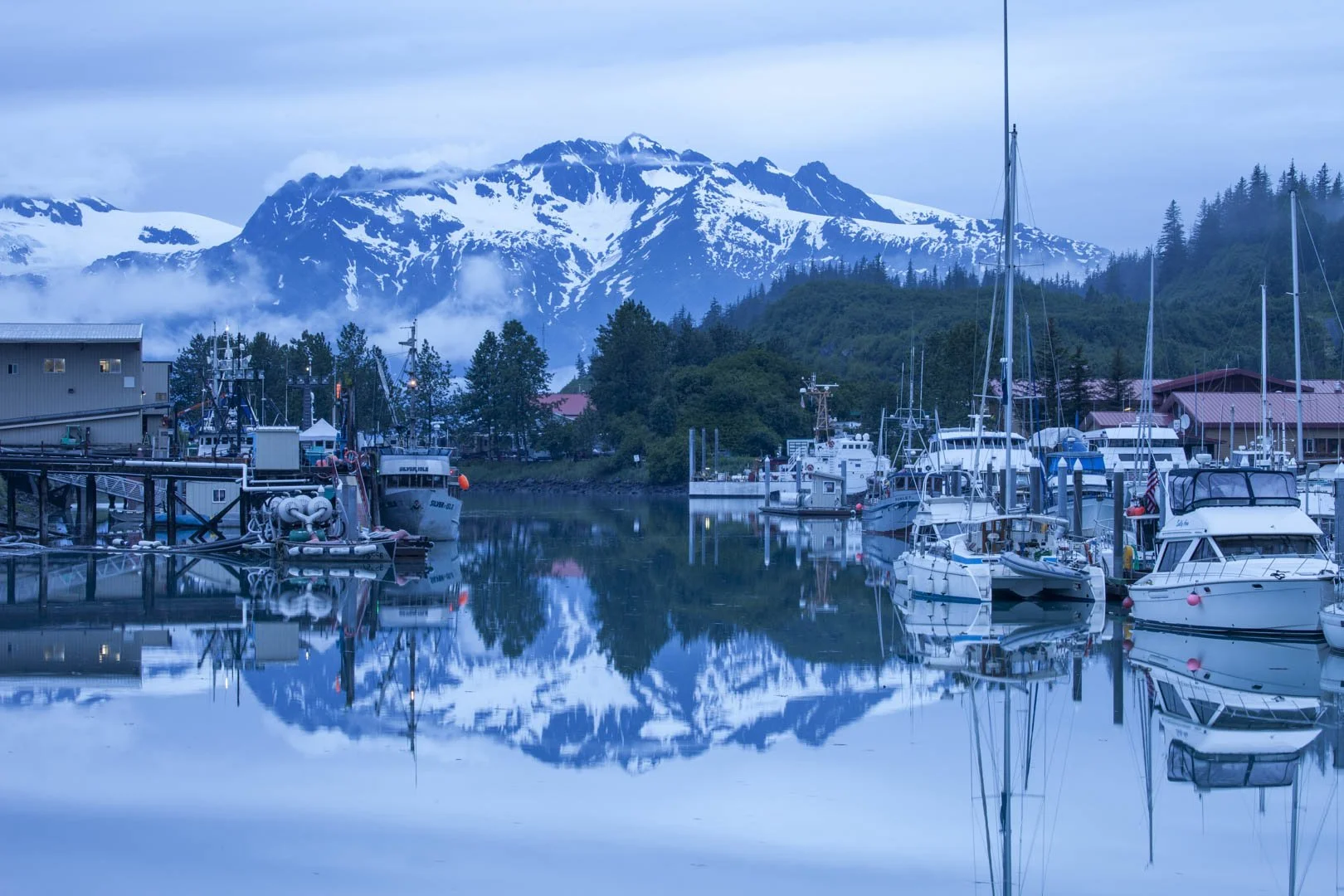
![Scenic view of Valdez Harbour in Alaska, surrounded by mountains and coastal waters.]()
Valdez harbour
-
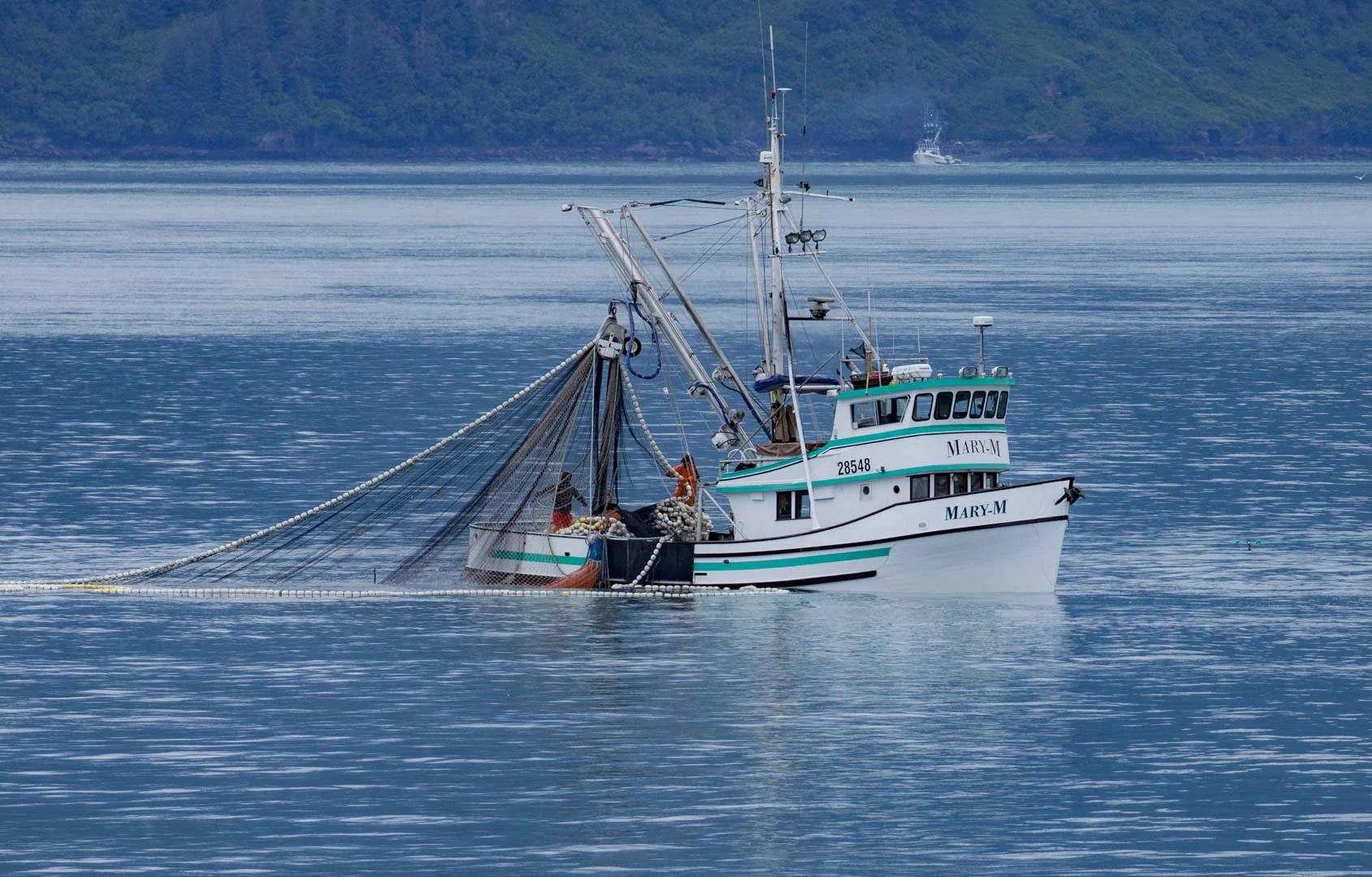
![Fishing boat in the harbour of Valdez, Alaska, surrounded by the mountainous coastal landscape.]()
Valdez fishing boat