My Journey Through the USA National Parks:
Sun, Stone & Wild Wonders
The United States’ National Parks are windows into the raw power and beauty of nature. Each park tells a story carved over millions of years, from desert mesas to glacier-fed rivers, from fiery sunsets to night skies ablaze with stars.
Traveling here was not just sightseeing. It was an immersion into the pulse of nature, a journey where every sunrise, shadow, and wildlife encounter became a lesson in patience, observation, and wonder.
Before visiting, I thought I understood wilderness. I didn’t. Every canyon, arch, and geyser showed me that landscapes are alive, and that photography is not just about images but about capturing a feeling, a moment, a memory that transports the viewer.
Contact:
josephb.photography1@gmail.com
At a Glance: My USA National Parks Photography Journey
Focus: Landscapes, wildlife, geological formations, textures, and night photography
Style: Authentic, emotional, immersive — letting scenes unfold naturally
Conditions: Golden hour, harsh sun, fog, snow, and starry nights
Inspiration: Geology, wildlife, light, colors, vastness, and human connection with nature
Goal of this post: Share my journey, photography insights, and the experiences behind each park
Grand Canyon National Park – Immense Horizons and Eternal Light
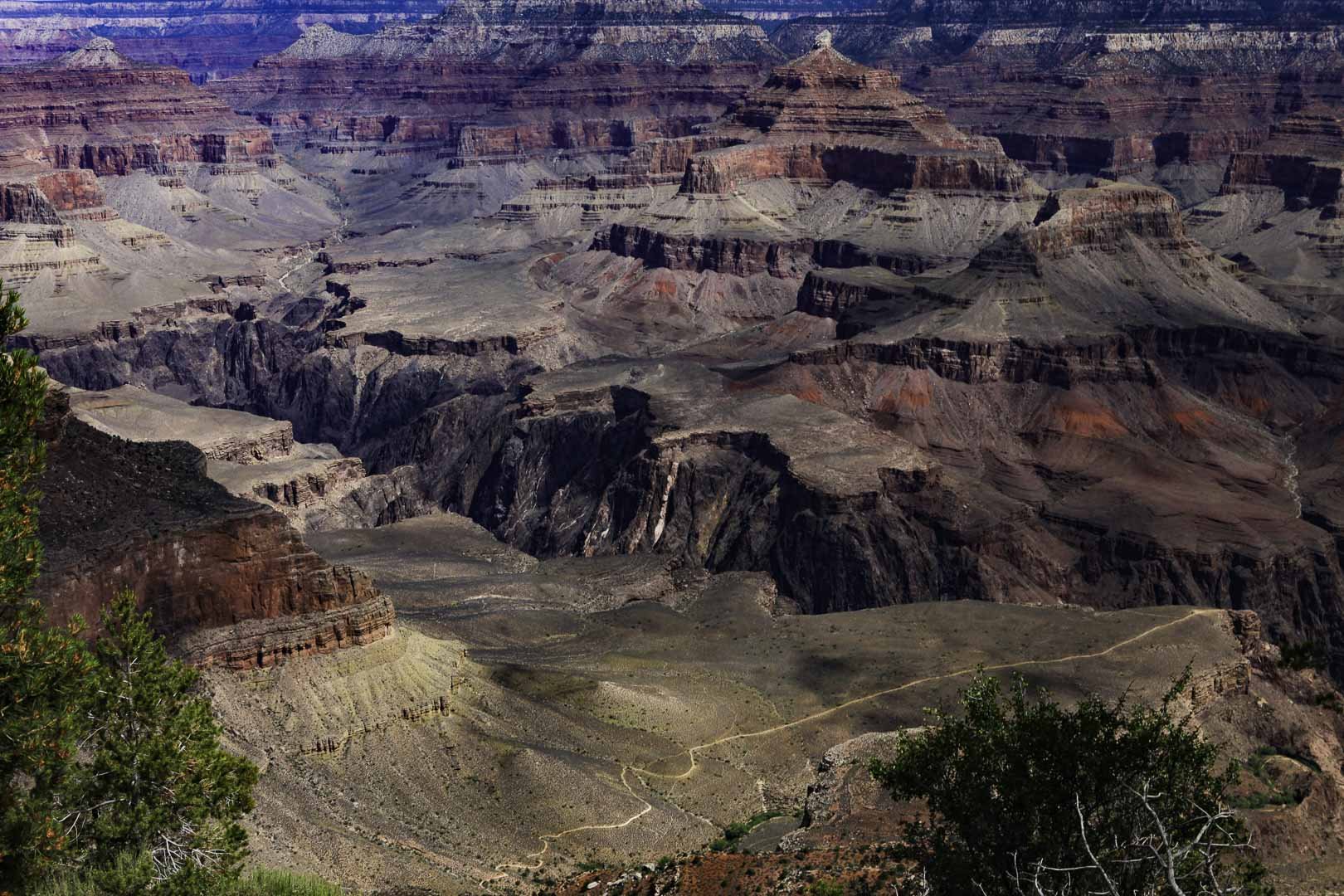
Standing at the edge of the Grand Canyon, I felt both awe and humility. The canyon stretches endlessly, layers of rock painting a story millions of years in the making. Every ridge, plateau, and crevice seems to shift with the sunlight, revealing colors I never thought possible — from deep reds and purples to golden highlights at dawn and sunset.
Exploring the South Rim, I discovered countless viewpoints, each offering a unique perspective on the canyon’s grandeur. Bright Angel Trail gave me a more intimate experience, descending into the layers of the canyon and observing the interplay of shadow and light. Even a short hike brought new textures and compositions for photography — jagged cliffs contrasting with smooth river curves below.
The North Rim, quieter and less visited, offered a sense of solitude that deepened my connection with the landscape. Here, the canyon feels endless and untouchable, a reminder of nature’s immensity. Capturing this through my lens required patience: waiting for the sun to fall just right on a particular ridge, or for clouds to drift and soften harsh light.
Photography at the Grand Canyon is more than framing wide vistas. It’s about noticing details — fragile plants clinging to canyon walls, the patterns carved by erosion, and the way morning mist drifts through the depths. Each image tells not only the story of the landscape but also of a personal journey through light, scale, and emotion.
Canyonlands National Park – Desert Labyrinths
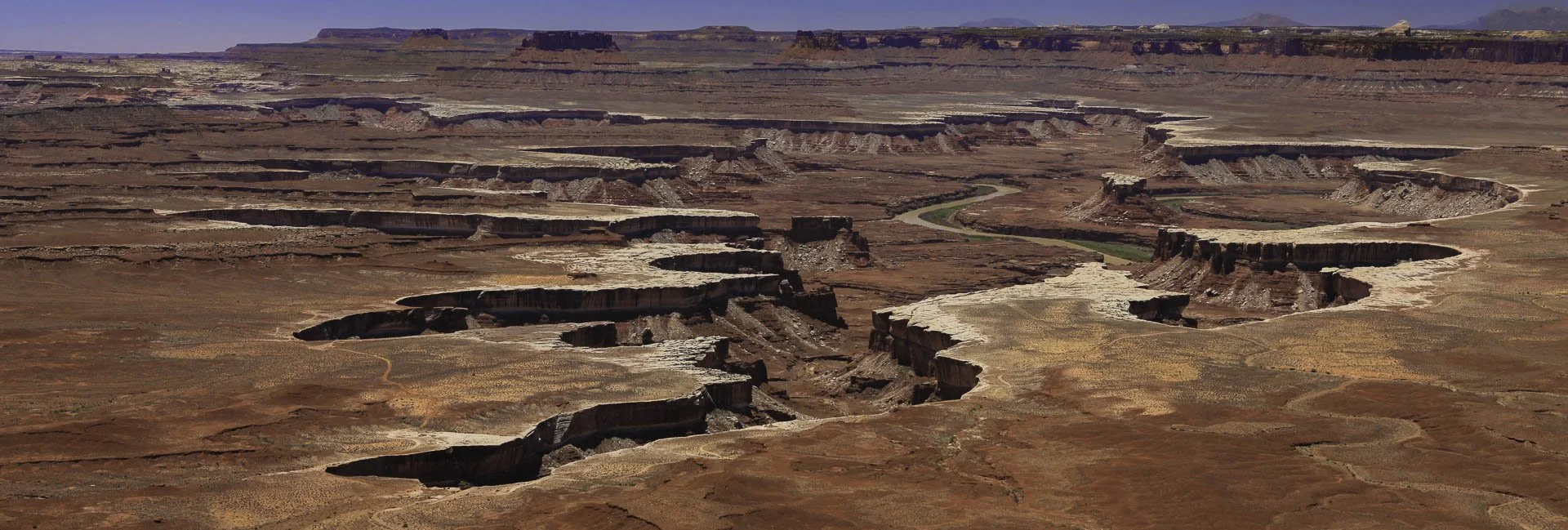
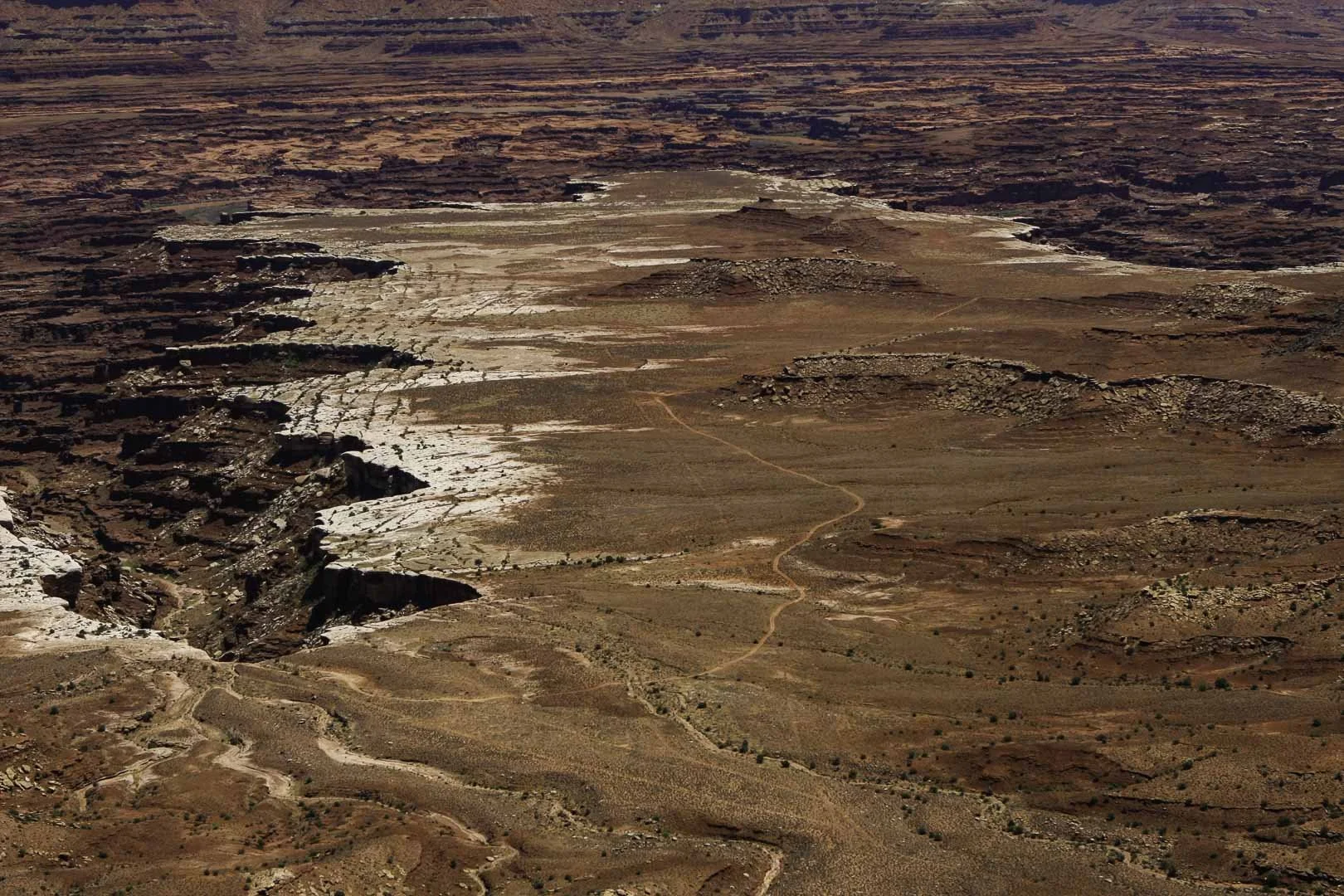
Canyonlands is a landscape that invites exploration and reflection. Vast mesas, deep canyons, and sculpted sandstone create a natural labyrinth, where each turn reveals a new panorama. The quietude of this desert park allows the mind to wander, and the camera to capture intricate details that tell the story of time, wind, and water.
Photography here demands patience and curiosity. Shadows carve dramatic lines across red sandstone, while the Colorado and Green rivers meander quietly through the canyons below. Sunrise and sunset transform the park — warm light illuminates mesas, while long shadows add depth and texture.
Hiking to remote overlooks, I discovered hidden viewpoints that few visitors see, offering a sense of discovery and solitude. Photographing these landscapes became an exercise in balancing scale and detail — capturing the grandeur of the canyons while honoring the delicate features that make them unique.
At night, Canyonlands takes on a different magic. The dark sky reveals countless stars, and the silhouettes of mesas and cliffs become poetic shapes against the cosmos. For photographers, it’s a reminder that wilderness is not just a daytime spectacle, but a canvas for both imagination and skill.
Monument Valley – The Iconic Desert Stage
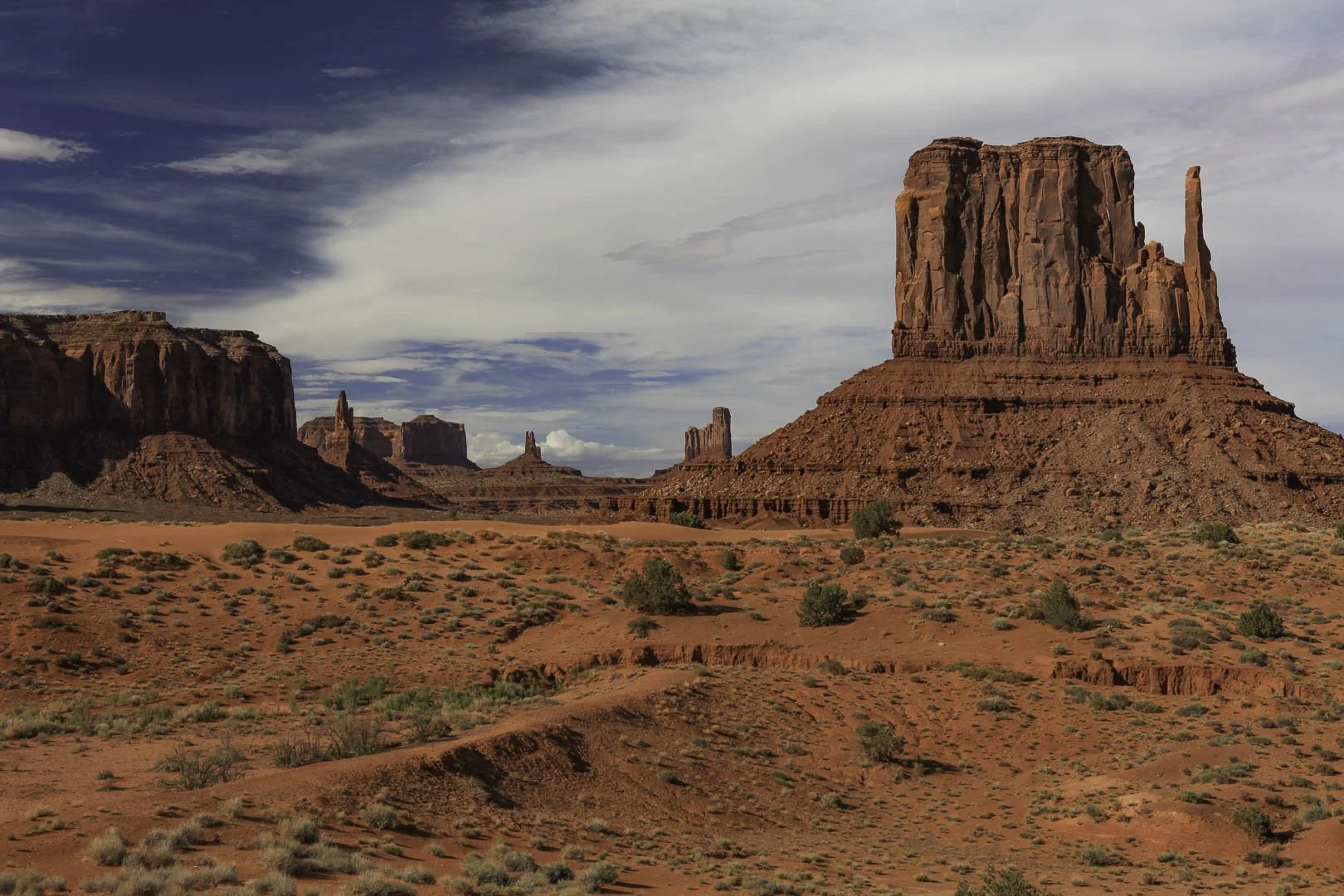
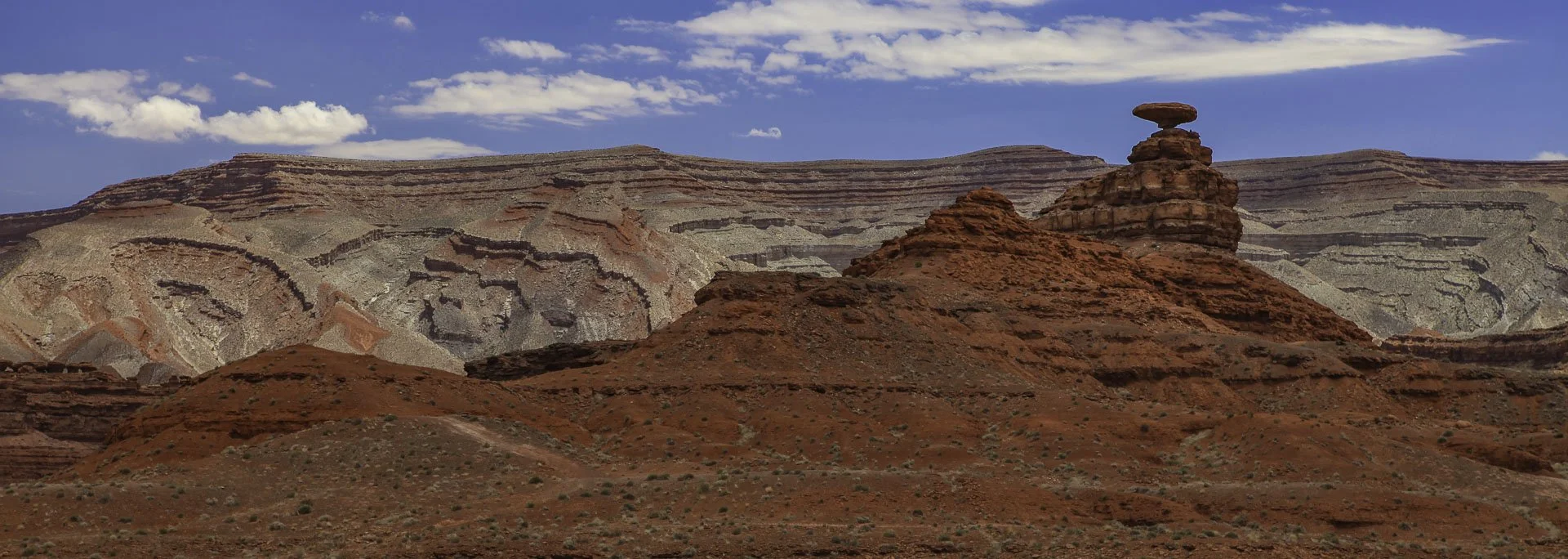
Monument Valley is instantly recognizable — towering sandstone buttes rising from a desert floor, seemingly frozen in time. Every shadow and sunbeam transforms the landscape, creating dramatic compositions that are a dream for photographers.
Driving the valley roads at sunrise and sunset, I felt the rhythm of light guiding my camera. The isolation and scale of the buttes make every shot feel cinematic, and the ever-changing desert sky adds a dynamic backdrop to each frame.
Beyond the visuals, Monument Valley offers cultural depth. The Navajo Nation governs the land, and interactions with local guides and residents enrich the journey. Their stories, traditions, and artistry bring human texture to a landscape that could otherwise feel untouchably remote.
For photographers, the lesson here is patience and timing. Waiting for light to fall just right on a solitary butte, or capturing dust swirling around a desert road, transforms a familiar scene into a visual narrative that resonates long after the moment has passed.
Arches National Park – Nature’s Sculpted Masterpieces
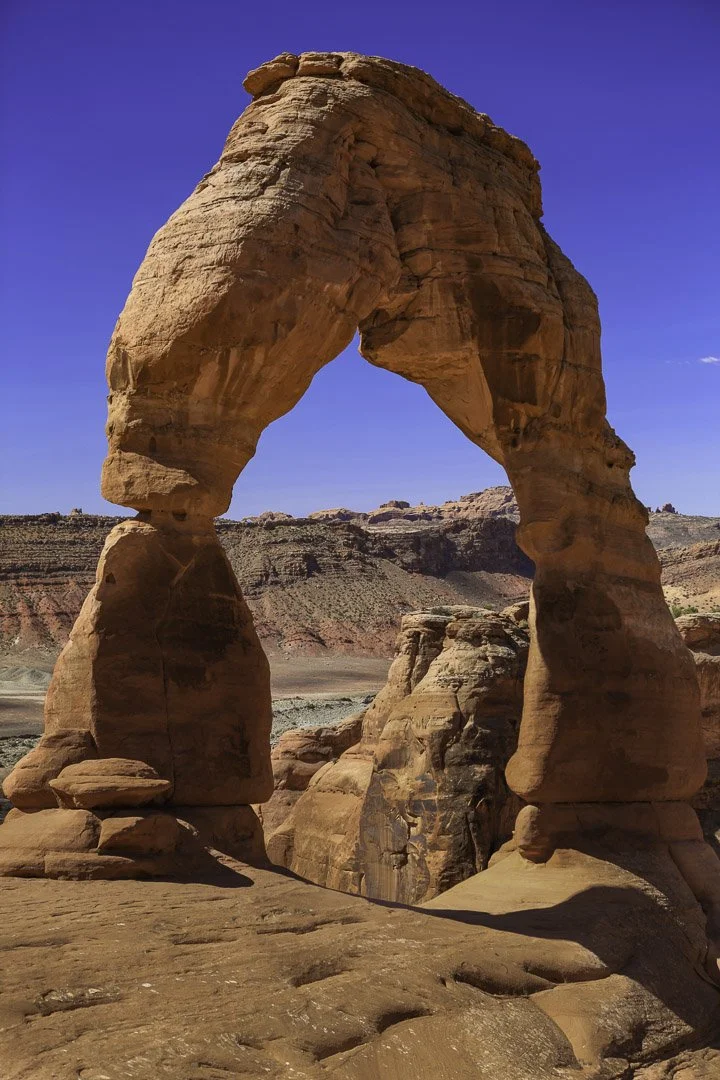
Arches National Park is a playground for any photographer or traveler who loves the drama of natural rock formations. Walking among its sandstone giants, I felt the weight of time and the delicate balance of nature sculpted over millions of years.
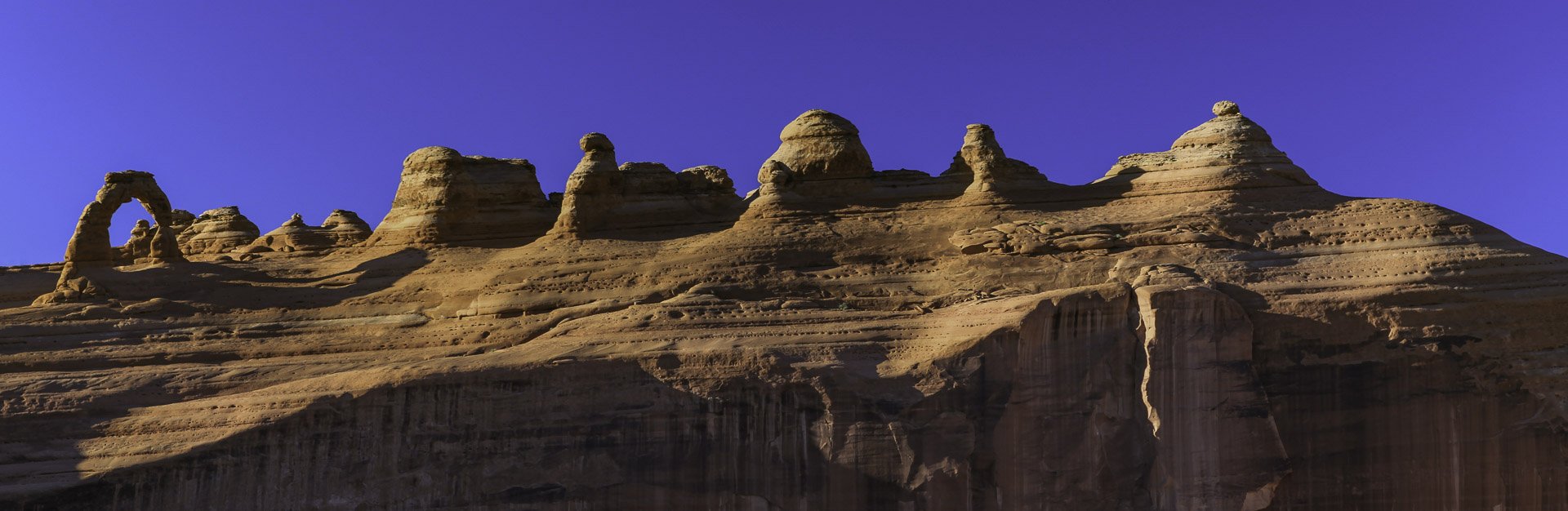
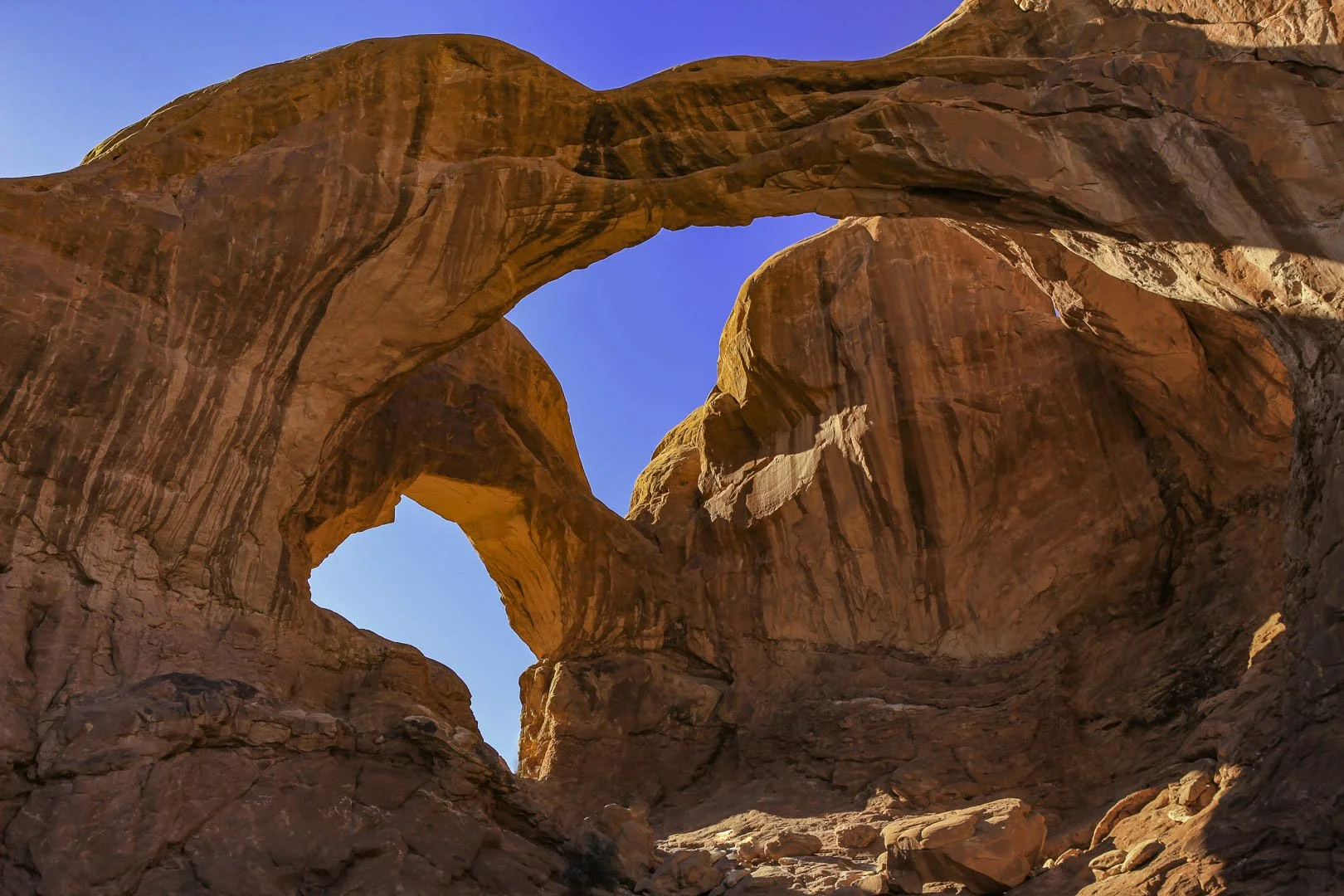
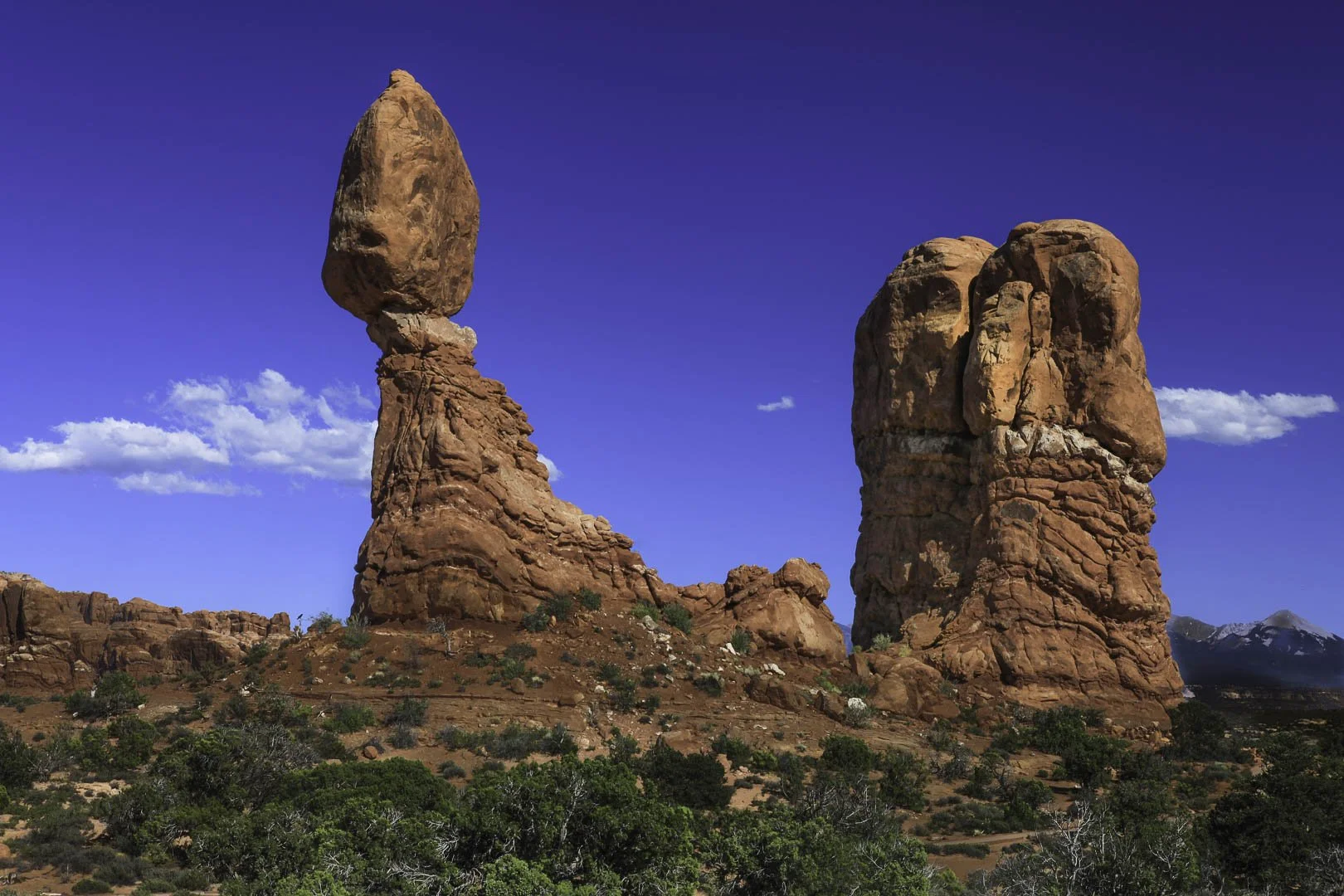
The park’s iconic formations, from Delicate Arch to Double Arch and Balanced Rock, are more than just geological wonders—they are storytellers of the desert landscape. Every angle, shadow, and curve changes with the light, offering endless possibilities for composition. Sunrise and sunset are magical here; the warm, red-orange glow transforms the arches into glowing silhouettes, while midday light brings out intricate textures in the rock.
Hiking trails take you close to the arches, where you can frame shots against open desert skies, rugged cliffs, and distant canyons. Even casual strollers find themselves mesmerized by the towering spires, narrow fins, and arches that seem almost impossible to balance. Photography here is a lesson in patience, perspective, and scale: the closer you get, the more the rocks dominate the frame; stepping back, you see the sweeping desert expanses.
Arches National Park also invites exploration beyond the obvious. Lesser-known arches, hidden windows, and narrow slot canyons reward those willing to wander off the main paths. The constant interplay of light and shadow, the vivid hues of the sandstone, and the wide-open skies make this park a sanctuary for capturing both grand vistas and intimate details.
Bryce Canyon National Park – Forests of Stone and Stars
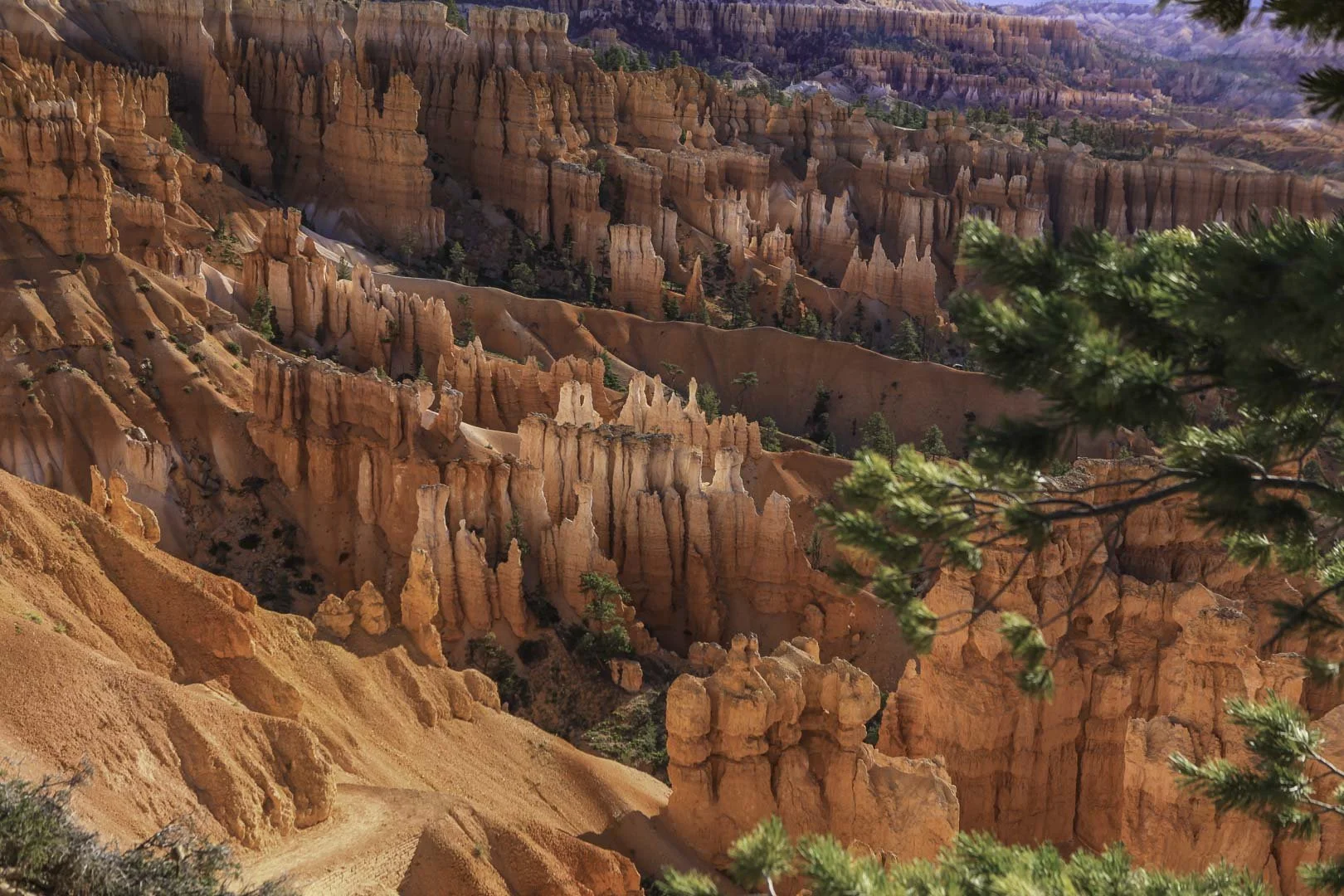
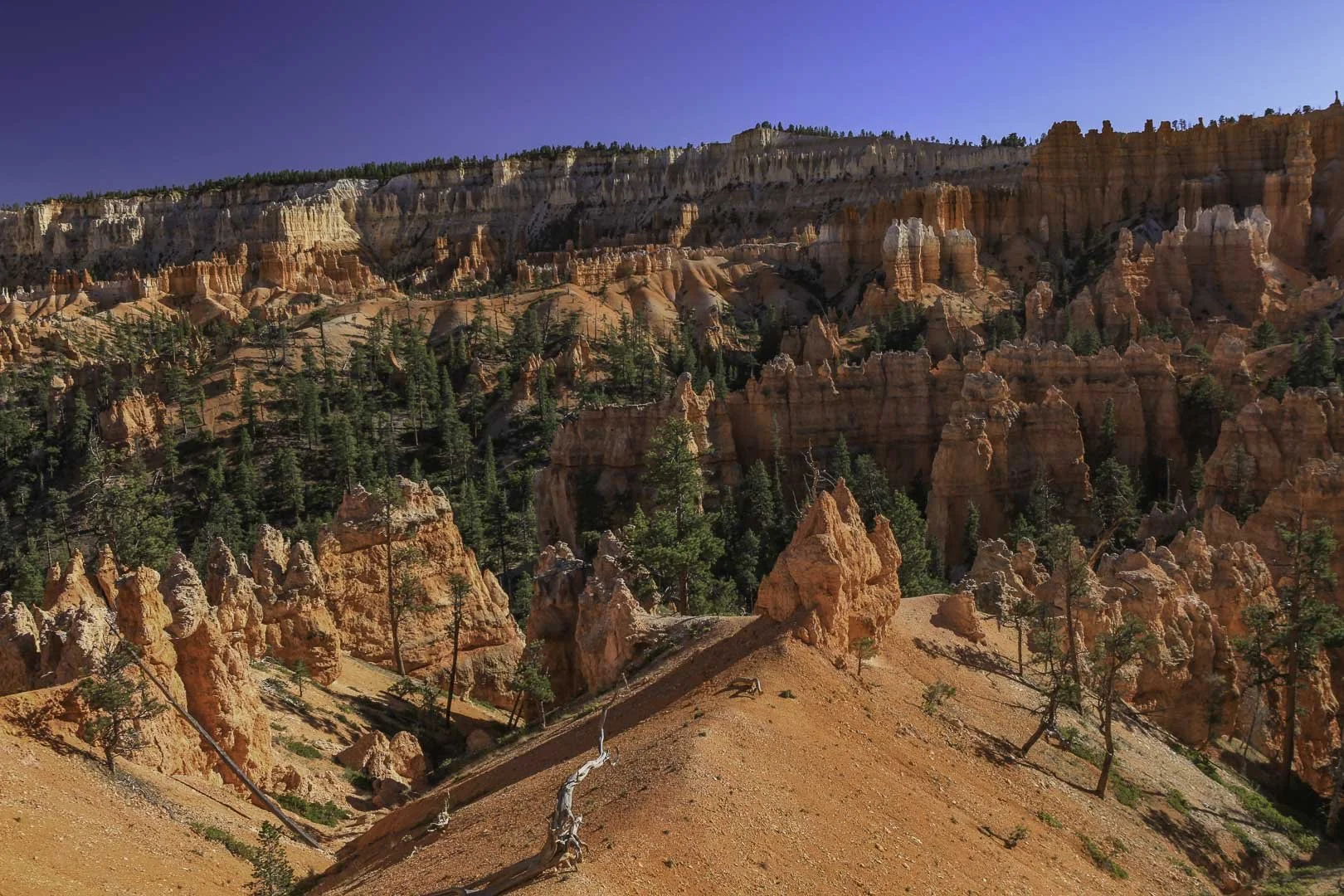
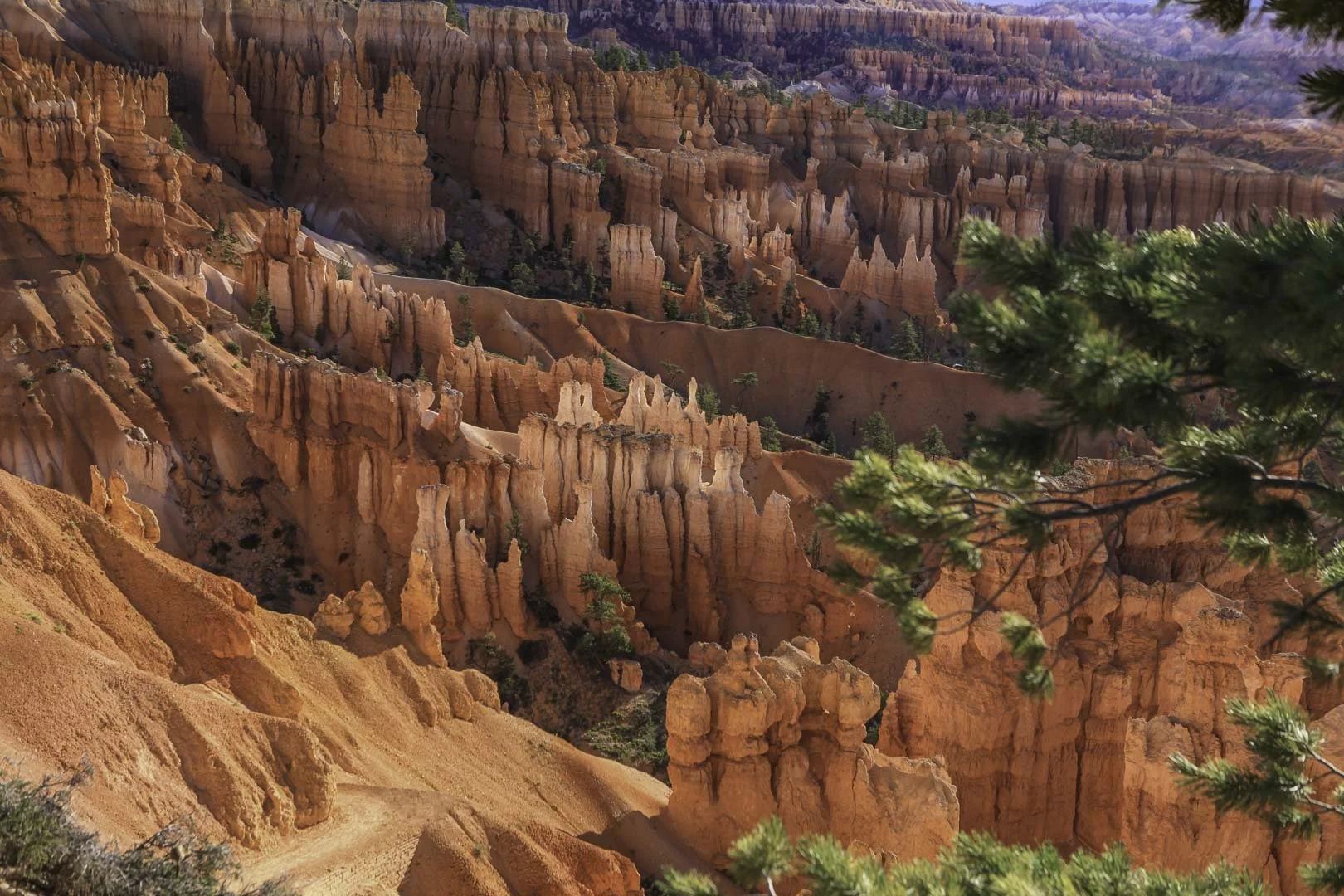
Bryce Canyon feels otherworldly. Hoodoos rise from the earth like stone sentinels, creating a “forest” of spires that cast long, dramatic shadows. Sunrise paints the hoodoos in fiery hues, while midday light brings out intricate textures in the rock.
Walking the rim trails, every turn offered new compositions. I was struck by the sense of scale — how tiny humans seem against these towering formations. I spent hours framing shots of hoodoo clusters, balancing wide-angle vistas with intimate details of textured stone.
Night photography in Bryce Canyon is magical. The Milky Way stretches over the hoodoos, and the crisp desert air makes the stars sparkle with clarity. For me, capturing the night sky here became a meditation in patience, skill, and wonder.
Beyond photography, Bryce Canyon teaches humility and curiosity. Every spire tells a story of erosion, water, and time, and standing among them reminds you that nature works on a scale far beyond human perception.
Yellowstone National Park – Fire, Ice, and Life
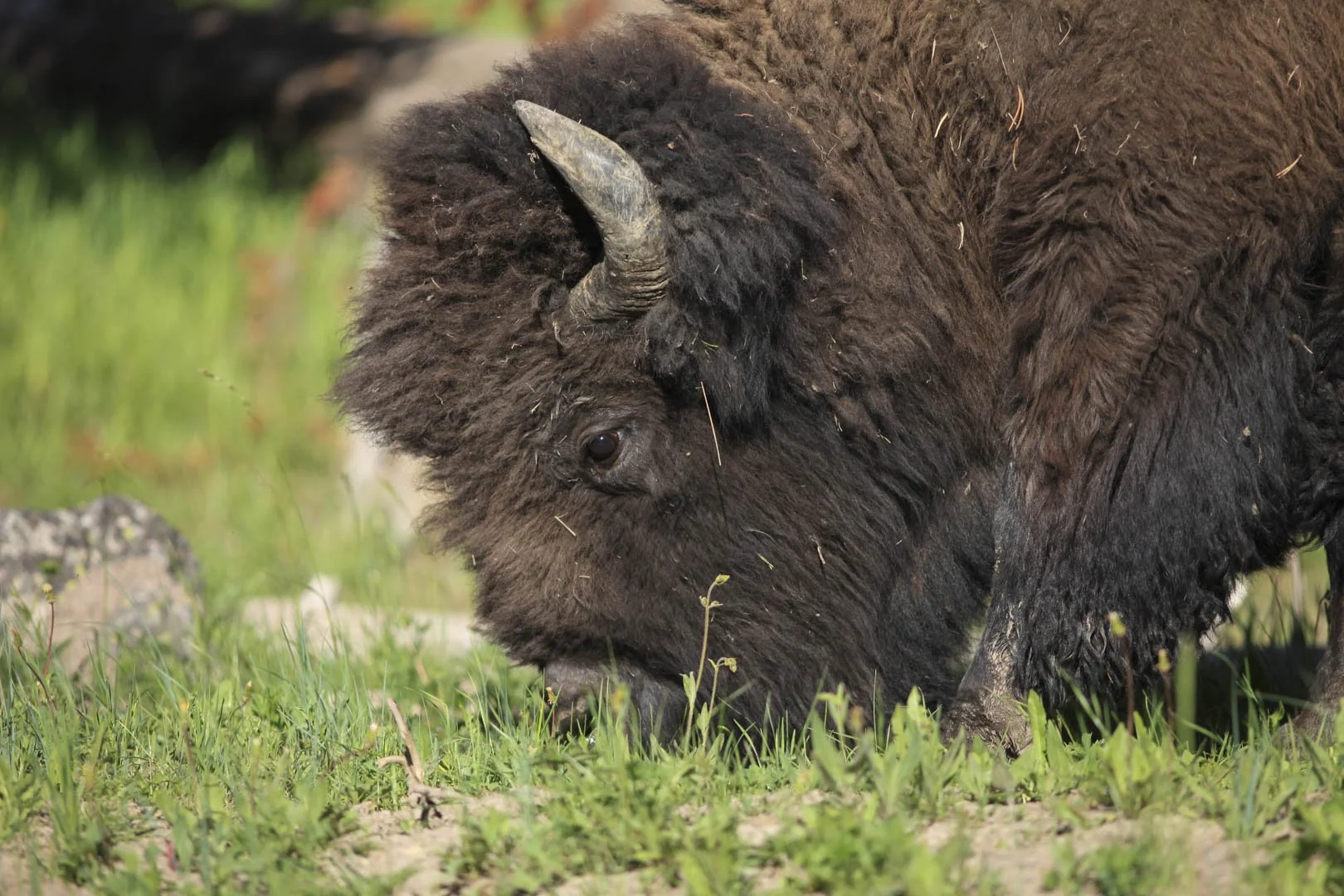
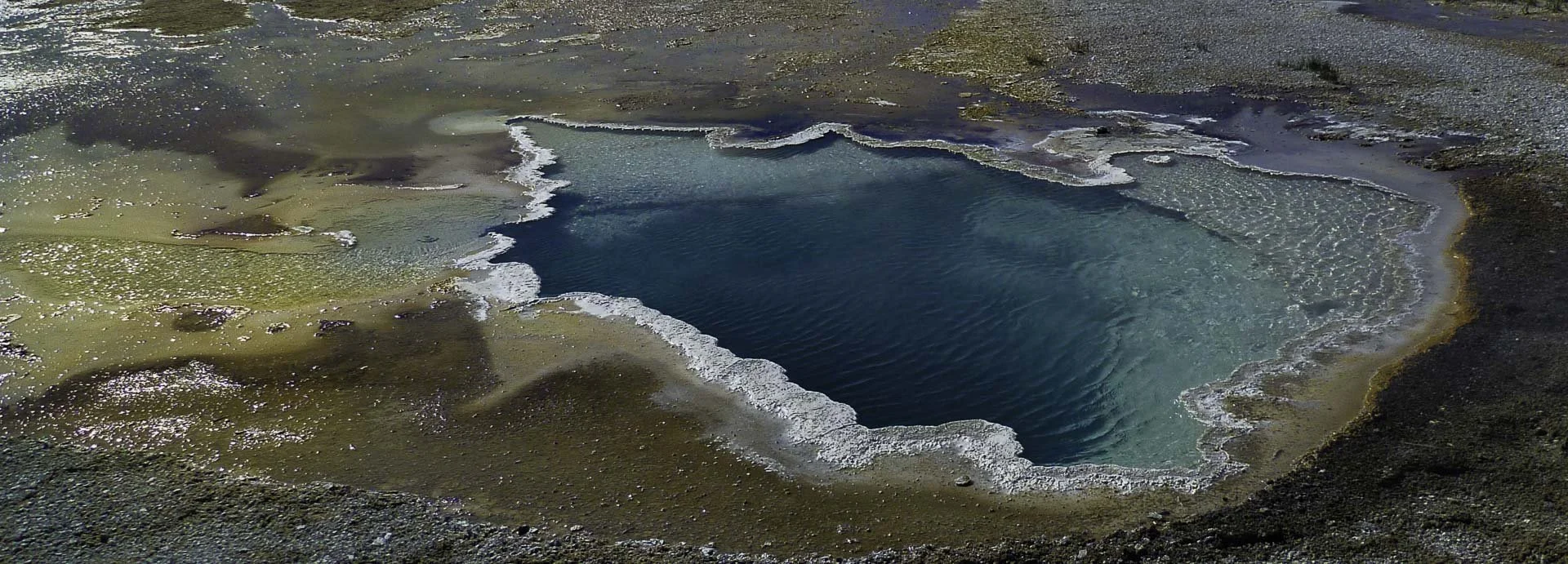
Yellowstone is a land of contrasts. Steaming geysers, colorful hot springs, snow-capped peaks, and abundant wildlife make it a photographer’s dream. The park’s geothermal features are like nothing else on earth, while its rivers and meadows host bison, elk, bears, and eagles in their natural habitats.
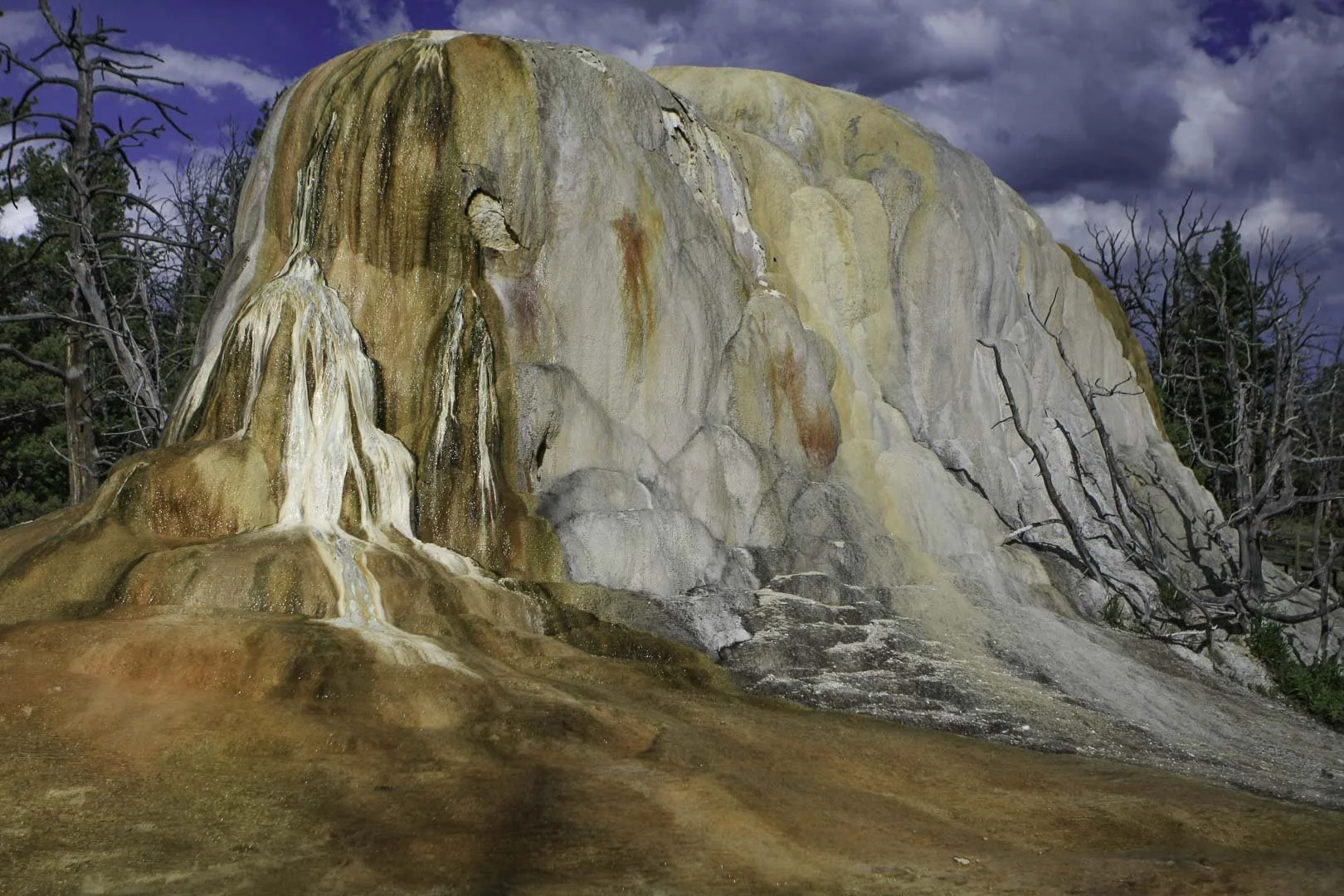
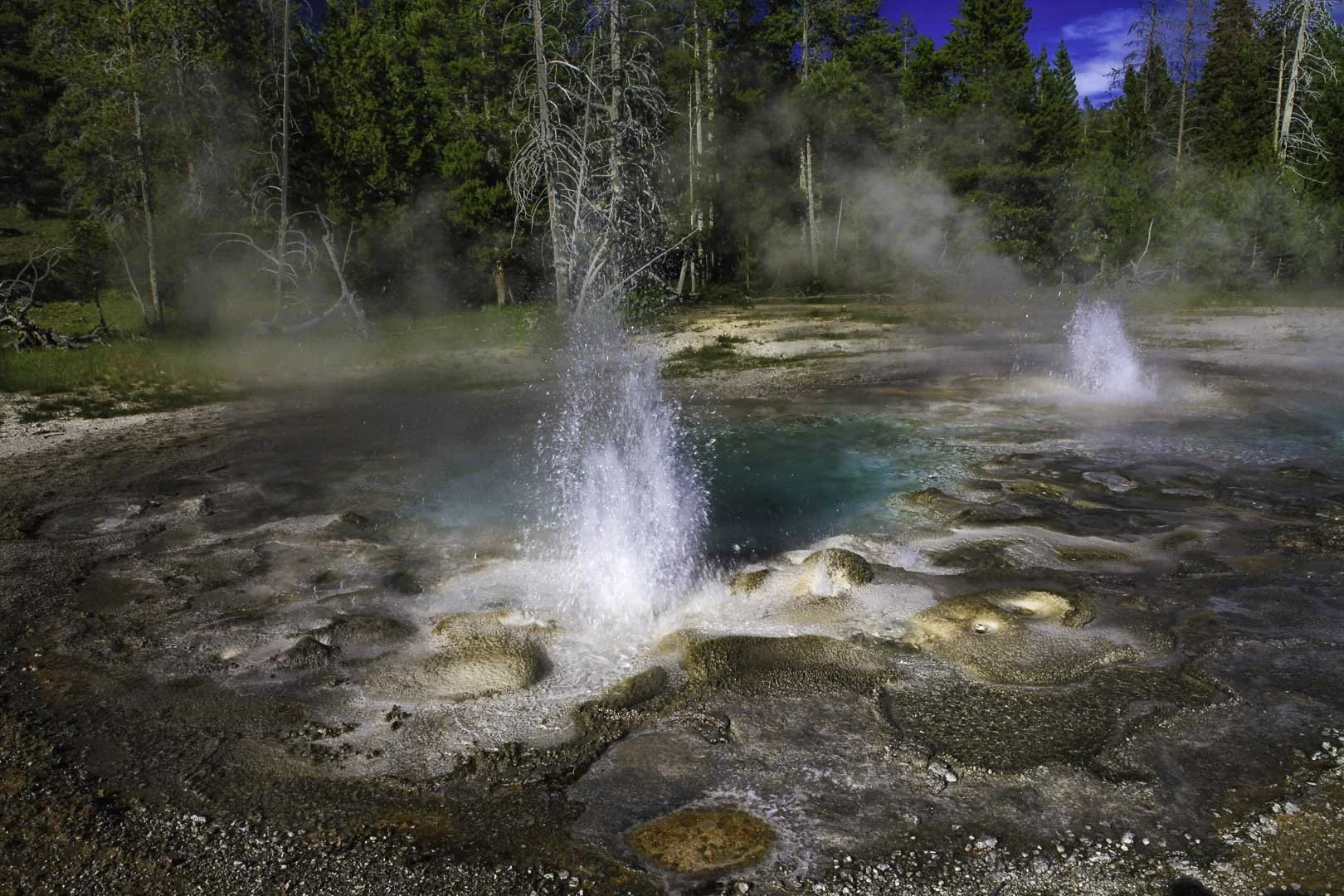
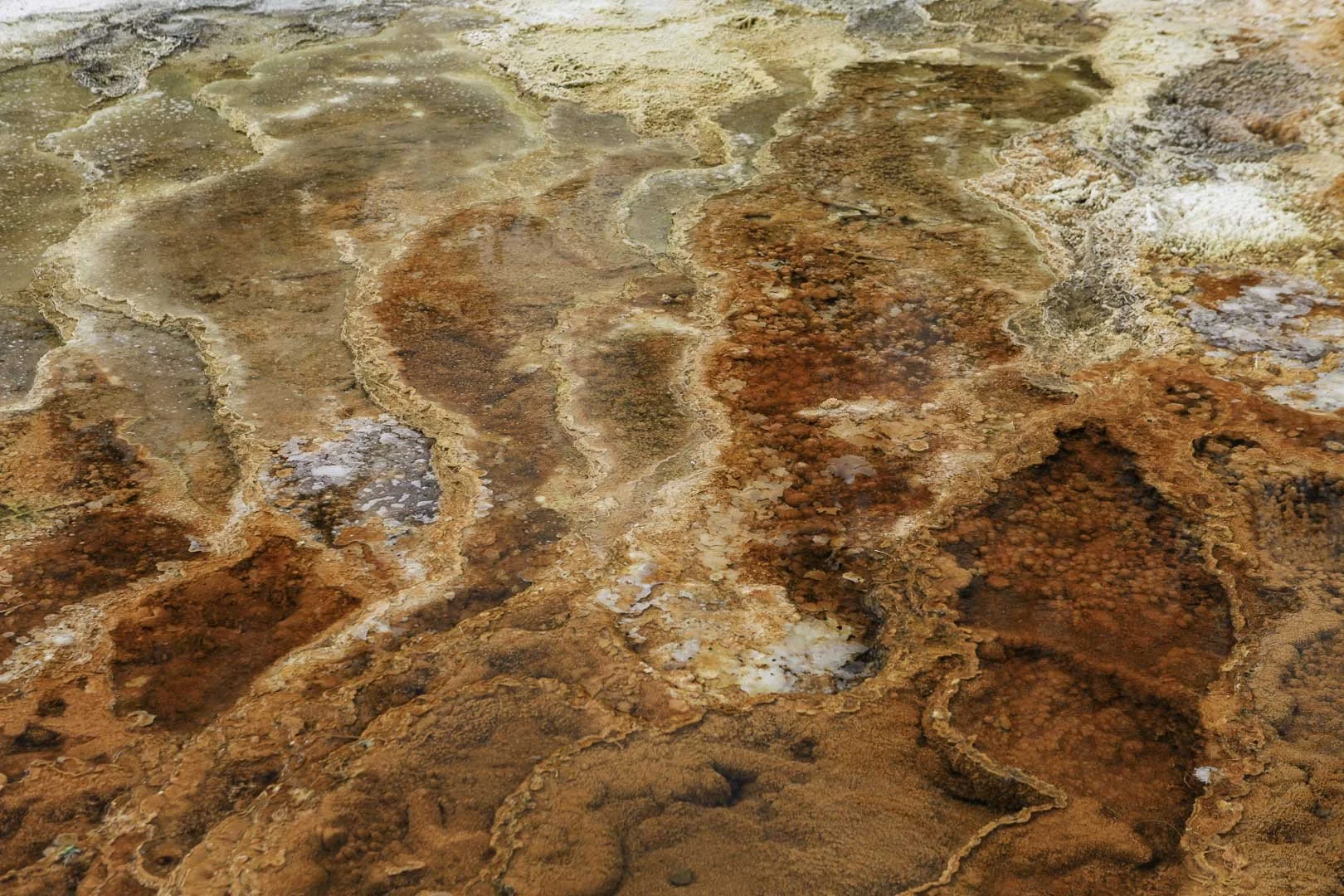
Old Faithful eruptions demand timing and anticipation, while the vibrant mineral terraces of Mammoth Hot Springs challenge you to capture patterns, color, and texture without overwhelming the viewer. Wildlife photography adds unpredictability and excitement — each encounter requires observation, patience, and respect.
Exploring Yellowstone is also about understanding the delicate balance of nature. I watched bison wander across morning mist, capturing their reflections in calm pools. I photographed elk against fiery sunset skies, learning to frame movement and stillness simultaneously.
Beyond the obvious sights, Yellowstone is about moments — quiet reflections by a river, steam rising in the cool dawn, and the subtle interplay of light and shadow on the land. These are the images that stay with you long after the visit.
How USA National Parks Changed My Photography
This journey transformed my vision of light, scale, and storytelling. Traveling through such vast and varied landscapes forced me to slow down, observe more carefully, and rethink how I approach every frame.
Light
I learned to embrace every condition — harsh desert sun, foggy mornings, glowing golden hour, and deep star-filled nights. Instead of waiting for “perfect” light, I began working with what nature offered in each moment. Harsh midday sun revealed textures and contrast in rock formations, while soft dawn light brought calm and subtlety to vast landscapes. Even night photography became a way to extend the story beyond daylight, connecting land and sky in a single frame.
Scale
The immense landscapes demanded new visual strategies. Wide-angle lenses helped convey the overwhelming size of canyons and valleys, while careful foreground elements gave the viewer a sense of place within the scene. In some moments, stepping back and simplifying the composition proved more powerful than trying to include everything. Learning when to show scale — and when to suggest it — became an essential part of my photographic language.
Patience
Wildlife encounters, erupting geysers, drifting clouds, and changing desert light reminded me that nature does not follow schedules. I learned to wait, to anticipate rather than chase moments. Often, the strongest images came after long periods of stillness — watching, listening, and allowing the scene to unfold naturally instead of forcing a photograph.
Texture & Detail
Beyond the grand vistas, the parks taught me to pay attention to details. Eroded rock, mineral patterns around hot springs, ripples in water, and subtle color shifts became subjects in their own right. These smaller elements add depth to the story, revealing the complexity and intimacy of landscapes that might otherwise feel overwhelming in scale.
Emotion
Most importantly, I understood that landscapes are not just visual subjects. They evoke emotion — awe, solitude, calm, and sometimes humility. Capturing these feelings became more important than documenting a place exactly as it appears. Photography turned into a dialogue between what I saw and what I felt, creating images that reflect personal experience as much as physical reality.
Traveling through these parks reinforced that photography is about storytelling, observation, and patience. Every moment — a quiet sunrise, rising mist, a distant animal, or a shadow stretching across stone — became a lesson in seeing more deeply and creating images that linger in memory long after the journey ends.
-
![Orange mineral spring mound at Mammoth Hot Springs in Yellowstone National Park with layered travertine formations]()
Orange Mineral Spring Mound
-
![Celestine Pool hot spring in Yellowstone National Park with vivid blue water and mineral edges]()
Yellowstone - Celestine Pool
-
![Geyser erupting in Yellowstone’s Lower Geyser Basin with steam rising into the sky]()
Yellowstone Lower Basin Geyser Eruption
-
![Layered travertine formations at Mammoth Hot Springs in Yellowstone National Park]()
Yellowstone - Mammoth Hot Spring
-
![Mexican Hat rock formation near Monument Valley rising above the desert landscape]()
Monument Valley Mexican Hat
-
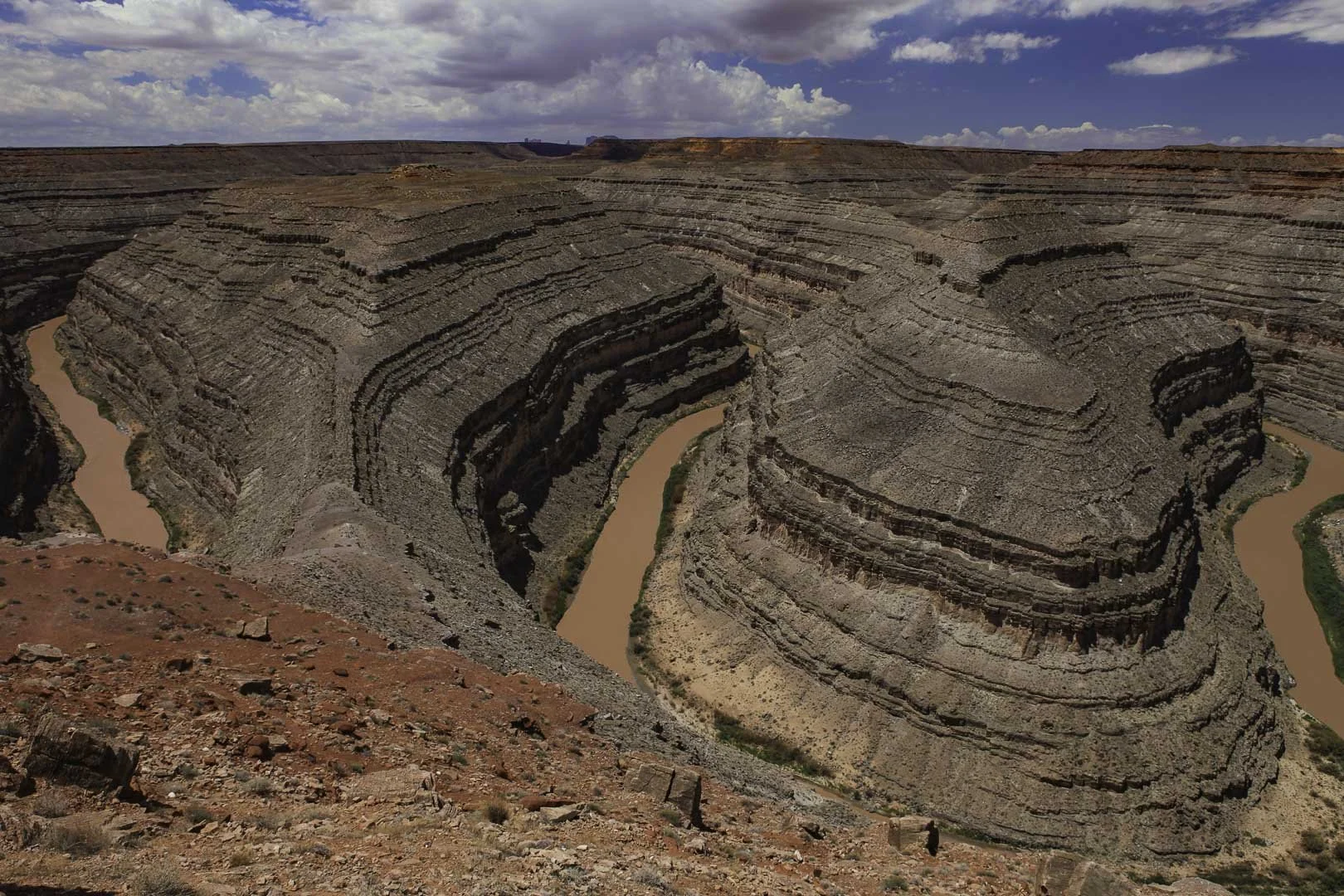
![Goosenecks State Park near Monument Valley with dramatic river bends carved into the canyon]()
Monument Valley Goosenecks State Park
-
![Dead tree in the foreground overlooking the vast landscape of the Grand Canyon]()
Grand Canyon
-
![Sunset over the Grand Canyon casting warm orange and purple hues across cliffs and valleys]()
Grand Canyon Sunset View
-
![Delicate Arch in Arches National Park framed against the desert landscape]()
Arches National Park - Delicate Arche
-
![Double Arch rock formation in Arches National Park with two massive sandstone arches]()
Arches National Park - Double Arch
-
![Balanced Rock formation in Arches National Park with massive boulder perched atop a narrow pedestal]()
Arches National Park - Balanced Rock
-
![Hoodoos and rock formations of Bryce Canyon National Park under a clear sky]()
Bryce Canyon
-
![Panoramic view of Bryce Canyon National Park with layered hoodoos, cliffs, and vibrant orange-red rocks]()
Bryce Canyon

See More of My USA Photography Work
Alaska → [link to album]
New York → [link to album]
USA Hub → [link to hub page]
See More, Connect, and Join My Journey
Explore my full galleries to see more of my work
Subscribe to my newsletter for photography tips and stories (coming soon)
Contact me for prints or photography services