From the Smallest Detail to the Night Sky
How decades of photography taught me that scale changes, but the act of looking remains the same.
Learning to look
I held my first camera before the age of ten. I could not have known then that photography would remain with me for decades, or that it would gradually change the way I move through the world.
At first, the attraction was simple: a camera could hold onto something that would otherwise disappear. A gesture, a reflection, an animal crossing a clearing, a particular quality of light. Over time, however, photography became less about keeping moments and more about learning to notice them.
The world became larger
Travel widened that field of attention. Landscapes taught me scale and patience; unfamiliar places taught me not to arrive with an image already decided. I became increasingly interested in the relationship between light, weather, material and time — in what a place reveals when I stop trying to make it perform for the camera.
Wildlife made that lesson even clearer. An animal does not exist for the photograph. The strongest encounters often come from keeping distance, watching behaviour and allowing the scene to unfold without interference. Presence became more important to me than spectacle.
Contact:
contact@josephBphotography.com
Then the world became smaller
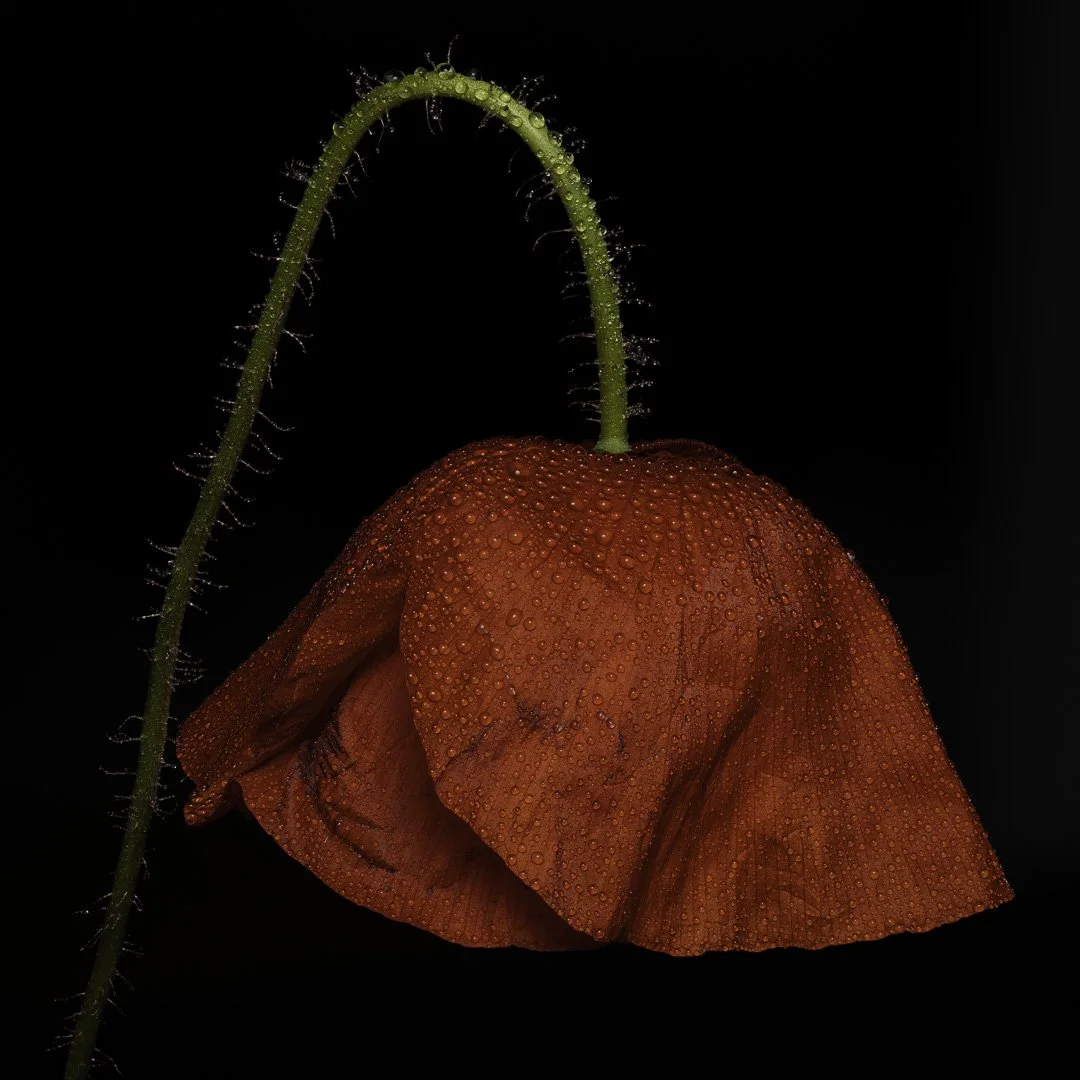
Macro photography reversed the scale without changing the underlying question. A few centimetres of petal, wing, shell or stem can contain as much visual complexity as a landscape. Working close taught me to pay attention to edges, repetition, translucence and the smallest shifts in light.
The distinction between a 'grand' subject and a 'small' one began to feel increasingly arbitrary. What matters is not size, but whether something makes me stop and look longer.
Matter, light and time
That way of seeing now connects much of my Fine Art work. In landscapes, I often move away from description towards texture, colour and natural geometry. In wildlife, I look for quiet presence and the relationship between an animal and its environment. In macro, I am drawn to structures that are usually passed without notice.
The three collections — Earth as Matter, Fragile Lives and The Invisible Life — are different in subject, but they come from the same instinct: to give attention to what is easily overlooked.
And then, the sky
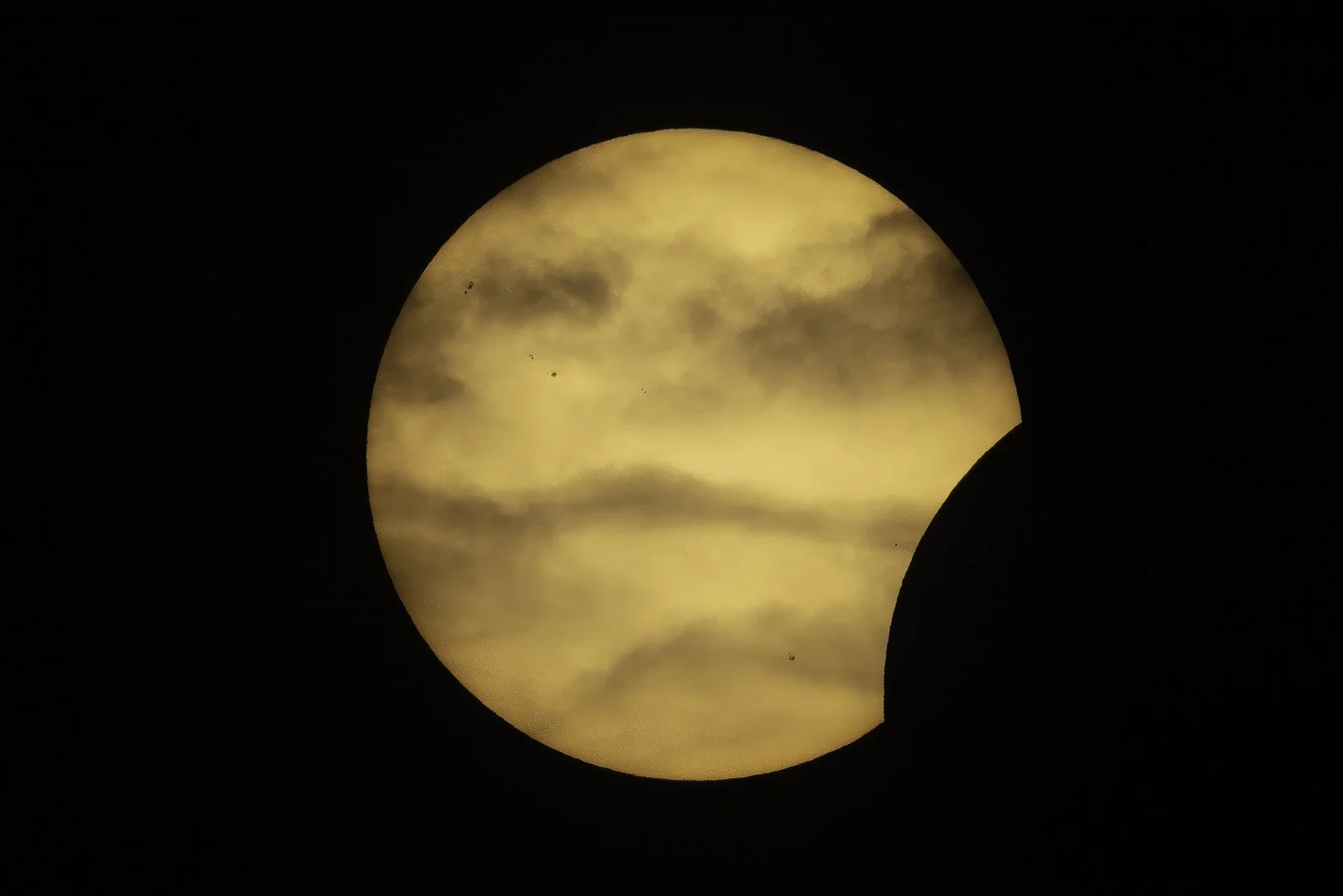
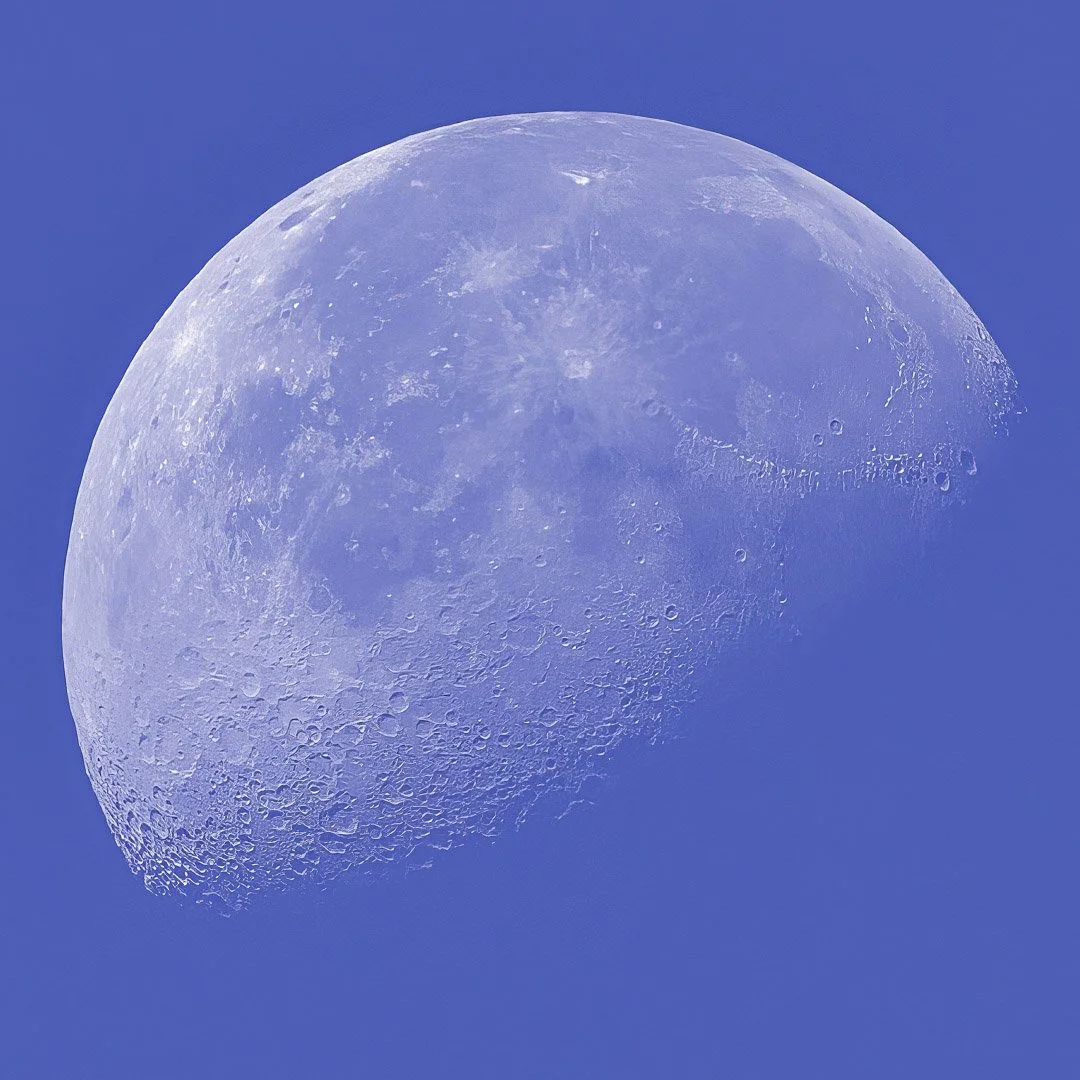
Astrophotography extended the same curiosity in the opposite direction. After concentrating on a subject only millimetres across, standing beneath the Milky Way or photographing an eclipse creates an extraordinary shift in scale. Yet the process remains familiar: prepare carefully, wait, observe light, accept uncertainty.
From the smallest detail to the night sky, photography keeps returning me to the same place: attention.
The scale changes. The reason I photograph does not.
After decades with a camera, I am less interested in collecting photographs than in making images that can hold attention beyond the instant in which they were made.
A photograph is not meant to be taken in at a glance. For me, its value begins when it asks us to remain with it — long enough to notice the life, matter or light it holds.
Explore the Fine Art Collections
Explore the Albums by theme - Wildlife, macro photography, landscapes, astrophotography and other visual explorations.
Explore the Albums by place - Photographic journeys across Europe, Asia, Africa, the Americas and Oceania.