My Approach to Wildlife Photography
Patience, Light & Respect
Wildlife photography is where instinct, patience, and light meet in the most unpredictable ways.
No scene ever repeats itself. No moment is guaranteed. But when everything aligns — the animal’s behavior, the light, the silence, your own presence — the result can feel like a small miracle.
For me, wildlife photography began long before I realized it. I grew up watching animals move through forests, fields, and coastlines, fascinated by the quiet stories happening all around us. But it wasn’t until I started traveling into wilder places — from the dunes of Rajasthan to the mountains of Alaska — that I discovered how powerful and emotional these encounters could be through the lens.
Wildlife photography is not only about capturing animals.
It is about understanding them, respecting their space, and learning to see the world the way they move through it.
Contact:
josephb.photography1@gmail.com
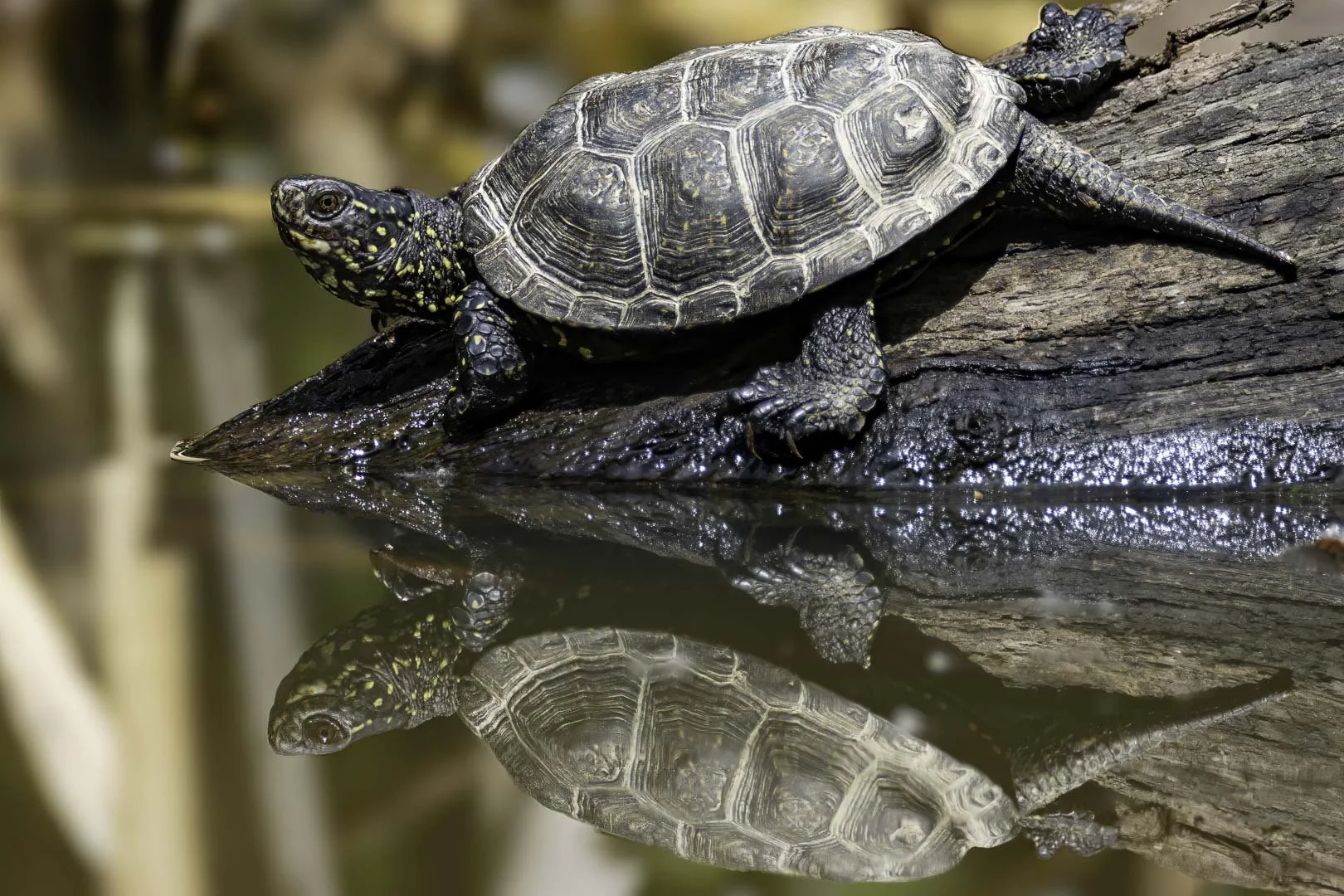
At a Glance: My Wildlife Photography Philosophy
Focus: mammals, birds, marine animals, reptiles & amphibians
Approach: respect first, patience second, technique third
Conditions I work with: sunrise light, harsh sun, long shadows, unpredictable behavior
What drives me: emotion, movement, natural behavior, and quiet storytelling
Goal of this post: share how I work, think, and feel in the natural world
Learning to Slow Down in the Wild
Wildlife photography teaches you to abandon speed.
In the wild, everything operates at its own pace — a deer stepping cautiously through morning fog, a bird adjusting its wings against the wind, or a fox pausing just long enough to decide whether to trust the silence in front of it.
You cannot rush these moments.
You cannot create them.
You wait.
You listen.
You blend in with the landscape until you feel almost invisible.
And when the animal finally steps into the light — not because you forced it, but because nature simply allowed the moment — that is where the real photograph lives. It is a brief alignment of chance, respect, and quiet presence.
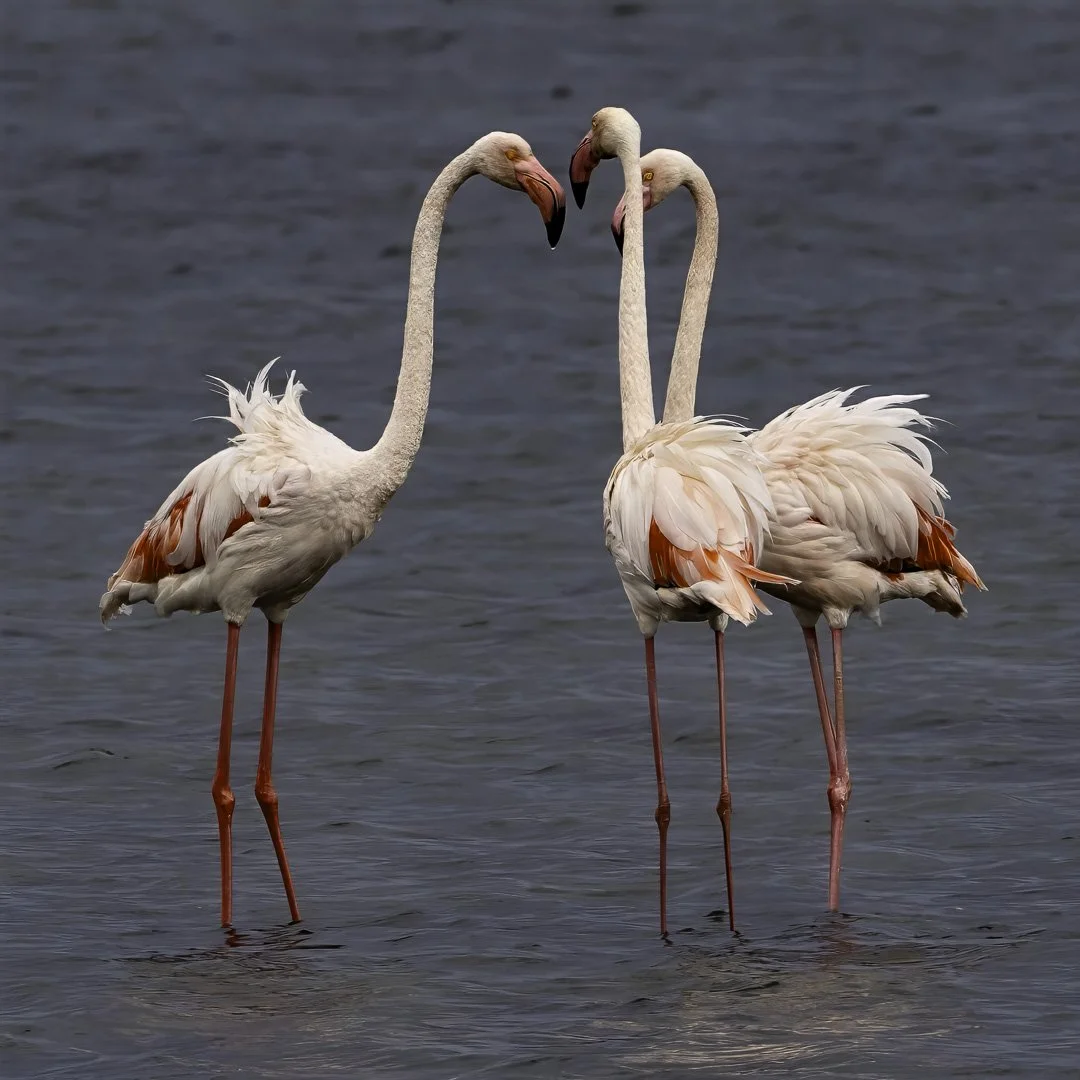
Light: The Silent Partner in Every Encounter
Light is everything in wildlife photography.
It shapes fur into gold, illuminates feathers like stained glass, and outlines silhouettes against distant horizons.
In the soft hours of early morning and late evening — the golden hours — the wild becomes a theatre of gentle shadows and warm highlights. This is where I find the most emotional and natural scenes.
But the wild rarely waits for perfect light.
Harsh sunlight, incoming storms, fog, or twilight often become part of the story. Some of my most memorable photographs were born in “imperfect” conditions — when I had no control over anything except the way I adapted.
Learning to use whatever light nature offers is part of the craft.
Often, the light you didn’t expect becomes the image you remember most.
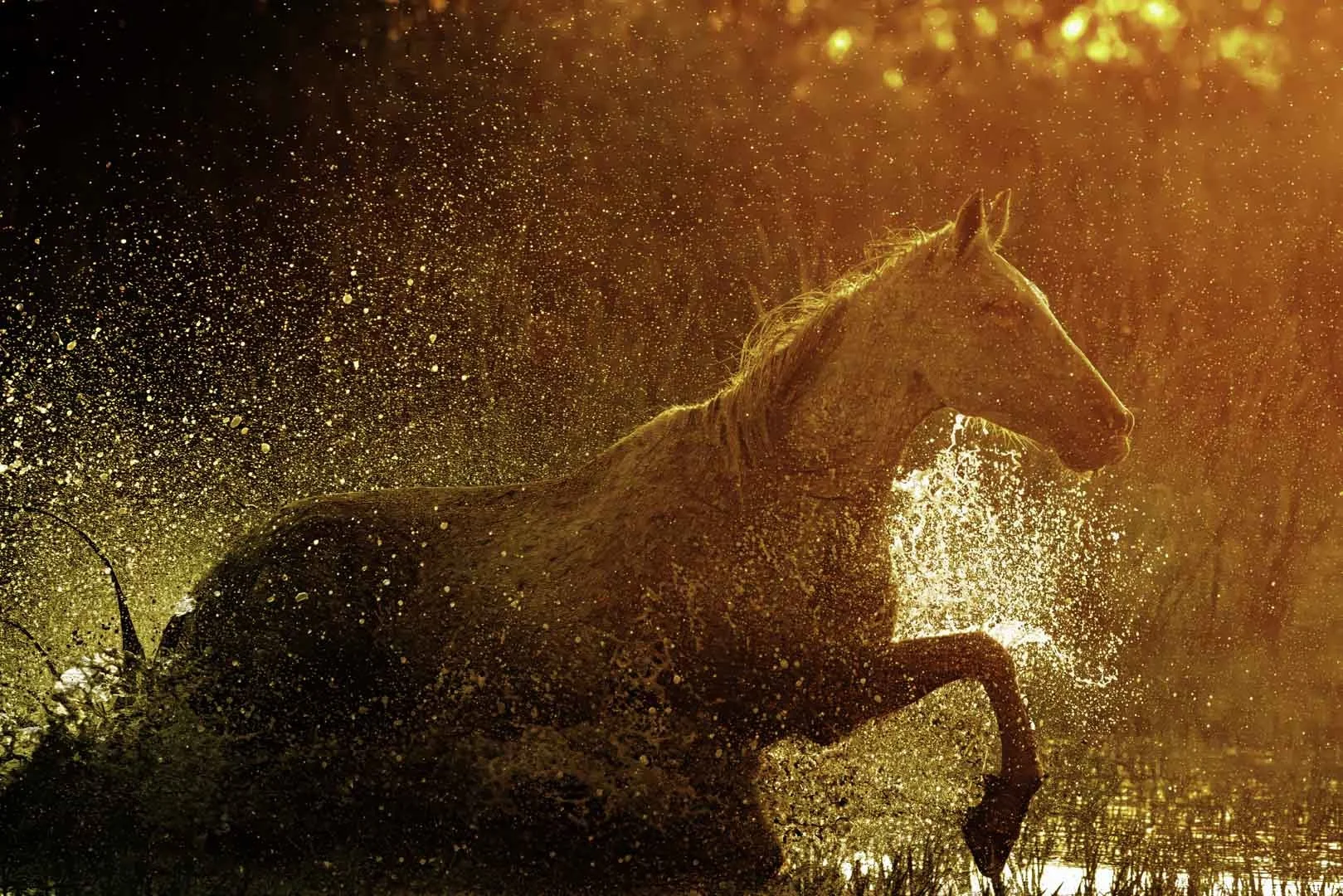
Understanding Behavior: The Heart of Wildlife Photography
Most wildlife photographs happen before the shutter is pressed.
They happen through watching, observing, and anticipating.
Behavior reveals everything:
a bird’s subtle shift before takeoff
a deer lowering its head moments before running
a seal lifting its nose to read the wind
a big cat pausing, listening to something we cannot hear
a reptile freezing, trusting camouflage to protect it
By studying these cues, you begin to understand when to wait, when to prepare, and when to stay absolutely still.
I always remind myself:
You are a guest here. Move like one.
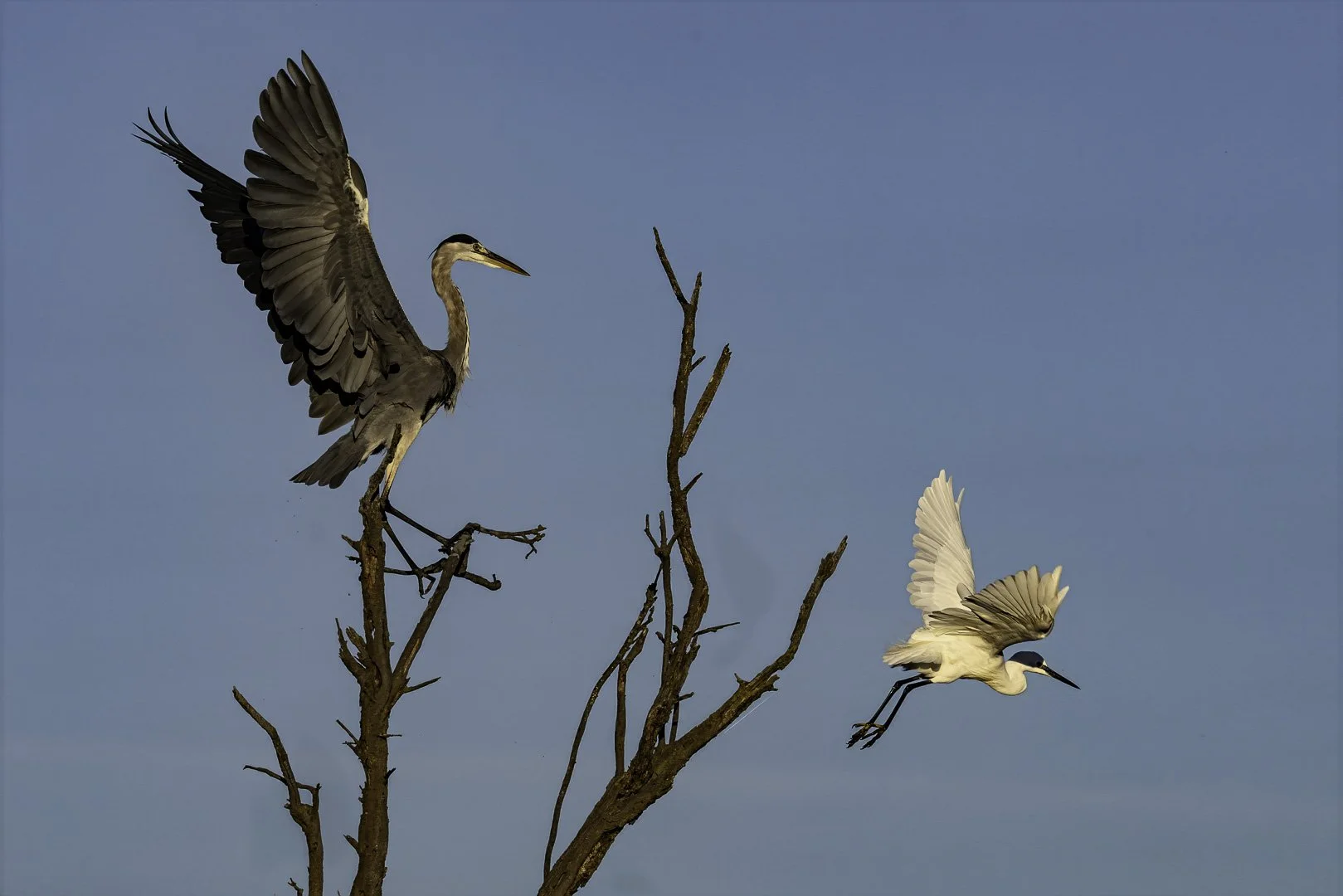
Respect First: The Ethics That Guide Me
Wildlife photography must never disturb the subject.
Respect is not optional — it is essential.
My guiding principles:
Distance: I never approach too close; the animal chooses the space.
Silence: No sudden movements, no loud voices, no chasing.
No baiting, no luring, no manipulation — ever.
Leave no trace: The environment should look untouched after I leave.
Observe more than intervene.
Authentic photographs come from real behavior, not staged encounters.
Wildlife already faces enough pressure from climate change, habitat loss, and human presence. Photography should never add to that burden.
Subjects That Continue to Inspire Me
Every animal group teaches something different, and each encounter brings its own rhythm.
Mammals
Powerful, emotional, sometimes shy.
From bears wandering riverbanks to deer dissolving into morning mist, mammals hold a presence that feels ancient and fragile.
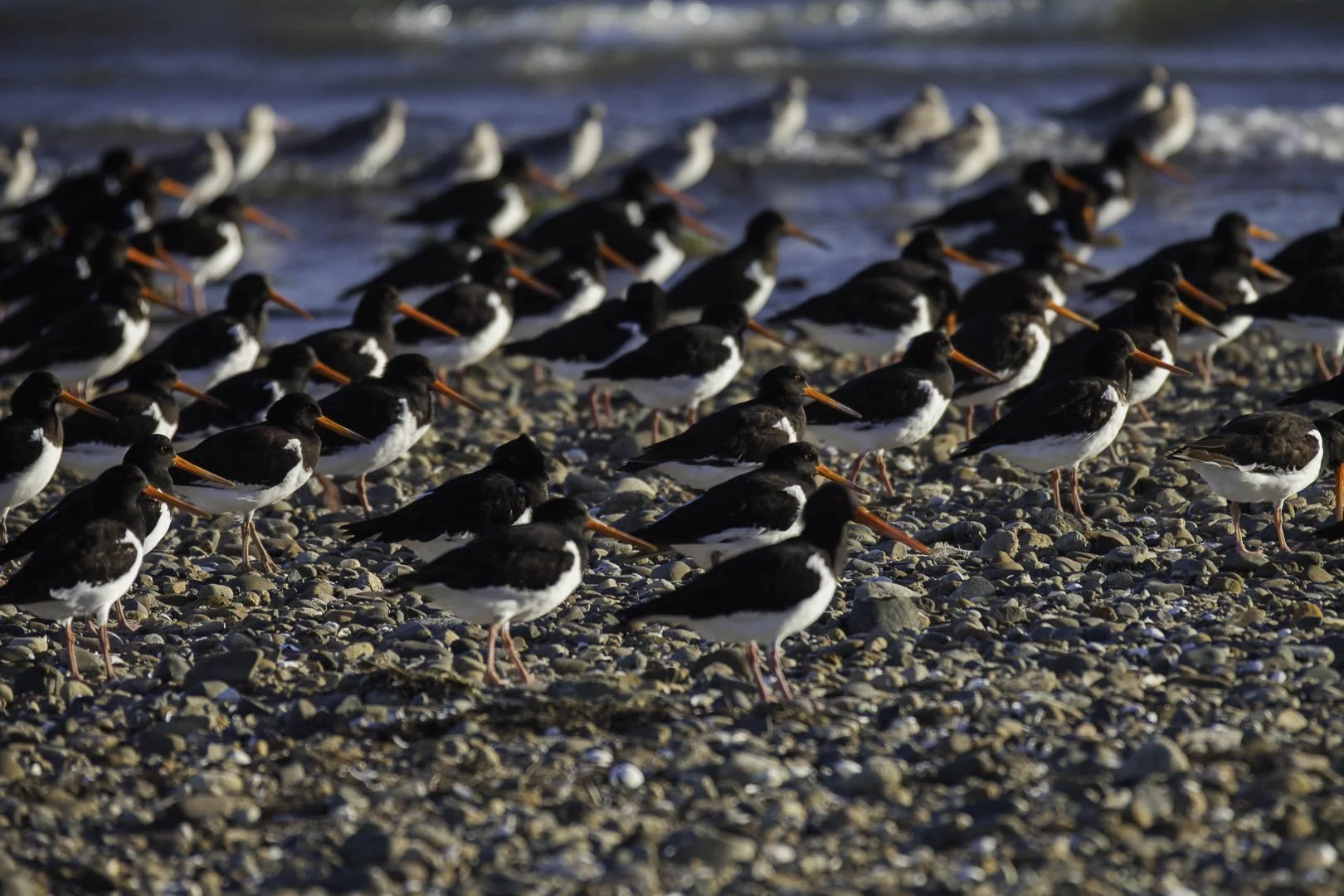
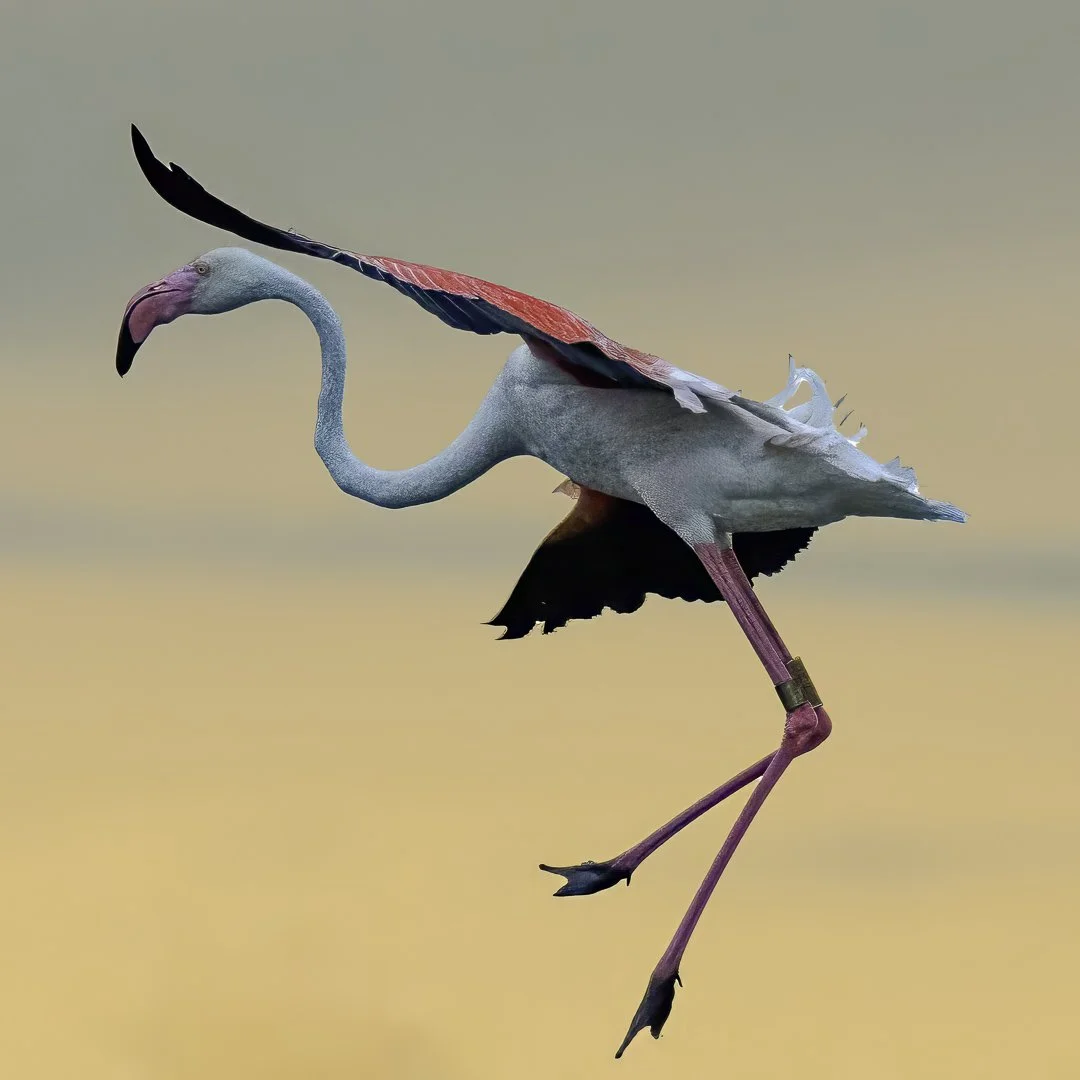
Birds
Movement, light, unpredictability.
Birds keep you alert, patient, and ready for moments that last only a heartbeat.
Reptiles & Amphibians
Masters of stillness and camouflage.
They invite you to slow down, scan carefully, and appreciate details often overlooked.
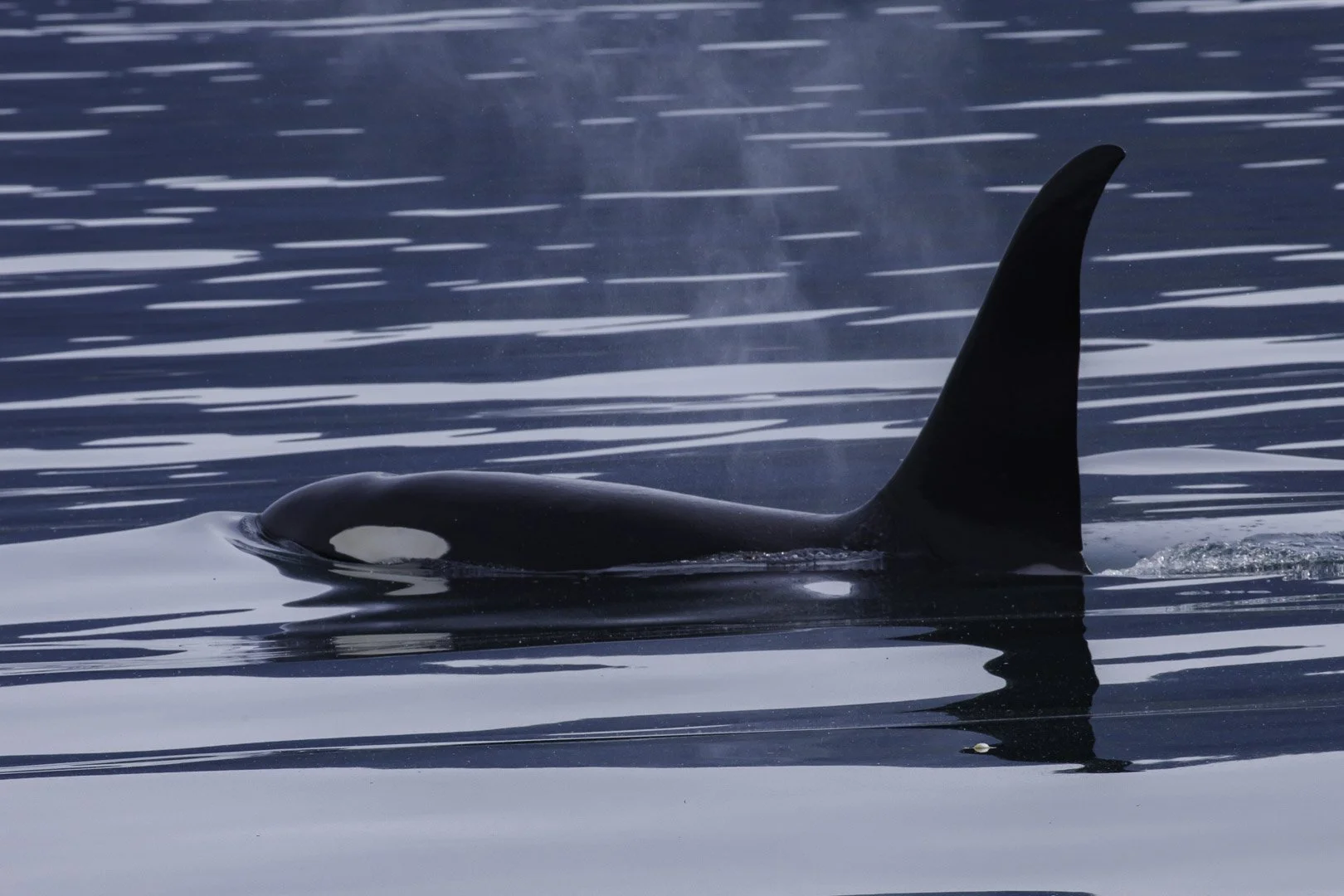
Marine Life
Seals, sea lions, whales — fluid, graceful, and elemental.
Each encounter feels like a conversation with another world.
Each group expands my understanding of the natural world, not just as a photographer but as a human being.
How Wildlife Photography Shapes the Rest of My Work
Even when I photograph landscapes, macro subjects, or night skies, wildlife remains one of my greatest teachers.
It taught me to:
wait for the right moment
trust natural light
observe fine details
move with respect in fragile environments
anticipate behavior — human or animal
This way of seeing follows me everywhere.
Wildlife photography is unpredictable by nature.
You can return to the same spot a dozen times and never witness the same moment twice.
And that is the beauty of it.
You’re always learning, adapting, and being humbled by the natural world.
For me, wildlife photography is not just a discipline — it’s a relationship with the wild.
-
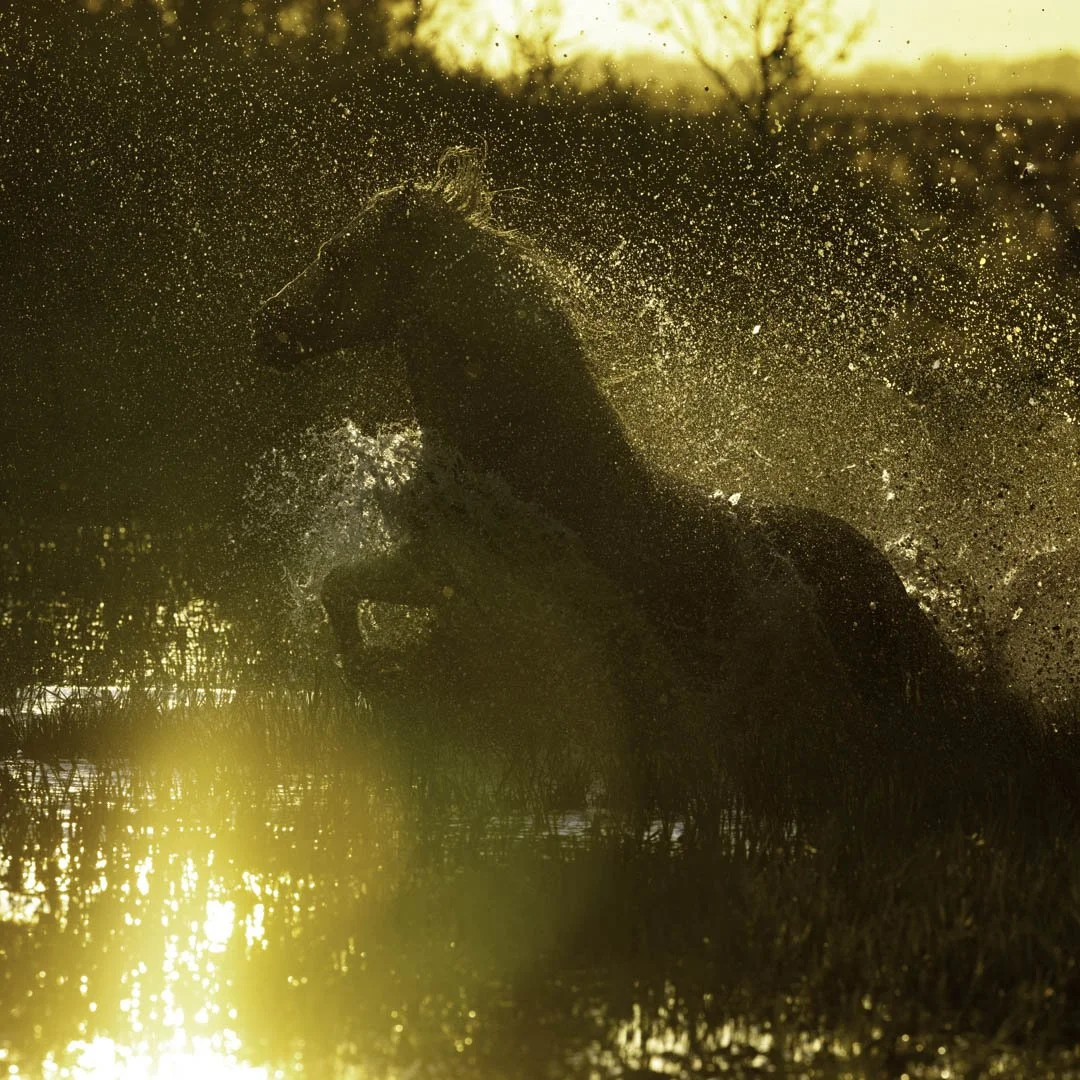
![Camargue white horse backlit by the sunset, its silhouette glowing warmly in the fading golden light.]()
White Camargue Horse in Action
-
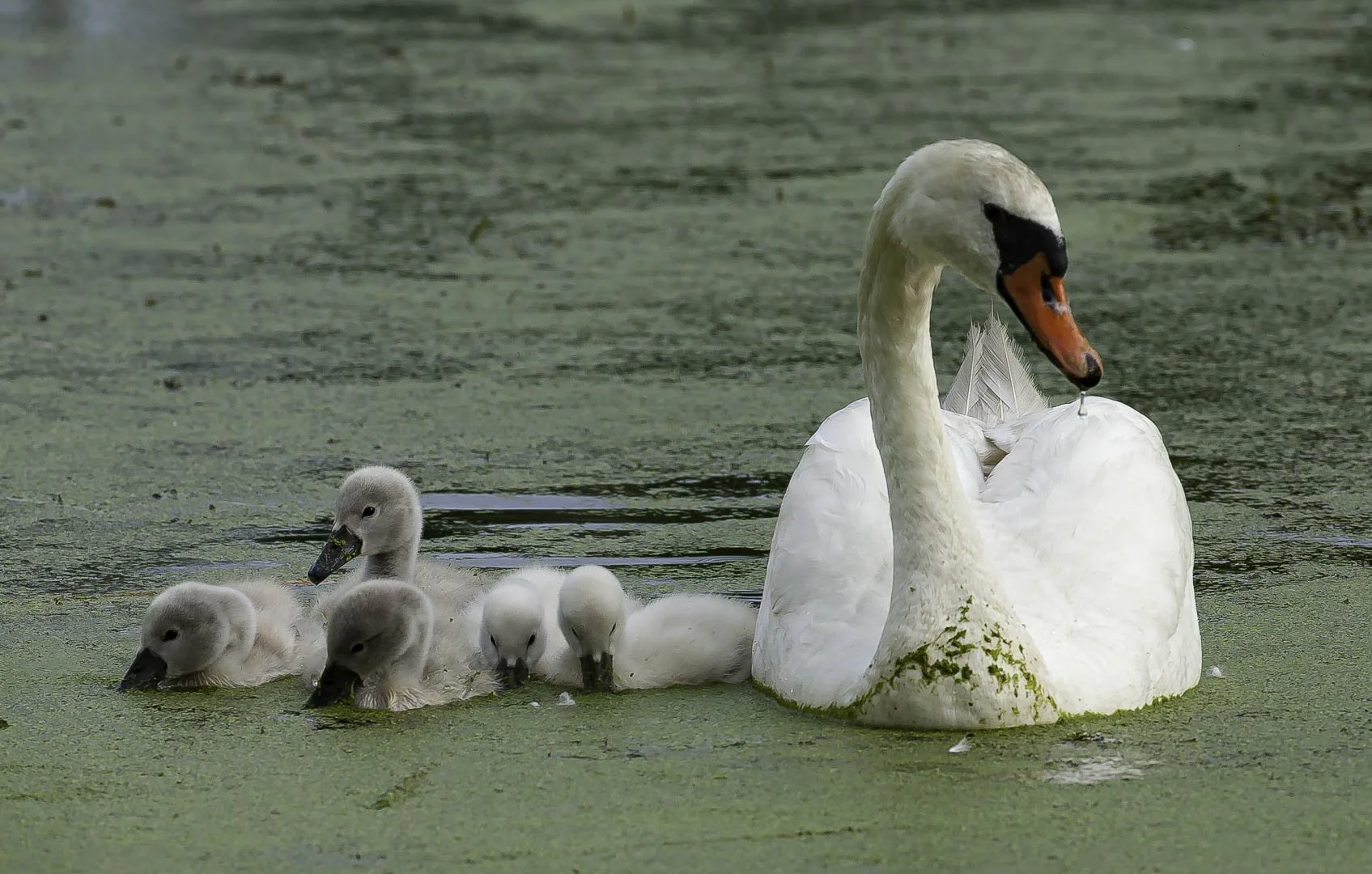
![A serene swan family gliding across a calm lake, reflections soft and peaceful in the gentle light.]()
Swan Family in Lake Discovery
-
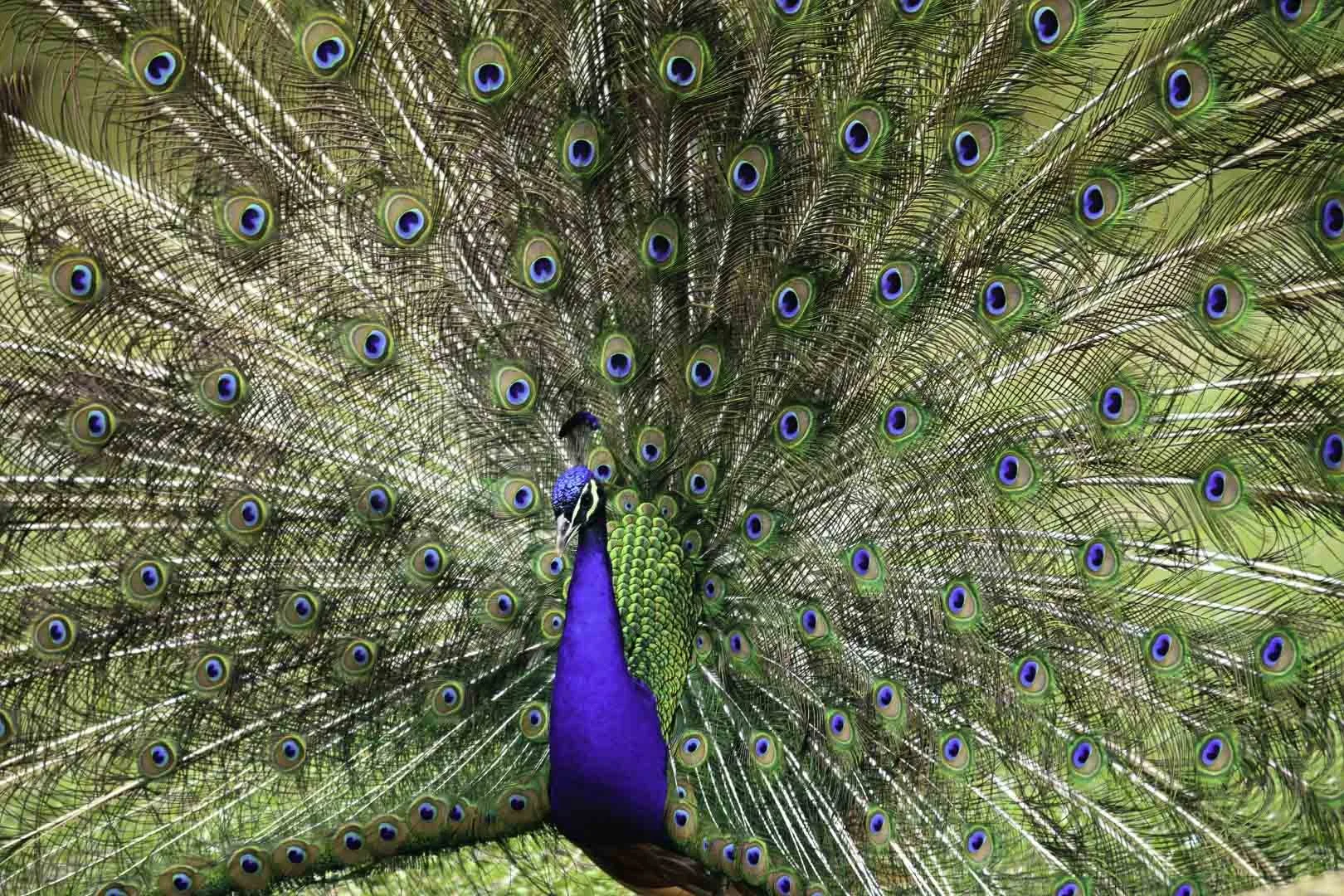
![Peacock displaying its full vibrant tail in a stunning full-frame portrait, rich with color and intricate patterns.]()
Peacock in Full Frame Demonstration
-
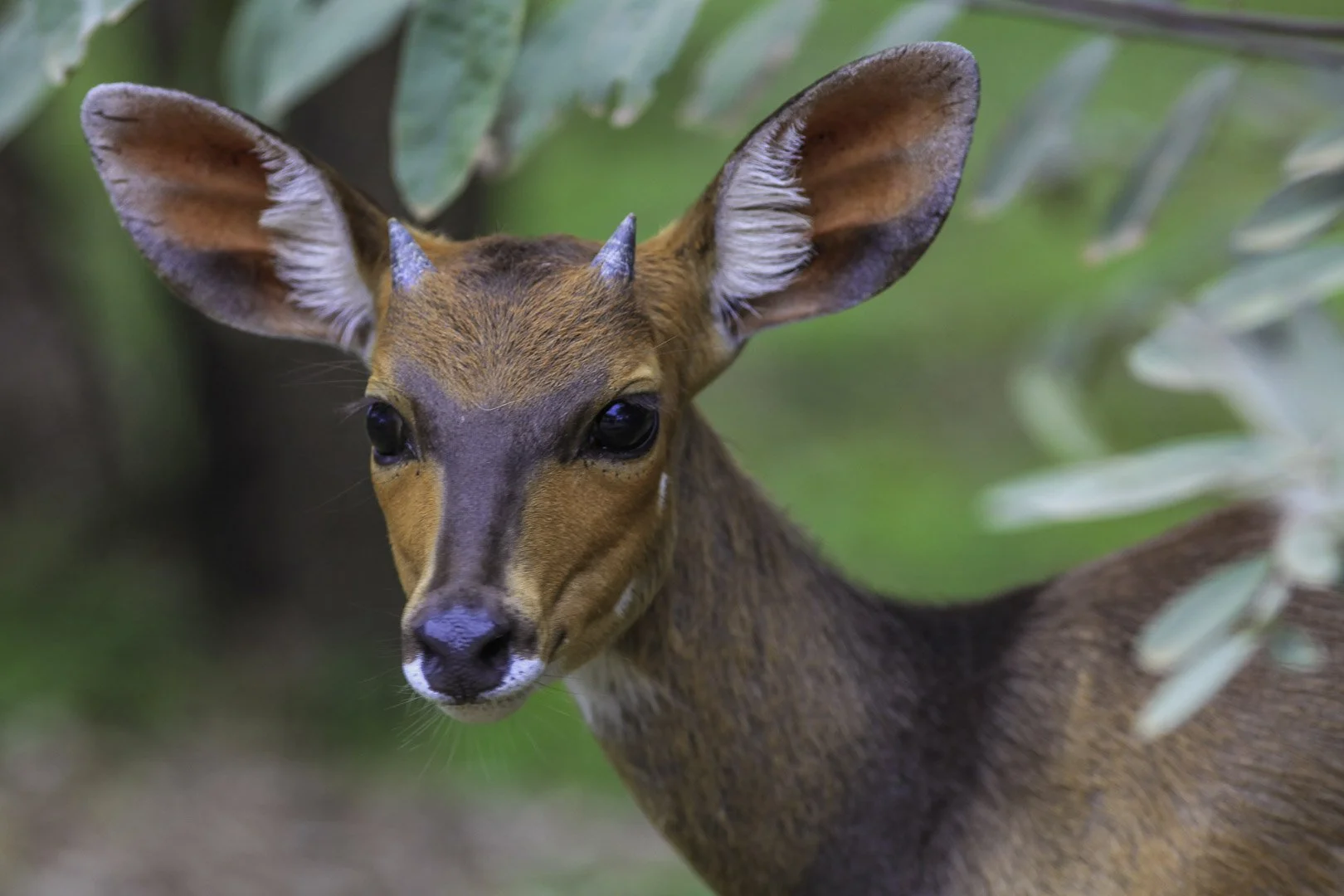
![Shy imbabala peeking through dense leaves, blending into the forest as it tries to remain unseen.]()
Imbabala Antelope in Shy Pose
-
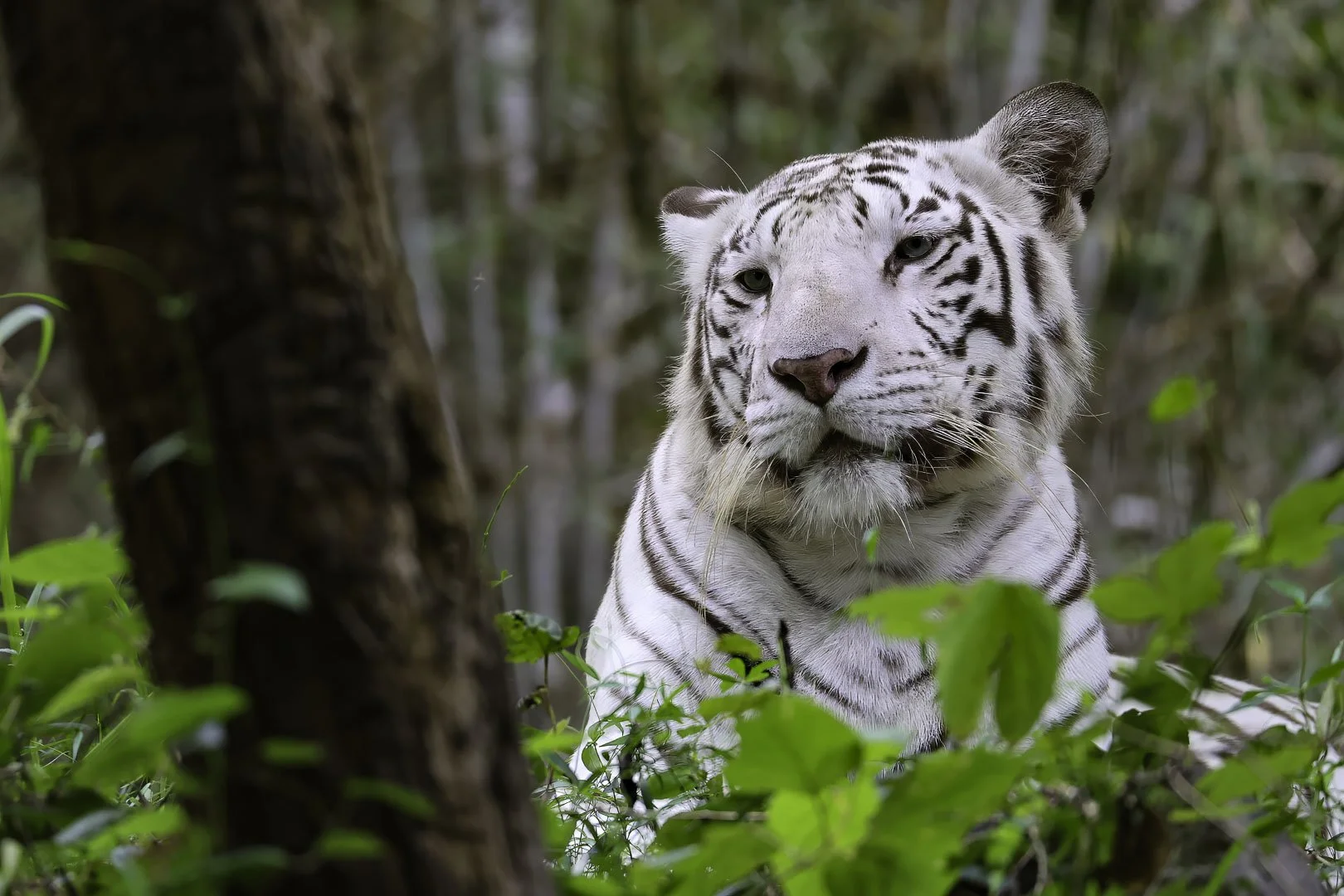
![Majestic white tiger resting thoughtfully, its intense gaze suggesting quiet anticipation of its next hunt.]()
Majestic White Tiger Seeking for Next Meal
See More of My Wildlife Work
Mammals of the Wild → [link to album]
Birds of the Wild → [link to album]
Reptiles & Amphibians → [link to album]
Marine Life → [link to album]
Wildlife Hub Page → [link to hub page]
See More, Connect, and Join My Journey
Explore my full galleries to see more of my work
Subscribe to my newsletter for photography tips and stories (coming soon)
Contact me for prints or photography services